...

2026 Top Wide Belt Sander Metal Sanding Machine?

Choosing a 2026 top machine requires more than comparing power ratings or polished product photos. A Wide Belt Sander Metal Sanding Machine must deliver stable results across different steel grades, thicknesses, and surface conditions. In a busy fabrication shop, consistency matters every hour. A scratched steel panel enters the machine, passes beneath the abrasive belt, and leaves with a more uniform finish. That visible change reflects many hidden factors, including belt tracking, feed accuracy, pressure control, and dust extraction.

This introduction outlines the main points for evaluating modern metal sanding equipment. It considers abrasive width, motor performance, conveyor stability, sanding precision, operator controls, and maintenance access. It also examines how manufacturers support real production needs through testing data, technical documentation, and responsive service. Practical experience matters here. A machine may look impressive, yet perform poorly when belts heat up or heavy panels shift during feeding. Real work is less tidy.

Safety and reliability remain essential. Emergency stops, guarded moving parts, suitable ventilation, and clear operating instructions should never be treated as optional features. Buyers should also verify compatibility with their materials and workshop layout. No single model fits every application. That deserves reflection. The best choice depends on production volume, required finish, available labor, and long-term operating costs. By weighing these details carefully, readers can compare leading 2026 options with greater confidence and avoid decisions based only on marketing language.
2026 Top Wide Belt Sander Metal Sanding Machine?

Wide Belt Sander Metal Sanding Machine: Definition and Core Functions

2026 Top Wide Belt Sander Metal Sanding Machine?

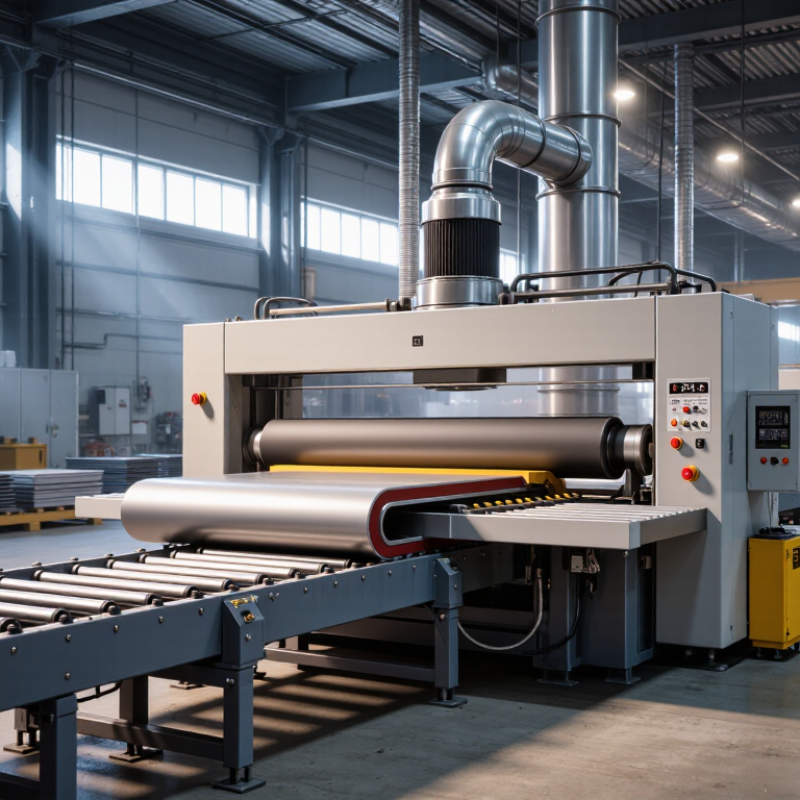
A wide belt sander metal sanding machine is an industrial finishing system. It uses a continuous abrasive belt to remove scale, burrs, oxidation, and uneven weld marks. A conveyor carries each sheet beneath a controlled sanding head. Adjustable pressure rollers maintain contact across the workpiece. The machine can also level minor thickness differences. Its core functions include surface preparation, deburring, edge softening, and finish consistency.

Modern systems often combine multiple sanding heads. Coarse belts remove heavy defects. Fine belts create a cleaner surface for coating or welding. According to Grand View Research’s metal finishing market report, the global market was valued at over USD 100 billion in the early 2020s. This growth reflects stricter quality expectations and expanding fabrication activity. The U.S. Department of Energy’s Industrial Decarbonization Roadmap also identifies efficient equipment and reduced rework as important industrial priorities. Less rework can mean lower energy use. The actual result depends on setup.

Tips: Match abrasive grit with the defect. Use a coarse belt for weld discoloration. Change pressure gradually. Excessive pressure creates heat, belt wear, and visible lines. Check the sheet with a straightedge and surface-lighting inspection. In practice, the first pass is rarely perfect. Operators still adjust speed by experience. That human judgment matters. A machine may remove material quickly, but it cannot understand every alloy, weld profile, or cosmetic requirement. Record belt speed, feed rate, and pressure for repeat jobs. Small records prevent large inconsistencies.


Key Features of Top Metal Sanding Machines in 2026

2026 Top Wide Belt Sander Metal Sanding Machine

Key Features of Top Metal Sanding Machines in 2026

The best wide belt sanders in 2026 combine stable pressure, precise speed control, and cleaner metal finishing. These features matter on every shift.

Variable belt speed helps operators match abrasive action to stainless steel, aluminum, or mild steel. A servo-controlled feed system keeps sheets moving evenly. It reduces visible lines and uneven edges.

Pressure control is essential.

Modern machines use sensors to adjust sanding force across changing material thicknesses. This protects delicate surfaces while maintaining steady stock removal. Automatic belt tracking also limits side wear and reduces unexpected downtime. Still, sensor accuracy depends on calibration. I would not trust an untested reading.

Dust and spark management deserve equal attention. Enclosed sanding zones, effective extraction, and monitored airflow help keep the work area cleaner. Some systems support controlled coolant application for heat-sensitive metal. Operators should inspect filters, guards, emergency stops, and belt condition before production begins.

Energy-saving motors can lower operating costs without weakening sanding performance. Touchscreen controls simplify setup, but clear manual controls remain valuable during faults. Remote diagnostics may identify wear early, though they cannot replace skilled inspection.

Practical testing is important.

A reliable machine should produce consistent surface roughness across repeated samples. Record belt life, feed speed, pressure, and power use. Small variations often reveal alignment problems before they damage expensive sheets. The “top” machine is not always the fastest. It is the one that performs safely, predictably, and economically in your actual workshop.

How Wide Belt Sanders Work in Metal Surface Processing

2026 Top Wide Belt Sander Metal Sanding Machine

How Wide Belt Sanders Work in Metal Surface Processing

A wide belt sander removes metal through a moving abrasive belt and controlled contact pressure. The workpiece travels on a conveyor beneath the sanding head. A contact roller applies steady force across the surface. A platen can then refine the finish with greater uniformity.

Operators select abrasive grit according to the metal and the required result. Coarse grit removes mill scale, oxidation, and rough weld marks. Finer grit creates a smoother surface for coating or fabrication. Feed speed and belt speed must match the material removal rate. Too much pressure can create heat, scratches, or uneven edges.

Metal thickness matters greatly. Thin sheet can flex under aggressive sanding. Support must remain stable. Dust extraction and machine guarding are essential, especially during dry processing. Some applications need coolant, while others depend on controlled air movement. In practical workshops, a single pass rarely delivers the best finish. Inspecting the surface between passes prevents unnecessary metal loss.

Small adjustments often matter more than maximum power. That is easy to overlook. An experienced operator checks belt wear, conveyor alignment, and surface temperature during production. I would not treat the first setting as perfect. Material behavior changes with alloy, weld condition, and abrasive life. Careful testing remains the more reliable path to consistent metal finishing.

Comparing Belt Width, Abrasives, Power, and Production Capacity

2026 Top Wide Belt Sander Metal Sanding Machine?

Choosing a metal wide belt sander starts with belt width, not motor size. A 600 mm belt suits smaller fabrications, while 1,000–1,300 mm widths support wider sheets and fewer passes. Grand View Research estimates the industrial abrasives market reached about USD 46 billion in 2023, with annual growth near 4% through 2030. That growth reflects rising demand for consistent surface preparation. Still, a wider belt is not automatically better. It may increase abrasive cost, dust load, and setup time.

Abrasive selection must match the metal. Ceramic grains cut aggressively on stainless steel, while zirconia often balances cutting speed and service life. Aluminum oxide remains practical for lighter finishing work. Motor power should support the chosen belt speed and stock removal rate. A 22–45 kW drive may suit heavy production, but excessive power cannot fix poor contact pressure or unstable feeding. Production capacity depends on belt width, feed speed, pass count, and removal depth. Measure finished parts per hour, not only motor output.

Tips: Record thickness before and after sanding. Check belt wear every shift. Use extraction airflow recommended by the machine maker. The U.S. Department of Energy notes that motor-driven systems can represent more than half of industrial electricity use, so idle running deserves attention. One point needs reflection: published capacity figures often assume ideal material, fresh abrasives, and skilled operators. Real workshops rarely maintain all three conditions.

Safety, Maintenance, and Buying Considerations for Metal Sanding Machines

A wide belt sander can remove scale, weld discoloration, and sharp edges from metal quickly. Its value depends on safe control, not sanding speed alone. Operators should wear eye protection, hearing protection, close-fitting clothing, and suitable respiratory protection when dust is produced. Keep hands away from the contact zone. Use guards and emergency stops every time.

Inspect the abrasive belt before each shift. Look for cracks, loose joints, uneven wear, or embedded metal particles. Keep it dry. Clean dust from the table, rollers, and ventilation paths with approved methods. Compressed air may spread hazardous particles, so it should not be used carelessly. Check belt tracking, roller alignment, fasteners, and electrical cables during scheduled maintenance. Record unusual vibration or noise, even when the machine still appears productive.

Buying decisions should match the metal, part size, finish requirement, and daily workload. A variable feed rate helps control heat on thin sheet metal. Adjustable pressure and reliable dust extraction improve consistency. Confirm the machine supports the required belt width and abrasive type. Ask about replacement parts, service access, training, and overload protection. A lower purchase price can become expensive when belts wear quickly or adjustments are difficult. I once underestimated setup time; production slowed because operators needed frequent tracking corrections. That mistake still influences how I compare machines. Test a sample part before purchasing. Measure surface finish, heat marks, noise, and operator effort. Perfect results are rarely immediate. Review the process honestly.

en_USEnglish

PCD Inserts

PCBN Inserts

Solid CBN Inserts

PCD Milling Cutter

PCD Drilling Tools

PCD Reamer

Diamond Special Tool

Diamond Dressers