2026 Top Wpc Floor Decking Trends Buyers Should Know?
As homeowners and designers seek durable and sustainable building materials, Wpc Floor Decking has gained significant popularity. This wood-plastic composite combines the aesthetic appeal of wood with the longevity of synthetic materials. In 2026, several emerging trends are shaping the WPC floor decking market, informing buyers on what to consider.
One notable trend is the rise of eco-friendly options. Many consumers prioritize sustainability, seeking products with recycled materials. Innovations in manufacturing are making this possible. Additionally, the design flexibility of WPC allows for a range of colors and textures, appealing to diverse tastes.
However, challenges remain. Quality can vary significantly among brands, leading to confusion for buyers. It's crucial to research and choose established manufacturers to ensure reliability. By understanding these trends and making informed decisions, buyers can enhance their spaces with WPC floor decking that meets both aesthetic and functional needs.
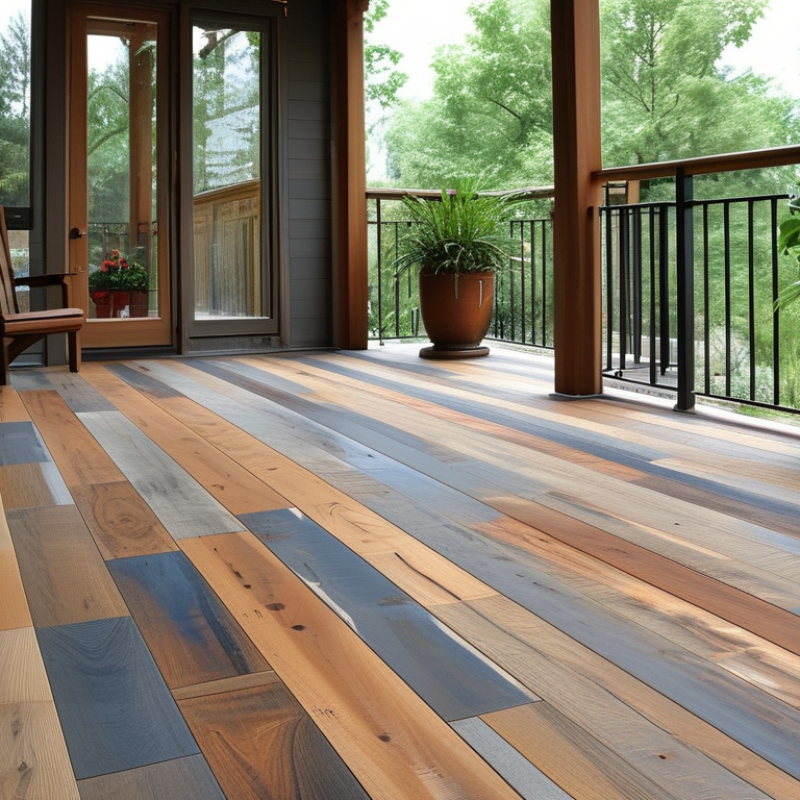
2026 WPC Floor Decking Market Overview and Growth Projections
The WPC flooring market is experiencing notable growth projections for 2026. According to a recent market analysis, the composite materials segment is projected to expand by over 12% annually. Factors contributing to this growth include increasing residential renovations and heightened consumer interest in sustainable materials. Cost-effective options and durability are key selling points.
WPC flooring is gaining traction due to its versatility in design and function. Data suggests that about 60% of consumers prefer wood-like aesthetics without the maintenance of natural wood. However, potential buyers should consider the environmental impact of manufacturing processes. While the material is touted as eco-friendly, some production methods raise concerns about emissions.
Attention to regional preferences is crucial. In North America, the preference for light-colored finishes is growing, while dark hues remain popular in Europe. This highlights the need for manufacturers to adapt their offerings to meet diverse tastes. Despite the promising outlook, ongoing challenges, such as fluctuating raw material costs, may influence pricing strategies.
Key Trends Influencing WPC Floor Decking Fabrication Techniques in 2026
As we approach 2026, understanding the key trends in WPC (Wood Plastic Composite) floor decking fabrication is essential. Advanced technology continues to shape how materials are produced. For instance, the rise of sustainable sourcing is influencing many manufacturers. They are increasingly using recycled materials in their production processes. This trend not only helps the environment but also meets consumer demand for eco-friendly products.
Another significant trend is the customization of WPC products. Buyers seek flooring that matches their unique aesthetics. Manufacturers are responding with versatile designs that cater to diverse tastes. This shift requires agile fabrication techniques. The integration of smart technology is also notable, enhancing product durability and performance. Some companies face challenges in keeping up with these innovations, and not all adapt successfully.
Quality control remains a critical aspect of WPC floor decking. Consistency is key in meeting customer expectations. Some manufacturers struggle with maintaining high standards across different batches. As the market grows, the necessity for rigorous testing and quality assurance will become even more pronounced. Refining these processes will be vital for businesses that aim to lead in this dynamic field.
Sustainable Materials in WPC Decking: Innovations and Market Demand
Sustainable materials are becoming crucial in WPC (Wood-Plastic Composite) decking. Homeowners and builders increasingly seek eco-friendly options. Recent innovations in this area are impressive. Many are turning to recycled materials as a base for WPC. This approach reduces waste and conserves natural resources.
The demand for sustainable WPC decking is growing significantly. People are more aware of environmental impacts and prefer greener options. Modern manufacturing techniques now incorporate plant-based additives. These not only enhance durability but also improve aesthetics. However, sustainability efforts are sometimes inconsistent. Some products may still contain harmful chemicals, so buyers must stay informed.
Many consumers are confused about what qualifies as truly sustainable. Clear labeling and transparency in supply chains are essential. The industry must prioritize education to build trust. As the market evolves, more precise standards will likely emerge. Keeping the focus on greener materials will benefit the environment and the decking industry as a whole.
2026 Top WPC Floor Decking Trends Buyers Should Know
| Trend | Description | Sustainability Factor | Market Demand |
| Recycled Materials | Increase in the use of recycled plastics in WPC decking. | High | Growing demand due to environmental concerns. |
| Biodegradable Options | Introduction of fully biodegradable composite materials. | Very High | Niche market growth expected. |
| Innovative Textures | Emerging trends in surface textures that mimic natural wood. | Moderate | Increased interest in aesthetics along with sustainability. |
| Low Maintenance Products | Development of WPC decking that requires minimal upkeep. | High | High demand from busy homeowners. |
| Color Stability Innovations | Advancements in color technology to prevent fading. | Moderate | Growing interest from consumers looking for long-lasting products. |
Consumer Preferences and Aesthetic Trends for WPC Flooring in 2026
As we look ahead to 2026, consumer preferences for WPC flooring are evolving. Homeowners are increasingly drawn to the natural look of wood without the maintenance woes. Textured finishes mimic the grain of real wood, offering depth and visual appeal. Colors are shifting too. Earthy tones like taupe and sage green are in vogue. These shades easily blend with various decor styles.
Sustainability also plays a vital role. Eco-conscious buyers seek materials that reduce environmental impact. They prefer floors made from recycled wood and plastic composites. However, there’s a learning curve in understanding maintenance needs. Some consumers find it hard to adapt to the specific cleaning methods required for WPC flooring.
Aesthetic trends indicate a rise in versatility. Consumers now favor a mix of styles—rustic, modern, and industrial. This fusion allows for personalized spaces. Yet, many still grapple with the right balance of textures and colors. Striking a perfect harmony can be challenging, but it’s essential for creating a cohesive home environment. Balancing personal taste with functionality will be key in making informed decisions.
Impact of Climate Regulations on WPC Decking Production in 2026
As climate regulations tighten, the landscape of WPC (Wood Plastic Composite) decking production is transforming. In 2026, manufacturers are anticipated to comply with stricter environmental standards. This may involve reducing carbon footprints and using sustainable materials. A recent report indicated that by 2025, over 70% of decking production will need to adopt eco-friendly practices. Adapting to these changes poses both challenges and opportunities for producers.
WPC decking’s popularity continues to grow, partly due to its durability and low maintenance. However, complying with new regulations may lead to higher production costs. This could, in turn, affect pricing for consumers. It’s crucial for buyers to stay informed about these trends. Understanding the implications of climate regulations can guide smart purchasing decisions.
Tip: Look for products with certifications that ensure compliance with sustainability standards. This can provide assurance of environmentally friendly options. As you explore different choices, consider how regulations may impact the long-term value of your investment. Keep an eye on manufacturers’ efforts towards sustainability. Not all brands will tackle these changes equally, so focus on those leading the way.
 Skip to content


 English
 Russian
  German
  Spanish
  French
  Portuguese