Alloy Steel vs Stainless Steel Tips for Global Buyers?
When considering materials for various applications, Alloy Steel and Stainless Steel stand out. Both have unique properties that cater to different industrial needs. Alloy Steel is often favored for its strength and hardness. It contains elements like nickel, chromium, and molybdenum. Meanwhile, Stainless Steel is known for its corrosion resistance. It usually comprises at least 10% chromium.
Understanding the differences is essential for global buyers. Choosing the wrong material can lead to increased costs and project delays. Factors like durability, fabrication processes, and environmental conditions play crucial roles in material selection. Additionally, buyers should weigh factors such as availability and pricing in their decision-making.
This comparison can seem daunting. However, informed decisions can lead to better outcomes. Both Alloy Steel and Stainless Steel offer benefits, but they serve distinct purposes. Understanding their properties helps in making the right choice.
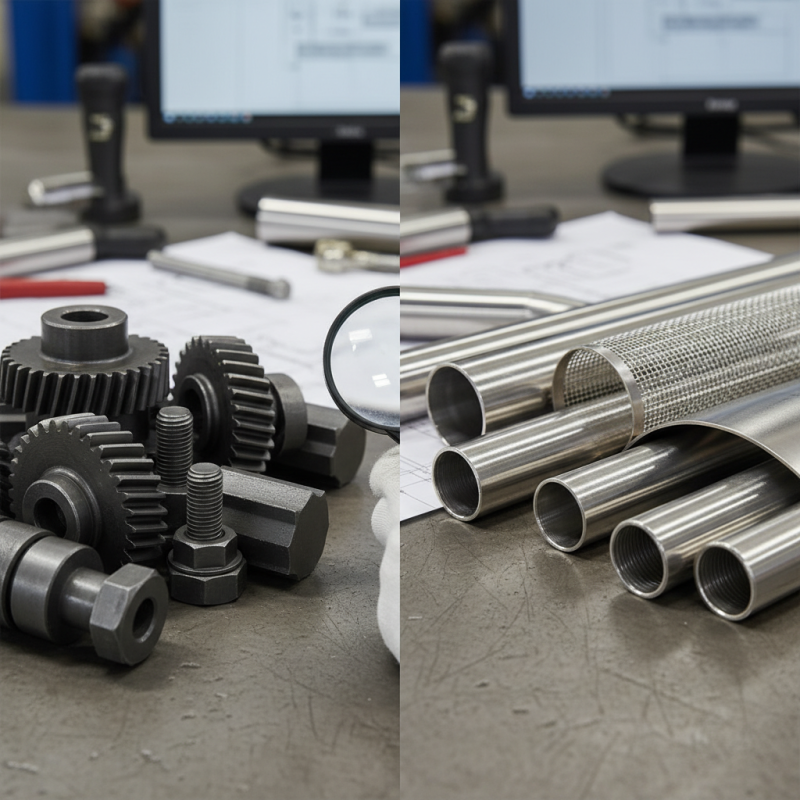
Alloy Steel: Overview and Key Characteristics for Global Buyers
Alloy steel is a versatile material known for its enhanced properties. It is created by adding different elements to carbon steel. This gives it improved strength, hardness, and wear resistance. For global buyers, understanding these characteristics is crucial when selecting materials for various applications.
When considering alloy steel, think about the specific elements included. Common additions include chromium, nickel, and molybdenum. Each element affects properties uniquely. For example, chromium enhances corrosion resistance, while nickel improves toughness. Researching these elements can lead to better purchasing decisions.
Tips: Always evaluate your project's requirements. Consider strength, ductility, and corrosion resistance. Don't hesitate to ask suppliers about material grades. Understanding these factors helps ensure that you choose the right type for your needs. Be aware that different suppliers may have varying quality levels, so do your due diligence. Quality can vary significantly, depending on where the steel comes from.
Stainless Steel: Properties and Applications Across Various Industries
Stainless steel is widely used in various industries due to its exceptional properties. It resists corrosion, high temperatures, and staining. According to a recent market report by Grand View Research, the global stainless steel market was valued at approximately $113 billion in 2020. This value is expected to grow, primarily driven by increasing demand in automotive and construction sectors.
In the automotive industry, stainless steel plays a vital role. It contributes to manufacturing exhaust systems and structural components. The need for lightweight and durable materials drives this demand. Additionally, the food processing sector relies heavily on stainless steel for equipment. Its non-reactive surface ensures food safety. However, not all stainless steel grades perform equally in extreme environments, prompting careful selection.
Beyond functionality, aesthetics matter in applications like architecture and design. Stainless steel offers a sleek, modern look. It is easy to clean and maintain, making it ideal for visible surfaces. However, fabricating stainless steel can be challenging. It requires specialized tools and techniques. Manufacturers must invest in quality control to minimize defects in their products. Balancing cost and quality remains a constant challenge for stakeholders in this sector.
Comparative Analysis: Alloy Steel vs Stainless Steel Performance Metrics
When comparing alloy steel and stainless steel, performance metrics play a crucial role in decision-making. Alloy steel is known for its high strength and wear resistance. According to industry reports, it outperforms stainless steel in tensile strength, often exceeding 1000 MPa. This makes it a favored choice for applications in construction and manufacturing. However, its corrosion resistance is inferior, making it less suitable for environments with high moisture or corrosive agents.
On the other hand, stainless steel shines in corrosion resistance, thanks to its chromium content, which can reach up to 30%. This feature allows stainless steel to maintain appearance and structural integrity over time. A recent study indicates that stainless steel can withstand over 1000 hours of exposure to salt spray, significantly more than alloy steel. Still, its lower tensile strength can be a drawback in high-stress applications.
In practical terms, buyers must weigh these attributes against their specific needs. High demand for corrosion-resistant materials in industries like aerospace and pharmaceuticals often leads to greater reliance on stainless steel. However, the additional cost can be a concern. Thorough analysis of application requirements and performance metrics is essential to make informed choices between alloy and stainless steel.
Alloy Steel vs Stainless Steel Performance Metrics
| Property | Alloy Steel | Stainless Steel |
| Corrosion Resistance | Moderate | High |
| Tensile Strength (MPa) | 600 - 1100 | 520 - 930 |
| Ductility (%) | 10 - 25 | 40 - 50 |
| Cost ($/kg) | 2.0 - 3.5 | 3.0 - 5.0 |
| Weldability | Good | Very Good |
| Applications | Construction, Machinery | Food Processing, Medical |
Market Trends: Global Demand and Supply Dynamics for Alloy and Stainless Steel
The global market for alloy and stainless steel is evolving due to shifting demand and supply dynamics. Recent industry reports indicate that the global stainless steel market is expected to reach about 50 million metric tons by 2025, driven by rising consumption in construction and automotive sectors. In contrast, the alloy steel segment shows resilience, with projected growth aligned with increasing infrastructure investments worldwide.
Factors influencing these dynamics include fluctuating raw material prices and trade policies. For example, nickel prices, a key component for stainless steel, experienced a 30% increase over the past year, impacting production costs. In regions like Asia-Pacific, demand continues to rise, but supply chain disruptions raise concerns. Studies highlight that regional disparities in steel production lead to varying price points and availability, making global sourcing complex.
Furthermore, sustainability concerns are reshaping buyer preferences. Many industries are shifting towards greener materials. This transition can create challenges, as some producers struggle to meet eco-friendly standards. Buyers must ensure that their suppliers adhere to sustainable practices. Data indicates that up to 40% of stainless steel production now incorporates recycled materials, reflecting this trend. However, not all alloys meet these criteria, complicating the decision-making process for buyers.
Cost Considerations: Pricing Factors for Alloy Steel and Stainless Steel Options
When considering alloy steel and stainless steel, pricing is key. Alloy steel usually costs less per ton compared to stainless steel. This price difference often stems from material composition. Alloy steel combines various metals, while stainless steel includes a higher percentage of chromium, which enhances rust resistance but raises costs. Global buyers should know these factors when budgeting.
Market demand is another variable. If demand for a specific type of steel surges, prices could spike. Regional availability can also impact costs. In areas where stainless steel is produced in abundance, buyers may find better prices. However, if materials need to be imported, transportation fees can inflate expenses.
Quality considerations also play a role in pricing. Lower-quality steel may be cheaper but can lead to higher long-term costs due to replacements or failures. It’s crucial for buyers to balance initial costs with the material’s performance. Reflecting on these elements will ensure effective purchasing decisions, minimizing risks associated with inadequate materials.
Alloy Steel vs Stainless Steel: Cost Considerations
This chart compares the average price per ton of Alloy Steel and Stainless Steel. As demonstrated, stainless steel typically costs twice as much as alloy steel due to its corrosion resistance and durability, which are key factors in material selection for various applications.
 Skip to content


 English
 Russian
  German
  Spanish
  French
  Portuguese