Top Benefits of Twin Shaft Mixer Concrete for Global Buyers?
In the realm of concrete production, the "Twin Shaft Mixer Concrete" stands out due to its efficiency and reliability. This innovative mixing technology offers significant advantages for global buyers seeking high-quality concrete solutions. Its robust design ensures a homogeneous mix, vital for various construction projects.
Twin Shaft Mixer Concrete is not only known for its strength but also for its versatility. It can accommodate different types of aggregates, fostering adaptability in various applications. However, there's a learning curve associated with operating these mixers effectively. Proper training is essential to unlocking their full potential and achieving optimal results.
Moreover, while the benefits are notable, understanding the maintenance requirements is critical. Regular upkeep ensures longevity and performance consistency. By embracing the Twin Shaft Mixer Concrete, buyers invest in quality, efficiency, and long-term value, shaping the future of concrete production worldwide.
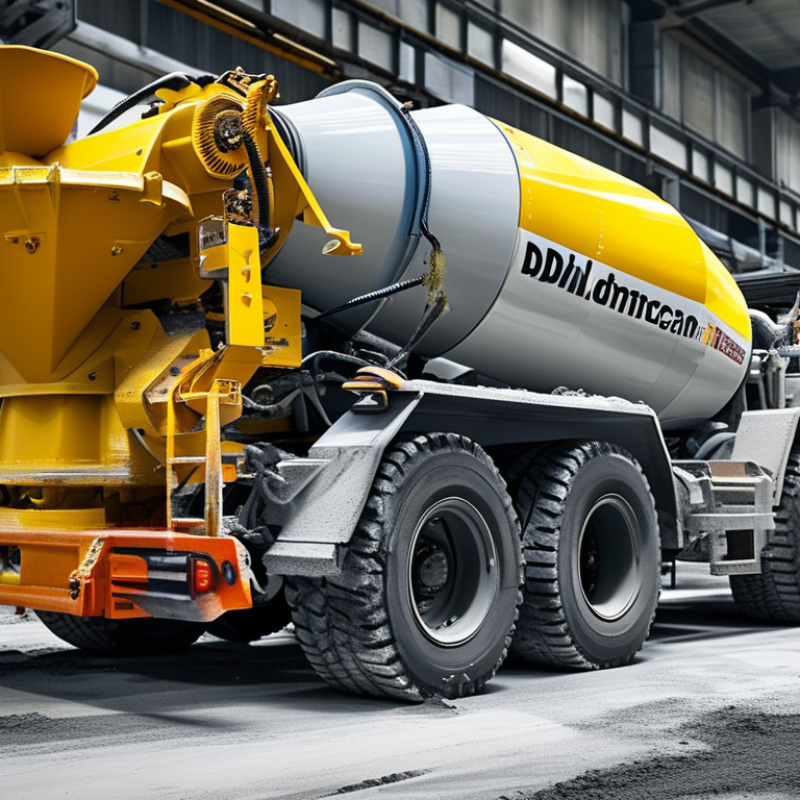
Overview of Twin Shaft Mixer Technology in Concrete Production
Twin shaft mixer technology plays a crucial role in concrete production. This system features two parallel shafts that rotate in opposite directions. The design ensures efficient mixing of materials, leading to uniform concrete consistency. For global buyers, this technology offers significant advantages.
One of the primary benefits is reduced mixing time. The efficient movement of the shafts allows for a rapid turnover of material. Mixing cycles can often be completed in fewer than 60 seconds. This speed can enhance productivity, allowing for more concrete to be produced in less time. Additionally, the consistent blend achieved minimizes the risk of variability in final products.
Another aspect to consider is the ease of maintenance. Twin shaft mixers are typically designed for durability. However, users often report wear and tear over time. Regular inspections are essential to prolong lifespan and performance. Buyers must consider the balance between efficiency and potential maintenance needs. A thorough understanding of these mixers will lead to better decision-making in the concrete production process.
Top Benefits of Twin Shaft Mixer Concrete for Global Buyers
| Benefit | Description | Impact on Production | Suitability |
| High Efficiency | Fast mixing and excellent homogeneity of concrete materials. | Increases output and reduces production time. | Ideal for large-scale projects requiring rapid production rates. |
| Consistent Quality | Provides uniform mixing results, ensuring high-quality concrete. | Minimizes variability, leading to higher customer satisfaction. | Suitable for quality-sensitive applications such as precast and ready-mix concrete. |
| Versatility | Can mix a wide range of materials including aggregates, additives, and recycled materials. | Enhances flexibility in production, adapting to various concrete mixes. | Great for both traditional and innovative concrete solutions. |
| Reduced Labor Costs | Automated mixing process reduces the need for manual labor. | Lowers operational costs and allows for reallocation of workforce. | Beneficial for companies looking to optimize their labor resources. |
| Durability | Sturdy construction designed to withstand heavy use in tough conditions. | Longer lifespan of equipment reduces replacement costs. | Ideal for high-capacity and industrial applications. |
Key Advantages of Using Twin Shaft Mixers for Global Buyers
The twin shaft mixer has become a crucial tool for global buyers in the construction industry. This technology is known for its superior mixing quality and efficiency. According to a report by Research and Markets, the global concrete mixing market is projected to grow at a compound annual growth rate of 5.6% from 2021 to 2028. This growth underscores the importance of reliable mixing solutions.
One significant advantage of twin shaft mixers is their ability to produce a homogenous mix quickly. The dual-shaft design ensures that materials are mixed thoroughly, reducing the risk of inconsistencies. A study by the American Concrete Institute found that the use of twin shaft mixers leads to a 30% increase in productivity compared to traditional mixers. This efficiency allows for faster project completion and can significantly reduce costs for global buyers.
While twin shaft mixers offer many benefits, they do have limitations. Maintenance can be more complex due to their design, which requires regular inspection and possible recalibration. Adopting a proactive maintenance schedule is essential to avoid downtime and ensure consistent performance. Ensuring an understanding of operational limits is key.
Incorporating twin shaft mixers into concrete production can be a game changer.Buyers should consider the long-term benefits of investment versus initial cost. They should also analyze their specific needs and project requirements before making a decision. This approach will lead to better outcomes and optimal use of resources.
Comparison of Twin Shaft Mixers with Other Concrete Mixing Technologies
Twin shaft mixers are gaining popularity among concrete manufacturers for their efficiency and reliability. Compared to traditional drum mixers, twin shaft mixers offer faster mixing times and superior homogeneity. The dual-shaft design allows for high consistency. This is essential in producing quality concrete.
When evaluating mixing technologies, consider the operational costs. Twin shaft mixers usually require less maintenance than other types. This translates to lower long-term expenses. However, buyers should gauge their specific production needs. It may not be the perfect fit for every project. Some applications may benefit more from batch mixers or continuous mixers.
Pay attention to the mixing action. Twin shaft mixers have a unique design that efficiently processes materials. They combine raw ingredients thoroughly, ensuring a uniform mixture. This is crucial in achieving desired strength and durability in concrete. Keep in mind that each technology has its pros and cons. Exploring all options before making a decision is essential.
Applications and Industries Benefiting from Twin Shaft Mixers
Twin shaft mixers are revolutionizing various industries. They are widely used in construction, manufacturing, and even environmental applications. These mixers excel in producing high-quality concrete, which is essential for durable structures. The construction industry alone grew its investment in concrete mixers by 7.5% in the last year. This growth showcases the demand for efficiency and reliability.
The ready-mix concrete sector significantly benefits from twin shaft mixers. These machines provide a uniform mix, crucial for ensuring consistency in concrete quality. Studies show that these mixers can reduce batch times by nearly 30%. This increased efficiency allows for faster project completion. As urbanization continues to rise globally, the need for robust and quick solutions is pressing.
Experimenting with different mixer configurations can produce varied results. Not every setup suits every project. It's important to test and reflect on the outcomes when using twin shaft mixers. Proper maintenance and operational training are vital to avoid potential failures. Regular checks can prolong the life of the equipment and enhance output quality.
With advancements in technology, twin shaft mixers are adapting. Industry reports indicate a shift towards eco-friendly materials. This evolution aligns with global sustainability goals. However, buyers should remain cautious about claims of versatility without understanding their specific needs.
Top Benefits of Twin Shaft Mixer Concrete for Global Buyers
This chart illustrates the key benefits of using Twin Shaft Mixers for concrete production, highlighting factors such as increased efficiency and improved mixture quality, which are essential for global buyers in various industries.
Considerations for Selecting the Right Twin Shaft Mixer for Your Needs
When selecting a twin shaft mixer, buyers should consider several key factors. The mixer’s capacity is crucial for meeting production demands. Many industry reports indicate a rising trend for larger mixers, with capacities ranging from 1 to 6 cubic meters per batch. This allows for efficient mixing of larger volumes of concrete, which is essential for large construction projects.
The mixing speed and efficiency can also affect production times. Some mixers feature advanced technologies allowing for faster mixing cycles. A study from the International Journal of Engineering Research highlighted that twin shaft mixers can reduce mixing time by up to 30% compared to older models. However, it's important to assess whether speed might compromise mixing quality.
Another consideration is maintenance. Reliable maintenance protocols are essential to keep the mixer operational. Many users report challenges with wear and tear on mixer blades. Regular inspections and part replacements can mitigate these issues, extending the lifespan of the equipment. Choose a mixer with accessible parts and service options to ensure ongoing support. Balancing capacity, speed, and maintenance needs will lead to better decisions for buyers in the concrete production sector.
 Skip to content


 English
 Russian
  German
  Spanish
  French
  Portuguese