...

Which Electric Crucible Melting Furnace Is Best in 2026?

Choosing the best Electric Crucible Melting Furnace in 2026 is not simply a search for the highest temperature or largest capacity. The right choice depends on the metal, batch size, heating schedule, and available electrical supply. A small workshop melting occasional aluminum has different needs from a production floor running repeated brass or bronze batches. The details matter. A furnace that looks efficient on a specification sheet may not suit a crowded work area or a demanding daily schedule.

This guide compares practical factors buyers can verify: crucible capacity, rated power, temperature control, insulation, loading access, and maintenance requirements. It also considers operating costs and the availability of replacement crucibles and technical support. Ask manufacturers for current specifications, clear operating limits, and guidance suited to your materials. Check that quoted capacity reflects usable metal volume, not just the crucible’s stated size. A few extra minutes spent checking those details can prevent an expensive mismatch.

There is no universal winner. A compact model may serve a careful operator better than a larger furnace with features the shop never uses. And a low purchase price does not always mean lower ownership costs. This comparison aims to make trade-offs visible, not to pretend every buyer has the same priorities. Some judgments will still depend on real operating conditions, which product descriptions cannot fully capture. Use the recommendations as a shortlist, then confirm performance and service details directly with the supplier.
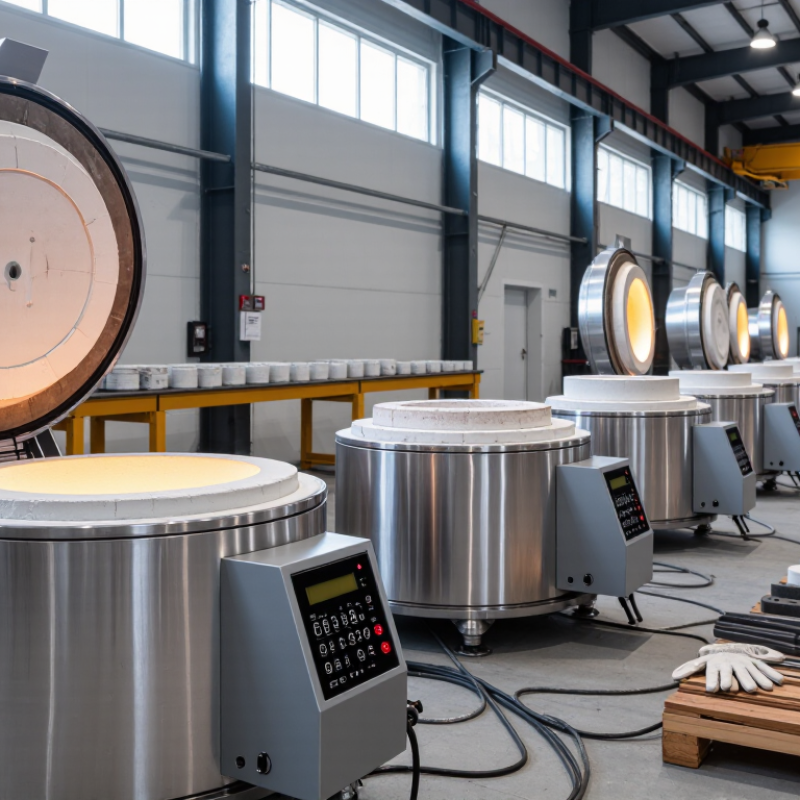
Which Electric Crucible Melting Furnace Is Best in 2026?

What Is an Electric Crucible Melting Furnace?

An electric crucible melting furnace uses electrical energy to heat a crucible and melt metal inside it. Depending on the design, resistance elements heat the crucible from outside, or an induction coil heats the metal through electromagnetic energy. The crucible holds the charge and must tolerate both high temperatures and the chosen metal. The setup varies.

Operators monitor temperature, heating time, and the condition of the crucible. A small furnace may melt a few kilograms for testing, while larger units serve regular production. The right capacity depends on batch size, alloy, and how often the furnace runs. Pouring temperature matters, too; overheating can increase oxidation or damage the crucible. Details matter.

In 2026, “best” should mean a furnace that suits the actual workflow, not simply one with the highest rated temperature. Check temperature control, power supply requirements, insulation, service access, and compatibility with the intended crucible material. A foundry technician can compare these details against real melt records. Those records are more useful than a brochure alone. Even careful estimates can miss heat loss from a drafty workspace or repeated lid opening, so leave room for practical adjustment.


How Electric Crucible Furnaces Differ by Design and Capacity

Electric crucible furnaces differ in how they heat, hold, and pour metal. Resistance models use elements around a crucible, making them practical for controlled, steady batch work. Induction designs heat the metal through an electromagnetic field and may suit faster melting, but require compatible equipment and operating procedures. That matters.

The furnace layout also affects daily use. A fixed, top-loading unit can work well for small batches, while a tilting design helps pour metal into molds without lifting a hot crucible by hand. Check the lid opening, pouring height, and space around the furnace, not just its footprint. A cramped work area changes handling.

Capacity needs careful interpretation. A stated kilogram rating may assume a particular metal, while usable capacity varies with density, crucible shape, and safe fill level. Match the rating to your actual alloy and batch size. Also compare melt time, power supply, temperature controls, and insulation. A neat spec sheet can still mislead. In practice, logging real melt times and checking temperature readings during routine batches gives a better basis for choosing than nominal capacity alone.

Which Materials and Applications Suit Each Furnace Type?

Resistance-heated crucible furnaces suit aluminum, zinc, and other nonferrous alloys with moderate melting temperatures. They provide steady heat and are useful for holding metal between pours. For aluminum, a covered crucible and careful skimming help limit oxidation and dross. The USGS Mineral Commodity Summaries 2025 estimates global primary aluminum production at about 72 million tonnes in 2024, reflecting the scale of aluminum use across transport and construction. That figure does not, by itself, determine furnace choice; batch size and production rhythm matter too.

Induction crucible furnaces fit copper, brass, and bronze when rapid melting and a uniform bath are priorities. Electromagnetic stirring can help distribute alloying additions, but it does not replace sampling and temperature checks. Steel and iron also require suitable refractory linings, crucibles, and sufficient power. The U.S. Department of Energy’s Improving Process Heating System Performance: A Sourcebook for Industry describes induction as a rapid, direct heating method. Still, performance depends on the metal, crucible, and operating setup.

For small precious-metal batches, induction units offer responsive temperature control; resistance units may suit simpler, steady melting duties. Not always. A furnace that works well for clean aluminum may disappoint with a different alloy or frequent changeovers. Check the alloy’s melting range, crucible compatibility, batch mass, and required holding time before selecting a type. These practical details often matter more than a headline efficiency claim.

How to Compare Furnace Performance, Safety, and Operating Costs

Which electric crucible melting furnace is best in 2026 depends on the metal, batch size, and production schedule. Compare usable capacity, temperature control, and repeatable melt times—not just the maximum temperature in a brochure. A furnace that reaches its target quickly may still struggle with frequent, uneven batches. Check the specifications against your actual materials and workflow.

Run comparable trials where possible. Record the starting charge, melt time, energy use, and final temperature. Keep notes on ambient conditions, too; small differences can skew results. Look for clear temperature displays, secure lids, sound insulation, and controls that prevent operation when access panels are open. Operators should have suitable protective equipment and dry, dedicated tools near the work area. Details matter.

Operating costs extend beyond the electricity bill. Track kilowatt-hours per melt, crucible replacement intervals, maintenance time, and downtime. Ask how routine service is performed and whether common wear parts are easy to inspect. Compare results across several production cycles, not one ideal run. The data may be messy. That is worth admitting: a short test cannot predict every shift, and lower energy use may come with slower throughput. Keep the measurement method consistent, then weigh safety and reliability alongside cost.

Which Electric Crucible Melting Furnace Is Best in 2026? - How to Compare Furnace Performance, Safety, and Operating Costs

There is no single best furnace for every operation. The right choice depends on the metal, batch size, melt schedule, required temperature control, available electrical service, and local energy costs. The comparisons below are general; confirm operating limits and performance with the furnace manufacturer and a qualified engineer.

Furnace configuration Best suited to Performance and control Energy and operating costs Safety considerations Main trade-offs
Resistance-heated crucible furnace Small to medium batch melting and holding, particularly where straightforward operation and a relatively even furnace chamber are priorities. Electric elements heat the chamber and crucible. Temperature can be controlled with a thermocouple and controller; actual melt uniformity depends on furnace design, loading, and operating practice. Costs depend on electricity use, heat-up frequency, insulation, lid-opening time, and holding duration. Avoiding long idle holds and using suitable insulation can reduce energy use. No combustion at the point of use, but hot surfaces, electrical hazards, molten-metal splash, crucible failure, and moisture-related metal ejection remain serious risks. Often simple to operate, but heat-up and recovery can be slower than some induction systems. Elements and crucibles require inspection and replacement.
Induction crucible furnace Frequent melting, faster batch turnover, and applications that benefit from electromagnetic stirring; commonly used for conductive metals within the system’s design limits. An alternating magnetic field induces heating in the metal. Melting rate and stirring depend on power, frequency, charge, and furnace design. A compatible crucible and correctly designed power system are essential. Assess electricity consumed per kilogram of acceptable metal, including power-supply losses, cooling, and holding. Short, well-planned melt cycles can help; frequent starts, low utilization, and extended holding can reduce cost advantages. Requires electrical safeguards, cooling-system monitoring where applicable, and controls for electromagnetic-field exposure. Standard molten-metal precautions still apply, including dry charge and tools. Higher equipment and electrical-infrastructure requirements may be justified by throughput. Performance depends strongly on metal, charge geometry, and operating schedule.
Tilting electric crucible furnace Operations that need controlled pouring into molds or ladles and want to reduce manual handling of a hot crucible. May use resistance or induction heating. Pour control depends on the tilt mechanism, operator training, furnace layout, and the receiving vessel. Operating cost follows the heating method and production schedule. Include tilt-system inspection, maintenance, and any energy used by auxiliary equipment in a full comparison. Requires a clear pour zone, guarding or interlocks as appropriate, stable receiving equipment, and procedures for spill response. Tilting does not remove the risk of splashing or spills. Can improve pouring ergonomics, but adds mechanical components and maintenance needs. Confirm that the tilting range and discharge arrangement suit the process.
Electric holding crucible furnace Keeping already-molten metal at a controlled temperature near a casting or forming operation. Designed primarily for temperature maintenance rather than rapid melting. Holding performance depends on insulation, lid design, temperature control, and metal withdrawal rate. Compare energy per hour of holding and metal temperature stability. Long holding times, exposed surfaces, and repeated lid opening can increase energy use and metal losses. The metal remains a persistent heat and splash hazard. Provide suitable access control, temperature monitoring, ventilation, and safe procedures for skimming or withdrawal. Well suited to steady production but may be inefficient when used for sporadic batches or as a substitute for a furnace designed for rapid melting.

Practical comparison checklist

Measure How to compare
Throughput Compare usable metal melted per hour under the same metal, starting temperature, batch size, and target temperature—not just the furnace’s rated capacity.
Energy cost per accepted kilogram Use: electricity consumed during melting and holding × local electricity tariff ÷ kilograms of acceptable metal produced. Include auxiliary loads and metal losses where measurable.
Temperature performance Check heat-up time, temperature stability, measurement location, and repeatability using the same operating procedure. Confirm that instruments suit the metal and temperature range.
Safety and compliance Review electrical protection, guarding, emergency stops, ventilation, spill containment, crucible handling, dry-charge procedures, training, and applicable local codes and standards.
Lifecycle cost Compare purchase and installation costs, electrical upgrades, energy, crucibles, heating elements or power-system maintenance, downtime, and expected service life using quotations for the same duty cycle.

Selection guide: A resistance-heated unit may suit straightforward, intermittent batch work; an induction unit may suit operations that value faster turnover and electromagnetic stirring; a tilting design may suit controlled pouring; and a holding furnace may suit steady downstream demand. Verify these fits against the actual metal, production schedule, electrical supply, and site-specific risk assessment.

How to Choose the Best Electric Crucible Furnace for Your Needs in 2026

Choosing an electric crucible furnace starts with the metal and the batch size. Start with the metal. Aluminum, copper, and precious-metal alloys require different working temperatures and crucible compatibility. Measure the batch. A furnace sized far above your usual load may waste energy, while an undersized unit can slow production. Check the rated capacity against your real daily workload, not an occasional peak.

Temperature control matters as much as maximum temperature. Look for stable readings, adjustable ramp rates, and controls that suit your operators’ experience. A practical test is to compare the set temperature with a measured melt during a representative run. Ask how the furnace handles heat loss when its lid opens. Also inspect the crucible support, lid fit, insulation, and access for routine cleaning. Small details matter. They affect daily use.

Power supply and installation can narrow the choice quickly. Confirm available voltage, phase, ventilation needs, and floor-space requirements before comparing models. Review safety features such as over-temperature protection and clear operating indicators. Service access is worth checking, too; a hard-to-reach element can turn a minor repair into lost production time. There is no perfect specification sheet. Real operating conditions vary, and the best choice may involve a compromise between purchase cost, heating speed, and energy use. A short test with your actual material can reveal issues that brochures miss.

en_USEnglish

PCD Inserts

PCBN Inserts

Solid CBN Inserts

PCD Milling Cutter

PCD Drilling Tools

PCD Reamer

Diamond Special Tool

Diamond Dressers