Best Glass Lamination Machine for Your Business Needs?
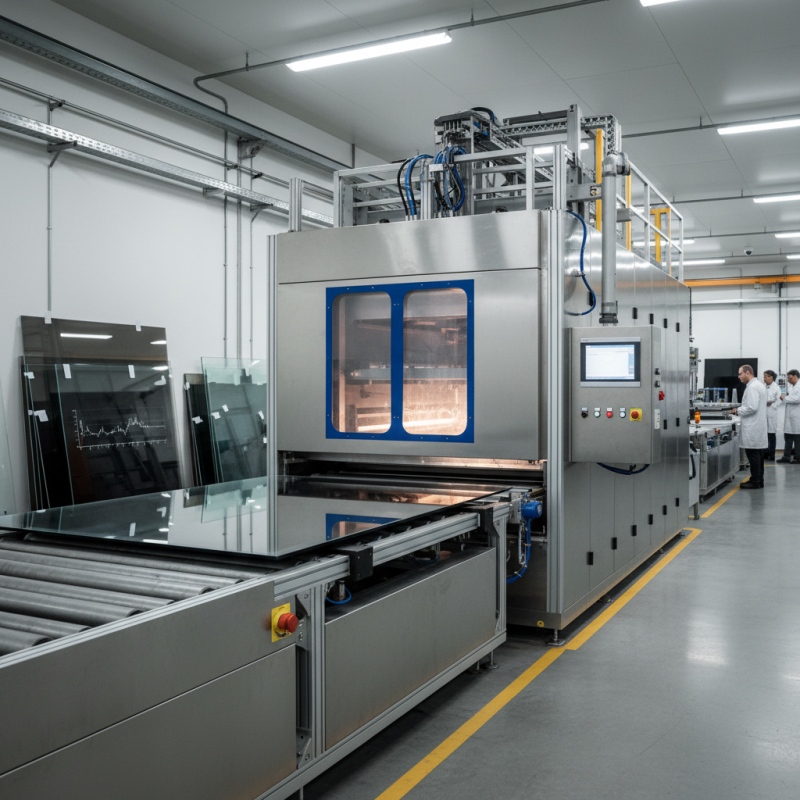
In the glass manufacturing world, the right equipment makes a huge difference. A Glass Lamination Machine plays a crucial role in ensuring product safety and durability. The bonding process enhances strength, minimizing the risk of shattering.
Choosing the best glass lamination machine can feel overwhelming. There are numerous options available, each with unique features and capabilities. It's essential to evaluate your specific business needs, production volume, and material types when making a choice.
Some machines may not fit all requirements perfectly. Cost is often a barrier, and performance may lag in specific areas. You might find that a more affordable option lacks critical features essential for your operation. Therefore, careful consideration is necessary before investing in a glass lamination machine. Balancing quality and affordability is vital for long-term success.
Understanding Glass Lamination: Importance in Business Applications
Glass lamination plays a crucial role in various business applications. This process enhances safety and durability. A significant report by Smithers indicates that the demand for laminated glass is expected to grow by 6.5% annually until 2026. This growth is fueled by increased construction and automotive sectors' needs. Laminated glass absorbs shocks and reduces noise pollution. These features are vital for commercial buildings and vehicles.
In the manufacturing landscape, effective glass lamination can differentiate a business. Quality laminated glass can lead to fewer product returns. A study highlighted that businesses that adopted enhanced lamination techniques reduced defects by over 15%. However, achieving optimal results isn't always straightforward. Inconsistent temperature control can impact lamination quality. Therefore, investing in reliable machinery becomes essential.
Despite the advantages, some businesses overlook lamination’s impact. They might prioritize cost over quality. But lower quality glass can lead to higher overall expenses. In contrast, investing in reliable lamination helps ensure safety and customer satisfaction. Companies need to balance immediate savings with long-term benefits. This thoughtful approach can lead to significant improvements in both product quality and brand reputation.
Key Features to Consider in a Glass Lamination Machine
When choosing a glass lamination machine, some key features are critical. Speed and efficiency play vital roles in production. According to industry reports, machines that operate at a speed of 6-12 meters per minute increase output significantly. This is crucial for businesses looking to scale operations. Adjusting temperature controls also ensures optimal bonding. The typical range is between 120°C to 160°C, depending on the materials used.
Another essential feature is vacuum capability. A good machine should maintain a vacuum level of at least 60 kPa. This level is necessary to eliminate air pockets, ensuring a clear finish. Additionally, ease of use affects productivity. Machines with intuitive interfaces can reduce training time for operators. Manual controls can lead to inconsistencies. Companies often overlook the maintenance requirements of these machines. Regular checks are vital to maintain performance and longevity.
Capacity varies significantly among machines. Some can handle sheets up to 3m x 2m, while others cater to smaller needs. Businesses need to assess their unique size requirements. Output consistency is also imperative; discrepancies in thickness can lead to defects. Quality assurance practices should be in place. This often involves calibrating machines to ensure they meet specified tolerances. Investing in these features can greatly aid efficiency and profitability.
Top Brands and Models of Glass Lamination Machines in the Market
When selecting a glass lamination machine, it's crucial to consider your specific business needs. The market offers various brands and models, each with distinct features and capabilities. Look for machines that can handle different glass types and thicknesses. Some options might excel in speed, while others focus on achieving a higher quality finish. Understand your priorities and choose wisely.
Take note of the user interface and ease of operation. Some machines might seem impressive but can be challenging for operators. User-friendly controls are essential for efficiency. Regular training of staff is also necessary to maximize performance. Evaluate the customer support available; this can make a significant difference when issues arise.
Additionally, maintenance requirements vary across models. Some machines might need constant attention, while others may be relatively low-maintenance. Analyze the lifetime costs, not just the initial price. Remember, investing in quality machines pays off in the long run. However, it’s essential to reflect on whether the technology truly fits your business or if it adds unnecessary complexity.
Best Glass Lamination Machines - Performance Comparison
This chart compares the lamination speed of various glass lamination machine models, indicating their efficiency for business needs. The models listed exhibit different performance levels, essential for selecting the right machine for your operations.
Cost Analysis: Budgeting for a Glass Lamination Machine Purchase
When considering a glass lamination machine, cost is a crucial factor. Industry reports indicate that the average price for these machines ranges from $10,000 to $50,000. This price can vary based on the machine's capabilities and features. Many businesses overlook the total cost of ownership. Maintenance, energy use, and raw materials add to the overall expense.
Budgeting effectively is essential. Businesses should conduct a thorough analysis of their financial situation before purchasing. Consider hidden costs. Some machines require extra tools or training. Additionally, factor in annual service contracts, which can add up.
Tips: Research financing options. Leasing could lower upfront costs while keeping cash flow steady. Also, compare several options. Look for features aligned with your production needs. Not all machines will suit every business. Assessing your specific requirements can prevent costly mistakes down the line. Focus on what you really need. Each business is unique; there is no one-size-fits-all solution.
Best Glass Lamination Machine for Your Business Needs? - Cost Analysis: Budgeting for a Glass Lamination Machine Purchase
| Machine Type | Max Sheet Size (mm) | Lamination Speed (m/min) | Power Consumption (kW) | Price Range (USD) |
| Entry-Level | 3000 x 2100 | 5 | 15 | $5,000 - $10,000 |
| Mid-Range | 5000 x 3000 | 10 | 20 | $10,000 - $25,000 |
| High-End | 6000 x 4000 | 15 | 30 | $25,000 - $50,000 |
| Industry-Specific | 7000 x 5000 | 20 | 40 | $50,000 - $100,000 |
Maintenance Tips for Longevity of Glass Lamination Equipment
When operating glass lamination equipment, regular maintenance is key to its longevity. Proper care can prevent costly repairs down the road. First, keep the machine clean. Dust and debris can affect performance. Use a soft cloth to wipe down surfaces frequently. Lubricate moving parts as needed to ensure smooth operation.
Check for wear and tear. Examine seals and gaskets regularly for any signs of damage. Replace any worn components quickly to avoid operational failures. This helps maintain high-quality output. Additionally, follow the manufacturer's guidelines for service intervals. Neglecting this could lead to unexpected breakdowns.
Train staff on proper handling. Improper use can lead to errors and potential damage. Have a checklist ready for routine checks. Encourage feedback from operators about machine performance. This reflection helps identify issues that may not be immediately visible. Neglecting these details could impact overall productivity.
 Skip to content


 English
 Russian
  German
  Spanish
  French
  Portuguese