Best Restroom Stall Walls Materials and Designs for Privacy?
Restroom Stall Walls play a crucial role in maintaining privacy in public restrooms. The choice of materials and design significantly impacts users’ comfort. A well-designed restroom stall can create an atmosphere that feels safe and welcoming.
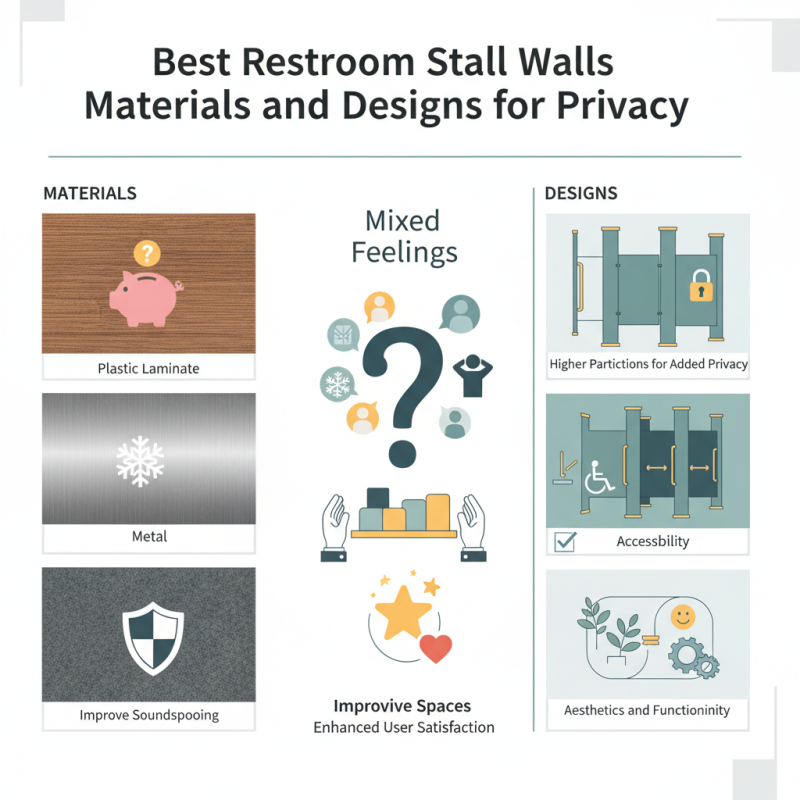
Various materials are used for restroom stall walls, each offering unique benefits and shortcomings. For example, plastic laminate is popular for its affordability. However, it may not provide the same level of soundproofing as other materials. Metal stalls look sleek but can feel cold and uninviting.
Designs also vary widely. Some stalls feature higher partitions for added privacy, while others emphasize accessibility. It's essential to balance aesthetics and functionality. Users often share mixed feelings about their restroom experiences. How can we improve these spaces? Addressing these concerns can lead to better restroom design. Understanding the importance of restroom stall walls is the first step towards enhancing user satisfaction.
Best Materials for Restroom Stall Walls: An Overview of Options
When considering restroom stall walls, material choice is crucial for ensuring privacy and durability. Common options include metal, plastic, and laminate. According to a recent industry report, nearly 75% of facility managers prefer plastic for its resistance to moisture and stains. This option stands up well in high-use environments, making it popular in schools and public buildings.
Laminate panels provide an aesthetic appeal, while also being budget-friendly. They have a wide range of colors and textures, appealing to modern designs. However, they can be prone to chipping and scratching, which may require frequent maintenance. Metal, although sturdy, may not provide as much visual appeal. Depending on the finish, metal can also lead to undesirable noise levels.
Choosing the right wall material involves evaluating numerous factors. Cost, maintenance, and expected lifespan all play a role. The wrong choice can lead to increased costs over time. For instance, failing to consider moisture levels in certain environments may result in rapid deterioration. Hence, an in-depth understanding of each material’s properties and limitations is essential for creating effective restroom stall designs.
Assessing Soundproofing: The Importance of Acoustics in Stall Design
When designing restroom stalls, acoustics play a vital role. Soundproofing materials can significantly enhance privacy. A wall that absorbs sound reduces embarrassment. No one wants to hear or be heard. Thus, selecting the right stall wall materials is essential for comfort.
Consider materials like fiberglass or acoustic panels. They diminish sound reflection. These options may cost more, but they provide a quieter environment. Another aspect is the design. Taller, continuous walls prevent noise leakage. Think about sealing edges and joints too. Every little detail counts.
Tips: Ensure walls are at least six feet tall. This height improves privacy and minimizes sound. Use sound-absorbing fixtures, like soft-closing doors. They help to reduce noise from slamming. Regular maintenance is crucial; check for gaps or damages that can compromise soundproofing. Being proactive in small details makes a big difference.
Durability vs. Aesthetics: Material Choices for High-Traffic Restrooms
Choosing materials for restroom stall walls is crucial. A balance between durability and aesthetics can be challenging. High-traffic restrooms face unique demands. Materials must withstand moisture and wear. For instance, laminate options look attractive but may not last long in busy areas. They can scratch easily and show signs of wear.
In contrast, solid plastic partitions offer durability without sacrificing style. They resist dents and are easy to clean. However, they might lack visual appeal compared to wood-like finishes. In some cases, users prefer the warmth of natural materials, even if they require more upkeep. Wood can give a comforting feel but may absorb odors and moisture, leading to decay.
Color and texture choices can influence privacy levels too. Matte finishes tend to hide smudges, while glossy surfaces reflect light. Some designs also incorporate sound-absorbing panels for extra confidentiality. Still, the effectiveness of these panels can vary. Not every restroom design considers both functionality and looks, leading to uncomfortable experiences for users. Therefore, thoughtful selection of materials and designs is essential.
Hygiene Considerations: How Material Choice Impacts Cleanliness
When selecting materials for restroom stall walls, hygiene is a crucial consideration. The choice of material impacts not only cleanliness but also how the space feels. For instance, smooth surfaces tend to be easier to wipe clean. However, they can sometimes feel cold and uninviting. Textured walls may provide a warmer aesthetic, but dirt can build up in crevices.
The choice of paint also matters. Some finishes resist bacteria and mold, contributing to a cleaner environment. Regularly cleaning these surfaces is vital. Yet, in busy facilities, maintenance might slip. Over time, this breakdown can lead to unsightly stains and unpleasant odors. It's essential to balance aesthetic appeal with practicality.
Finding the right balance is challenging. Many spaces opt for low-maintenance materials, but these can lack personality. Meanwhile, more attractive options may require more effort to keep clean. Spaces must reflect comfort while ensuring hygiene. A well-planned restroom can support users' needs and encourage cleanliness through strategic material choices.
Best Restroom Stall Walls Materials and Designs for Privacy
This chart illustrates the privacy rating of different restroom stall wall materials on a scale from 1 to 10. Wood provides the highest level of privacy, while glass has the lowest, indicating its limited capacity for privacy in restroom environments.
Design Innovations: Trends in Privacy and Stall Layout for Modern Restrooms
Modern restroom designs increasingly emphasize privacy and comfort. Innovative layouts and materials are crucial for enhancing user experience. Designers are exploring various stall configurations. For example, staggered stalls create a sense of separation without needing excessive space. Open-access layouts foster a more inviting atmosphere while still prioritizing privacy.
**Tip:** Consider using frosted glass or soundproof materials to enhance user comfort. These elements can create a barrier without feeling overly constrictive. Unique patterns and colors on the stall walls can also distract from sight lines, improving the overall ambiance.
Another trend is the flexible use of space. Mobile partitions can adapt to high-traffic times. This allows for reconfiguration based on demand. Incorporating plants and art can beautify the restroom, softening the starkness of traditional designs. It's important to remember that too much focus on aesthetics without functionality can lead to compromises. Practicality should always be a priority in layout choices.
**Tip:** Ensure that materials used are easy to clean and maintain. This helps in prolonging the lifespan of designs and keeping facilities inviting. Users appreciate cleanliness as much as privacy.
Best Restroom Stall Walls Materials and Designs for Privacy
| Material | Privacy Level | Durability | Cost Range ($) | Design Options |
| Laminate | High | Moderate | 500 - 700 | Custom Colors |
| Steel | Medium | High | 700 - 900 | Industrial Look |
| Fiberglass | Very High | Very High | 1000 - 1300 | Textured Finishes |
| Wood | Medium | Low | 800 - 1200 | Natural Look |
| Plastic | High | Moderate | 300 - 500 | Vibrant Colors |
 Skip to content


 English
 Russian
  German
  Spanish
  French
  Portuguese