What is the best UAV battery for long flight times?
The quest for longer flight times in UAVs relies heavily on battery technology. Experts like Dr. Emily Carter, a leading authority in UAV energy systems, emphasize, "The choice of uav battery directly influences operational efficiency and duration." This statement underscores the importance of selecting the right battery for enhanced flight performance.
To consider the best uav battery, one must evaluate various energy types. Lithium-polymer (LiPo) and lithium-ion batteries dominate the market. LiPo batteries are well-known for their high energy density and lighter weight. This characteristic can significantly increase flight times. However, they may require strict handling and care. Such nuances highlight the need for careful selection and understanding.
Operational reliability must also be a priority. Battery lifespan affects overall mission success and user experience. As UAV technology evolves, so do battery options. New technologies emerge, offering potential breakthroughs. It is essential to weigh these advances against practical concerns. Users should reflect on their specific requirements, as not all batteries fit every mission type. Selecting the right UAV battery is not just a technical choice but also a strategic decision that demands thorough consideration.
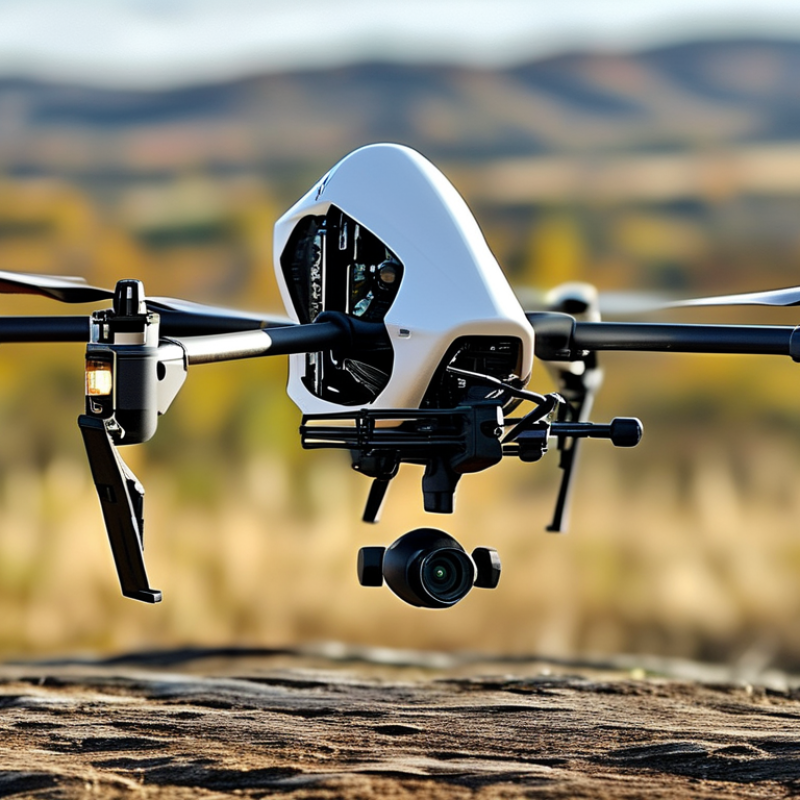
Types of UAV Batteries and Their Characteristics
In the realm of UAV technology, battery selection is crucial for maximizing flight times. Lithium polymer (LiPo) batteries dominate this space. These batteries are lightweight and flexible, offering high energy density. Their efficiency allows drones to achieve longer flight durations. According to the Drone Industry Insights report, the average flight time for drones powered by LiPo batteries reaches approximately 25-40 minutes under optimal conditions.
However, there are other battery types worth considering. Lithium-ion (Li-ion) batteries, for instance, provide a longer cycle life compared to LiPo batteries. They are less prone to damage from over-discharge. Despite having a lower discharge rate, their stability is advantageous for certain applications. A study from the Association for Unmanned Vehicle Systems International highlights that Li-ion batteries offer an impressive range for heavy-duty UAVs.
Yet, battery choice is not solely about performance. Weight and size constraints also play a role. Heavier batteries may provide longer flight times but can hinder maneuverability. Additionally, environmental factors cannot be ignored. Temperature and humidity can significantly affect battery performance. Thus, choosing the right battery type requires a careful balance of all these aspects. Continuous innovation in battery technology is essential for achieving optimal results in UAV applications.
Battery Types and Their Average Flight Times
Factors Affecting UAV Flight Time
When discussing UAV flight times, multiple factors influence battery performance. The weight of the UAV is crucial. Heavier UAVs require more energy to sustain flight. This, in turn, reduces flight time. Research indicates that a UAV carrying additional payloads may experience a flight time decrease of up to 25%.
Battery technology significantly impacts these calculations. Lithium polymer (LiPo) batteries are commonly praised for their energy density. However, advancements in lithium-sulfur batteries show promise, potentially increasing flight times by 50% due to their higher energy storage capabilities. The discharge rate is another essential consideration; optimum discharge rates provide better efficiency and longevity.
Tips: Ensure you balance your payload efficiently. An overweight UAV can compromise flight time significantly. Regularly check battery connections to avoid power loss. Monitoring environmental conditions, like wind and temperature, can also help you optimize flight duration.
Choosing the right battery type involves understanding trade-offs. Efficient battery management systems can extend the operational lifespan of UAV batteries. Avoiding overly aggressive maneuvers may increase flight duration. Ultimately, achieving long flight times requires careful consideration of the UAV’s design, battery specifications, and operational practices.
Comparative Analysis of Popular UAV Batteries
In the quest for optimal long flight times, selecting the right UAV battery is crucial. Recent industry reports highlight that lithium polymer (LiPo) batteries remain the most popular choice due to their superior energy density. However, they come with drawbacks such as lower longevity and safety concerns. Over 60% of users cite issues with battery swelling and inadequate cycle life. This raises questions about reliability over extended missions.
Conversely, lithium-ion (Li-ion) batteries offer better longevity and safety. Their specific energy can reach up to 250 Wh/kg, making them suitable for applications requiring extended flight durations. Yet, they often fall short in power output when compared to LiPo batteries. These compromises can impact overall flight efficiency. Interestingly, a study indicates that users can experience up to 25% longer flight times with optimized battery management systems.
Some newer technologies, like solid-state batteries, promise greater energy density and safety but remain in early development stages. Users may desire longer flights but must balance weight, safety, and power. The future likely holds more choices, yet each option requires careful consideration of critical performance metrics.
Best Practices for Maximizing UAV Battery Life
Maximizing UAV battery life is crucial for extending flight times. Experts suggest that battery longevity can be significantly improved through proper handling and usage. The efficiency of lithium-polymer batteries, the most common UAV choice, can decline if not managed correctly. A recent industry report indicated that 30% of battery capacity loss during the first year can be attributed to improper charging practices.
Maintaining optimal temperature conditions is essential. Batteries should ideally be kept between 20°C to 25°C. Storing them in extreme heat or cold diminishes their effectiveness. Regularly checking battery health can reveal vital insights. A routine assessment can identify capacity loss before it affects performance. Additionally, keeping battery connections clean reinforces reliability and reduces resistance during draws.
Developing a balanced charging regimen also matters. Utilizing a smart charger can help manage voltage levels during charging cycles. A 2022 study outlined that using slow charging methods can lead to a 15% increase in battery lifespan.
Despite these strategies, inefficiencies may still arise. Flight patterns, for instance, can affect power draw unexpectedly. Wind resistance and payload weight can lead to unanticipated extra drain. Understanding these factors is crucial for getting the best from UAV batteries. The quest for longer flight times is ongoing, but these practices lay a foundational path forward.
What is the best UAV battery for long flight times? - Best Practices for Maximizing UAV Battery Life
| Battery Type | Voltage (V) | Capacity (mAh) | Max Flight Time (min) | Weight (g) | Charge Time (hrs) |
| LiPo | 11.1 | 5000 | 25 | 600 | 1.5 |
| LiIon | 3.7 | 4000 | 30 | 500 | 2.0 |
| LFP (LiFePO4) | 12.8 | 6000 | 35 | 800 | 2.5 |
| NiMH | 7.2 | 4500 | 20 | 700 | 4.0 |
Future Innovations in UAV Battery Technology
The future of UAV battery technology is promising. Innovations are focusing on enhancing energy density and reducing weight. New materials like lithium-sulfur and solid-state batteries show great potential. These could significantly extend flight times, allowing for longer missions and greater efficiency.
Tips for UAV enthusiasts: Always consider the weight of the battery. A heavier battery can limit flight time. Look for batteries that offer more energy per kilogram. However, remember that new technologies may take time to perfect. Be cautious about early adoption, as performance can vary.
Researchers are also exploring solar-powered UAVs. This approach could enable continuous flight during daylight hours. Yet, integrating solar panels adds complexity. Designers must balance weight and aerodynamics. Continuous testing is essential to find optimal solutions. Consider these factors when planning your next UAV project.
 Skip to content


 English
 Russian
  German
  Spanish
  French
  Portuguese