How to Build a Prefab Container House Step by Step?
Building a Prefab Container House can be an exciting project. It offers flexibility and innovation in modern living. Many people are drawn to this concept because it is cost-effective and eco-friendly.
The process involves careful planning and design. You will need to choose the right containers, materials, and layout. Mistakes can happen, and you might need to adjust your initial plans. For example, consider insulation, windows, and plumbing carefully.
Pay attention to the foundation where the house will sit. This is often overlooked but crucial. Choosing a good location is vital too. Think about sunlight and privacy. A Prefab Container House can be a fantastic home, but it requires thoughtful consideration. As with any construction, there can be challenges along the way. Embrace these moments for growth and learning.
Choosing the Right Container for Your Prefab House
When building a prefab container house, choosing the right container is crucial. You need to evaluate your goals first. Are you looking for a single unit or multiple containers? This will influence your choice. Look for containers that are structurally sound. Inspect the walls and floors for rust or structural damage. Pay attention to the container’s age as well. Older containers may have hidden issues.
Size matters too. Standard containers come in 20-foot and 40-foot lengths. Choose a size that fits your design plans. Remember, larger containers provide more space but can be harder to transport. Consider the layout of your house. Will you want windows or doors? These features will require specific planning. Sometimes, the ideal container might need modifications. It can be a challenge, but worth the effort.
Don’t overlook insulation. Some containers are not designed for temperature control. Depending on your climate, you might need to add more insulation. This can be a significant cost, so plan accordingly. Choosing the wrong container could lead to unforeseen expenses. This step requires careful thought and research. Every detail counts when crafting a container home.
Designing Your Prefab Container House Floor Plan
Designing the floor plan of your prefab container house is crucial. It sets the foundation for your living space. Start by determining your needs. How many rooms do you require? Perhaps an open layout works best for you. Consider your lifestyle. This will guide your design choices.
Next, visualize the flow of your space. Where will the kitchen be? What about the living area? Creating zones can enhance functionality. You might find it helpful to sketch ideas on paper. However, don’t be afraid to erase and rethink. Imperfections can spark innovative solutions.
Ensure natural light enters every room. Consider windows strategically. They can transform a compact space into a bright haven. Remember, flexibility is key. Your initial plans might change. Stay open to adjustments as you progress. A well-thought-out floor plan can elevate your prefab container house into a cozy home.
Essential Tools and Materials for Construction
Building a prefab container house requires careful planning and attention to detail. Essential tools and materials will make a significant difference in the construction process. According to a report by the International Organization for Standardization, proper tools can reduce project time by up to 20%. Common tools needed include a drill, saw, and leveling instrument. Without these basics, you risk costly mistakes.
Materials play a crucial role too. Steel containers are durable and versatile, making them a popular choice. The average cost of a used shipping container ranges from $1,500 to $5,000. Additionally, insulation is vital for energy efficiency. Without proper insulation, condensation can lead to mold, which can compromise the structure over time. Most experts recommend using spray foam or blanket insulation for effective thermal performance.
Don't overlook the importance of safety equipment. Hard hats, gloves, and goggles are critical. The Occupational Safety and Health Administration reports that nearly 20% of construction site injuries are due to falls. Ignoring safety protocols can have serious consequences. Planning projects with all these elements in mind leads to better outcomes.
Step-by-Step Assembly Process of the Container House
Building a prefab container house can be a rewarding project. The assembly process involves several clear steps. Start by preparing the site where the container will sit. Ensure the ground is level and stable. This foundation is crucial for the structure's safety.
Next, position the containers as per your design. Use cranes or forklifts for placement. This step can be tricky. It’s important to double-check measurements to avoid misalignment. Once in place, secure them together using bolts. This ensures structural integrity.
Tips: Always consider local building codes. They might affect your design choices. Additionally, inspect containers for any damage before use. Minor issues can turn into major headaches later. Lastly, think about insulation and ventilation. These elements are key for comfort but often overlooked in planning.
Finishing Touches: Interior and Exterior Enhancements
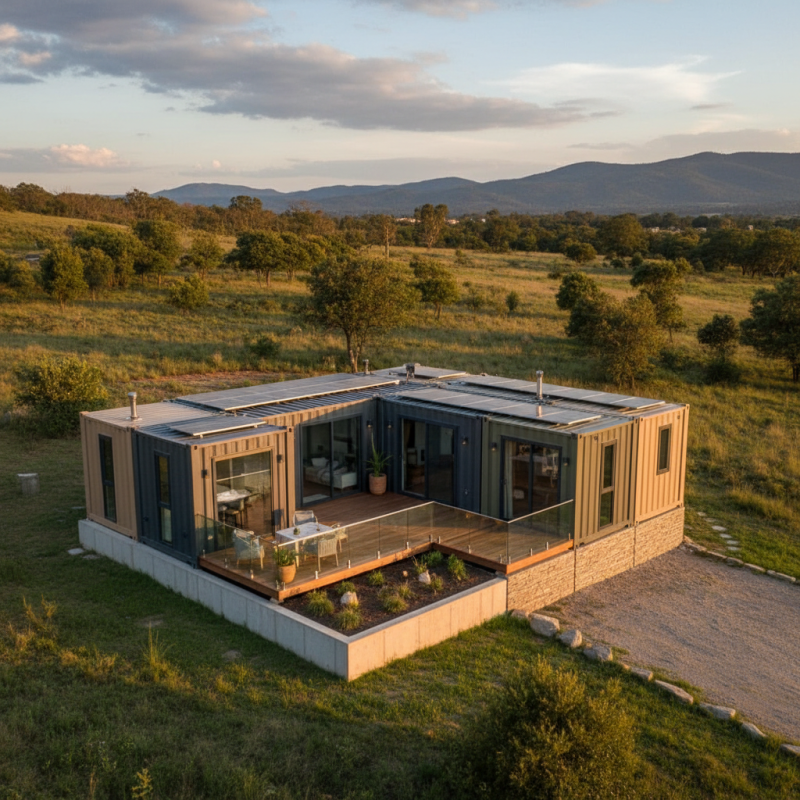
When enhancing a prefab container house, the interior and exterior play vital roles. Start with the exterior. Use durable paint for weather resistance. Incorporate awnings or overhangs to protect against rain. Choose colors that blend with the surroundings for a harmonious look. Consider texture, like wood or stone panels, to add character.
For the interior, prioritize space and light. Large windows will brighten the space. Use light colors for walls to create a sense of openness. Personal touches, such as artwork or plants, can bring life to the space. While furnishings are essential, avoid cluttering the area.
Tips: Use multi-functional furniture to save space. Mirrors can amplify light and create an illusion of more space. If you're not satisfied, don’t hesitate to rearrange furniture or decor until it feels right. Sometimes, you may opt for bold colors, but ensure they complement the overall design. Reflect on the balance between aesthetics and functionality for a comfortable living environment.
How to Build a Prefab Container House Step by Step? - Finishing Touches: Interior and Exterior Enhancements
| Aspect | Details |
| Foundation | Concrete slab or piers for stability. |
| Insulation | Spray foam or rigid foam boards in walls and roof. |
| Windows | Double-glazed for energy efficiency. |
| Doors | Steel or fiberglass for durability. |
| Interior Walls | Drywall or plywood panels with paint or wallpaper. |
| Flooring | Vinyl, laminate, or wood for aesthetics and comfort. |
| Exterior Finishing | Metal siding, paint, or wood cladding for visual appeal. |
| Landscaping | Gardens, trees, and outdoor spaces to enhance beauty. |
| Utilities | Electrical, plumbing, and HVAC systems for functionality. |
 Skip to content


 English
 Russian
  German
  Spanish
  French
  Portuguese