SUNDI TOOLS
- Copyright © Wuxi Sundi Precision Tools Co.,LTD All rights reserved.
- Site Map
Rail Cutting Machines play a crucial role in the modern rail industry. According to a report by MarketsandMarkets, the global rail cutting machine market is projected to grow significantly, reaching USD 1.5 billion by 2025. This growth is driven by increasing infrastructure projects and the need for efficient rail maintenance.
Investing in high-quality rail cutting machines ensures precision and efficiency. Poor quality machines can lead to delays and increased costs. The right machine reduces wastage and improves accuracy in cutting operations. Moreover, cutting-edge technology enhances safety for operators.
However, selecting the best rail cutting machine can be challenging. Many options are available, each with unique features. It's essential to evaluate machines based on their reliability, performance, and support services. Making an informed choice can lead to better project outcomes and long-term savings.
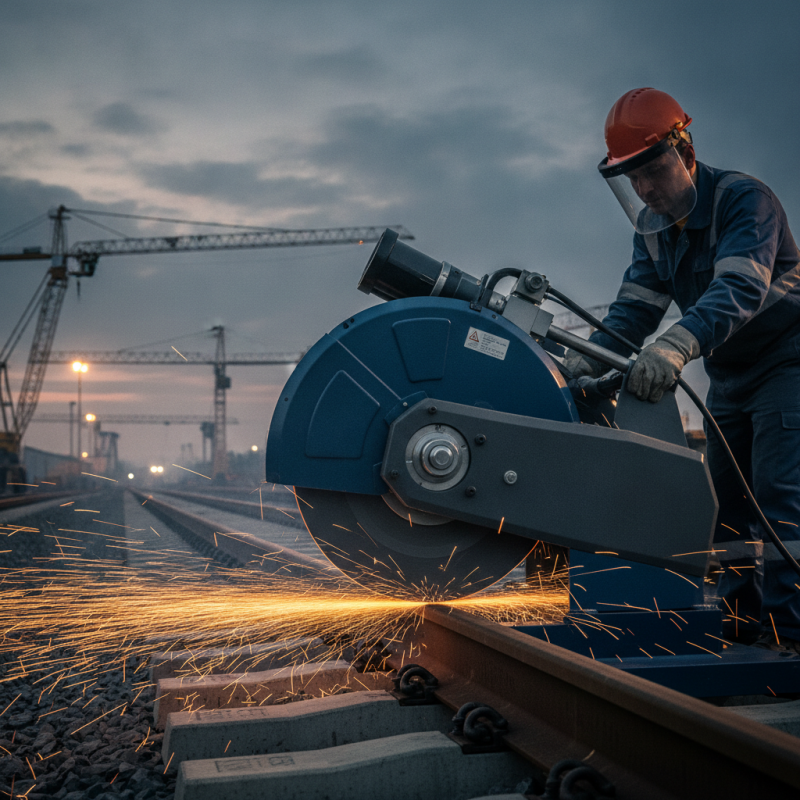
Rail cutting machines play a significant role in railway projects. They provide precision and efficiency, which is crucial during construction and maintenance. Properly executed cuts ensure the integrity of the rail structure and enhance safety. Professionals in the field recognize the importance of these machines in minimizing errors and delays.
The effectiveness of rail cutting machines is evident in their design and functionality. High-quality machines often feature advanced technologies for accurate cuts. These innovations help skilled operators achieve desired results with minimal effort. However, occasional setbacks can occur. An operator may face challenges due to machine limitations or environmental factors. Such experiences teach valuable lessons in planning and execution.
Understanding the capabilities of rail cutting machines is essential for project success. Familiarity with various types allows professionals to select the right tool for specific tasks. Regular training and practice can also improve operator skills. While mistakes can be frustrating, they provide opportunities for growth and improvement. These insights contribute to better planning and development of future projects.
When selecting rail cutting machines, several key features should be considered. The cutting capacity is crucial. It determines the thickness of the rail you can work with. Machines with a higher cutting capacity save time on larger projects. Consider the blade type as well. Different blades suit various materials. A correct match enhances efficiency and precision.
Portability is another essential feature. If your project involves moving between sites, a lightweight model may be beneficial. Easy transport can save valuable time. Look for machines with user-friendly controls. Intuitive designs reduces the learning curve for operators. Training times can be just as critical as the equipment itself.
Safety features cannot be overlooked. Machines should have guards and automatic shut-offs. Prioritizing safety protects workers and reduces accidents. The reliability of the machine is also significant. Frequent breakdowns can delay your timeline. Choose models known for durability and performance. Every project demands a thoughtful approach to equipment selection. Making the right choice impacts efficiency and safety.
| Feature | Description | Importance | Example Specifications |
|---|---|---|---|
| Cutting Depth | Maximum thickness of rail that can be cut | Essential for handling different rail types | Up to 200 mm |
| Weight | Total weight of the machine | Impacts portability and ease of use | Approximately 50 kg |
| Power Source | Type of power required to operate | Determines operational flexibility | Electric or Diesel |
| Safety Features | Protective mechanisms to ensure user safety | Helps in reducing accidents | Emergency stop, protective guards |
| Cutting Speed | Rate at which the machine can cut | Influences efficiency of work | Up to 20 meters per minute |
| Maintenance Requirements | Frequency and complexity of maintenance needed | Affects long-term operational costs | Monthly checks |
When embarking on rail cutting projects, the choice of equipment plays a crucial role. High-quality rail cutting machines provide several benefits that can enhance the efficiency and safety of your work. These machines are designed for precision, ensuring that cuts are clean and accurate. This level of detail minimizes the need for rework, saving both time and resources.
Using top-notch rail cutting machines can also improve the safety of operations. Powerful machines are often equipped with safety features that protect users from potential accidents. This added layer of security allows workers to focus better on their tasks instead of worrying about safety hazards.
Tips for selecting the right rail cutting machine include focusing on user reviews and expert recommendations. Investigating the machine's capabilities and limitations will guide your decision. Always consider whether your selected machine aligns with your project's specific needs. Sometimes, opting for a less popular model may offer surprisingly valuable features. Evaluate all options before making a final selection to get the best value for your investment.
When selecting rail cutting machines, it's vital to compare the different types available. Each category offers unique features that suit specific project requirements. For instance, plasma cutting machines provide high precision and speed. According to a recent industry report, plasma systems account for over 30% of the market due to their efficiency and low operational costs.
On the other hand, band saws are popular for their versatility and ease of use. They are effective in handling various rail materials and thicknesses, making them ideal for diverse applications. However, their speed is often slower than plasma cutters. Data shows that approximately 20% of rail projects rely on band saws, highlighting their continued relevance despite the rise of new technologies.
Laser cutting machines are emerging as a game changer in the industry. With remarkable accuracy, they can reduce waste significantly. Recent surveys indicate that 25% of companies are considering this technology for future projects. Yet, they come with high initial costs and require skilled operators. These factors can be barriers for smaller businesses, prompting a need for careful consideration. As technology evolves, understanding these differences becomes crucial for making informed equipment choices.
Maintaining rail cutting machines is essential for optimal performance and longevity. Regular inspection is critical. The National Institute for Occupational Safety and Health (NIOSH) reports that machinery malfunctions account for over 20% of workplace accidents. Proper maintenance can decrease downtime and enhance safety. Operators should check cutting blades for wear regularly. A dull blade causes excessive strain on the machine, increasing the risk of failure.
Optimizing machine settings is equally vital. Research from the Metalworking Industry Association indicates that fine-tuning cutting speeds can improve efficiency by 15%. Adhering to the manufacturer’s recommendations for feed rates ensures consistent cuts and extends the lifespan of the equipment. Not every operator realizes the importance of proper lubrication. Regular oiling reduces friction and overheating, which could lead to work-related injuries and costly repairs.
Operators should also keep the workspace clean. A cluttered environment raises the chances of accidents and operational inefficiencies. A study found that 70% of maintenance issues arise in disorganized settings. While it may seem minor, addressing clutter can significantly impact overall machine performance. Frequent training sessions for workers can reduce errors and enhance familiarity with equipment, contributing to a safer and more efficient work environment.