Why Choose Precision Cutting Tools for Your Business Needs?
In a competitive market, choosing the right tools can greatly impact efficiency and quality. Precision Cutting Tools stand out due to their accuracy and reliability. These tools are essential for various industries, including manufacturing and engineering. By investing in high-quality precision tools, businesses can enhance production rates and reduce waste.
Many companies overlook the significance of precision cutting tools in their operations. This often leads to costly mistakes and product inconsistencies. High-performance tools deliver cleaner cuts and extend tool life. Additionally, they help maintain tight tolerances, ensuring every piece meets exact specifications.
Selecting precision cutting tools is not just a purchase; it's a strategic decision. Companies need to consider their specific needs and available options. While the best tools may come at a higher cost, their long-term benefits are undeniable. Investing in precision cutting tools could be the key to achieving operational excellence.
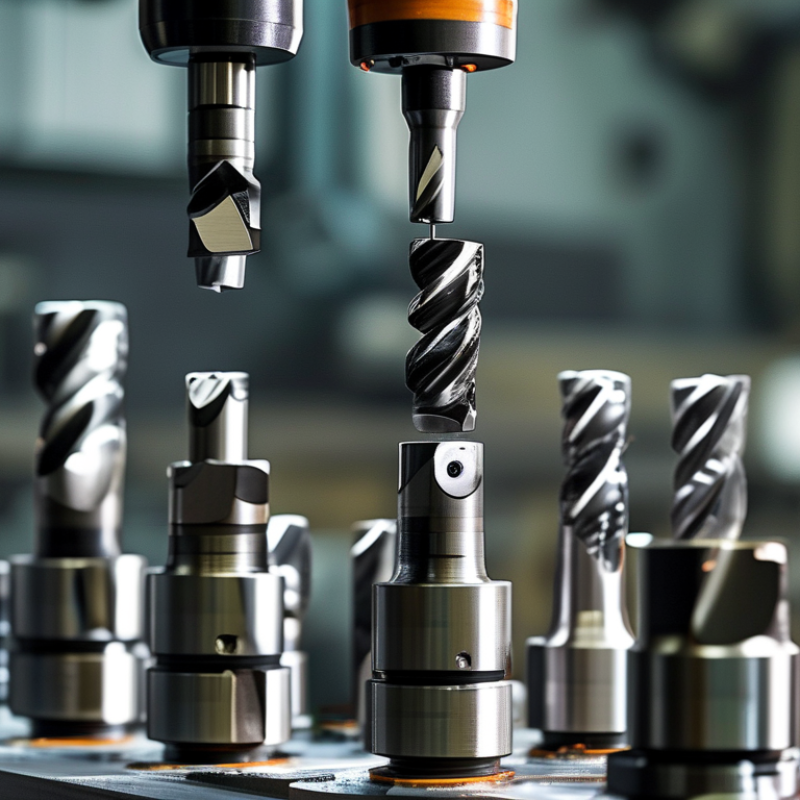
Advantages of Precision Cutting Tools in Manufacturing Processes
Precision cutting tools are essential in today’s manufacturing processes. They offer high accuracy, which is crucial for producing quality products. With these tools, manufacturers can achieve tighter tolerances. This results in less waste and higher efficiency. When precision is key, choosing the right tools makes a significant difference.
For effective use of precision cutting tools, regular maintenance is crucial. Dull tools can lead to inaccuracies. They may also increase production time. Regularly checking and replacing cutting edges can prevent these issues. It's important to create a schedule for tool inspection. This simple step can save time and resources.
Choosing the right material is just as important. Different applications require different tool materials. Understanding the properties of each material can guide better choices. Knowledge in this area enhances durability and performance. Manufacturers should invest in training their staff. This investment pays off by improving overall productivity.
Factors to Consider When Choosing Precision Cutting Tools
Choosing precision cutting tools is essential for any business aiming for high-quality production. When selecting the right tools, consider the materials you will be working with. Different materials, such as metal, wood, or plastics, require specific cutting tools for optimal performance. For instance, high-speed steel may be ideal for softer materials, while carbide tools excel with harder materials. Balancing durability and sharpness is also crucial. A tool that dulls quickly can lead to increased costs and longer production times.
Another critical factor is the cutting speed and feed rate. These parameters influence how efficiently the tool performs. Too fast of a speed can lead to tool wear, while too slow may not meet production demands. Assessing your production volume can help tailor the specifications required for your tools. Analyzing your current workflow and seeking feedback from operators can pinpoint areas needing improvement.
Finally, consider the support and resources available for the tools you choose. While a less-known brand might offer attractive pricing, ensure they have adequate support for troubleshooting and maintenance. Investing in precision cutting tools should include a long-term view of operational efficiency and support systems. Reflect on past tool choices and seek solutions to enhance performance continually.
Different Types of Precision Cutting Tools and Their Applications
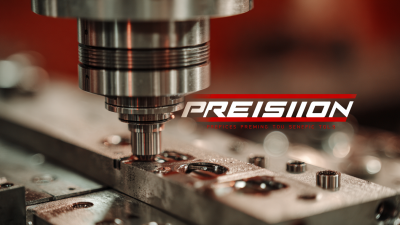
Precision cutting tools play a crucial role in various industries, ensuring high-quality results. Different types of tools serve distinct applications, each tailored to specific tasks. For instance, end mills are versatile tools used in milling operations. They cut materials like metal and plastics efficiently, allowing for intricate designs. Meanwhile, band saws excel in cutting thicker materials, providing straight, clean cuts that reduce waste.
Another type worth noting is laser cutters. They are vital in industries like textiles and metal fabrication. Laser technology allows for precision cuts, enhancing design capabilities. However, these tools require careful handling and knowledge, as errors can be costly. Also, investing in high-quality tools may seem daunting, but it pays off in performance and longevity.
Machinists often face challenges when choosing the right tool. Understanding the applications of each type is essential but not always straightforward. Mistakes can happen without proper research and training. Thus, seeking expertise and guidance can lead to better decision-making. The right precision cutting tools empower businesses, improving efficiency and kickstarting innovation.
Why Choose Precision Cutting Tools for Your Business Needs?
| Type of Precision Cutting Tool |
Description |
Common Applications |
Material Compatibility |
| End Mills |
Rotating cutting tool used for milling. |
Machining complex shapes, slots, and profile cuts. |
Aluminum, Steel, Brass, Plastic |
| Laser Cutters |
Uses a laser to cut materials with high precision. |
Cutting intricate designs in metal, wood, and acrylic. |
Metals, Wood, Plastics |
| Waterjet Cutters |
Cuts materials using high-pressure water jet mixed with abrasives. |
Cutting hard materials like glass, stone, and metals. |
Glass, Stone, Metal, Composite Materials |
| Band Saws |
Used for cutting irregular shapes and curves. |
Woodworking, Metal fabrication, and Leather work. |
Wood, Metal, Plastic |
| CNC Routers |
Computer-controlled cutting machine for shaping materials. |
Sign making, Furniture making, and Decorative work. |
Wood, Plastics, Composite Materials |
Cost-Effectiveness of Precision Cutting Tools for Businesses
When discussing the cost-effectiveness of precision cutting tools, businesses must weigh the initial investment against long-term savings. Industry reports indicate that investing in high-quality precision tools can yield up to a 20% reduction in production costs. This is largely due to their ability to improve efficiency and reduce waste. Precision tools minimize errors and ensure that materials are cut to exact specifications, reducing the need for rework.
Moreover, precision cutting tools tend to have a longer lifecycle than standard tools. A study from the Manufacturing Institute shows that businesses using precision tooling experience 30% less downtime. This increased reliability directly correlates with increased productivity. Furthermore, precision tools often work faster, allowing businesses to meet tight deadlines without compromising quality.
While the upfront cost may seem daunting, the return on investment is significant. Companies must consider not only the immediate financial implications but also the overall impact on efficiency and quality. Investing in precision cutting tools can fundamentally change the landscape of operations. However, organizations should conduct a thorough cost-benefit analysis to ensure the selected tools align with their specific needs and production goals.
Maintaining and Maximizing the Lifespan of Precision Cutting Tools
Precision cutting tools play a vital role in manufacturing efficiency. However, their effectiveness hinges on proper maintenance. Regular inspection of tools can extend their lifespan significantly. According to industry reports, properly maintained cutting tools can last up to 30% longer than those that are neglected. This prolongation not only saves money but also enhances the precision of operations.
Maximizing tool longevity requires a proactive approach. Implementing systematic cleaning following each use helps remove debris. Studies indicate that less than 50% of businesses regularly clean their tools, leading to avoidable wear and tear. Additionally, ensuring that tools are stored in optimal conditions prevents corrosion. Humidity and temperature fluctuations can significantly decrease tool performance.
Understanding the specific needs of your operations is essential. Each cutting tool comes with unique maintenance requirements. Some tools may need sharpening more frequently than others. Too often, operators overlook the importance of keeping accurate records of tool performance and maintenance schedules. These practices can identify patterns in wear and help in optimizing usage. A holistic approach to maintenance fosters reliability and efficiency in operations. Regular assessments can prevent costly downtimes in production, highlighting the value of effective management strategies.
Maintaining and Maximizing the Lifespan of Precision Cutting Tools
 Skip to content




 English
 Russian
  German
  Spanish
  French
  Portuguese