Why Choose Stainless Investment Casting for Your Production Needs?
In today's competitive manufacturing environment, choosing the right casting method is crucial. Stainless Investment Casting stands out for its unique advantages. Companies often struggle with selecting materials and processes that ensure both durability and precision. Stainless Investment Casting offers a solution that meets stringent industry standards.
This casting process allows for intricate designs and tight tolerances. Its versatility makes it suitable for various applications, from automotive to aerospace. Many manufacturers have switched to this method due to its reliability and efficiency. However, not all projects are ideal for Stainless Investment Casting. These considerations warrant careful evaluation and expert guidance to determine feasibility.
The pursuit of innovation drives the industry forward. Yet, there are challenges in adapting to new technologies and materials. Engaging with experienced professionals can enhance decision-making. Embracing Stainless Investment Casting may lead to improved production outcomes. However, understanding both its advantages and limitations is essential for success.
Understanding Stainless Investment Casting: A Brief Overview
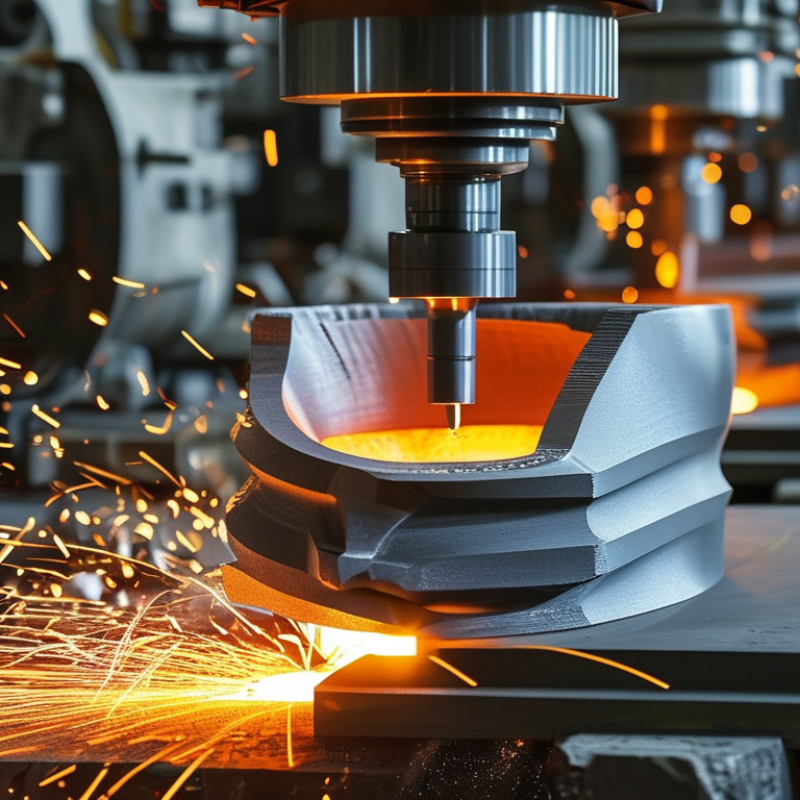
Stainless investment casting is a remarkable process in manufacturing. It enables the production of intricate and precise components. This method involves creating a wax pattern, coating it with ceramic material, and then melting away the wax to form a mold. According to the American Foundry Society, investment casting has a lower cost of finishing compared to other methods, leading to significant savings in production.
One key advantage of stainless investment casting is its versatility. It can accommodate various stainless steel grades, each offering unique properties. For example, corrosion resistance is vital in many industries. A study published by the Journal of Materials Processing Technology found that investment cast components can achieve up to 95% dimensional accuracy. This precision reduces the need for additional machining, enhancing efficiency.
However, there are challenges in this method. The initial setup time can be longer than alternatives, affecting lead times. Additionally, achieving consistent quality requires skilled technicians. These factors can lead to production delays if not managed properly. Understanding these nuances can help manufacturers make informed decisions in their processes.
Key Advantages of Using Stainless Steel in Investment Casting
Stainless steel investment casting offers unique benefits for various industries. This method ensures high precision and intricate designs. It allows manufacturers to create complex shapes that would be difficult using other techniques. Often, the end products require minimal machining, reducing process time and costs.
One remarkable advantage of stainless steel is its corrosion resistance. This feature is crucial for products used in harsh environments, like marine or chemical applications. Stainless steel is not only durable but also maintains its appearance and integrity over time. However, one must consider the specific grade of stainless steel to ensure it meets performance requirements.
Another aspect to reflect on is the environmental impact. While stainless steel casting is efficient, the production process does have a carbon footprint. Balancing quality and sustainability is vital for modern manufacturing. Opting for stainless investment casting means investing in efficiency and longevity, but it raises questions about environmental responsibilities in production.
Key Advantages of Stainless Steel in Investment Casting
Applications of Stainless Investment Casting in Various Industries
Stainless investment casting is renowned for its versatility across various industries. It plays a vital role in producing intricate parts and components in sectors like aerospace, automotive, and medical devices. The superior properties of stainless steel, such as corrosion resistance and strength, make it ideal for these applications. In the aerospace industry, for instance, components created through stainless investment casting contribute to reducing weight while enhancing durability.
Many manufacturers benefit from this casting process. It allows for the production of complex geometries that would be difficult or impossible with traditional methods. This feature is particularly valuable in the medical field, where precision and reliability are paramount. Surgical instruments made this way meet the industry's strict standards.
Tips: When considering stainless investment casting, focus on the design optimization. Collaborate closely with engineers to refine your designs for better manufacturability. Additionally, evaluate the casting materials thoroughly. Different alloys can significantly affect the final product’s performance. Be prepared for adjustments during the prototyping phase. This iterative process can lead to a more reliable design and better end products.
Factors to Consider When Choosing Stainless Investment Casting
When considering stainless investment casting for your production needs, several critical factors come into play. The material's corrosion resistance is paramount. Unlike other metals, stainless steel can withstand harsh environments, making it suitable for various applications, from automotive to aerospace. Choosing a high-grade alloy ensures that the final product will perform well under stress.
Precision is another vital aspect. Stainless investment casting allows for intricate designs with tight tolerances. This level of detail is often necessary in complex machinery or components. However, achieving such precision requires expertise in the casting process. Not all foundries have the same level of skill, which can lead to variability in quality.
Cost is always a consideration. While stainless investment casting may seem pricier upfront, its longevity and durability can lead to savings over time. It's essential to weigh the initial investment against the potential for reduced maintenance and replacement costs. Reflecting on these factors can help clarify whether stainless investment casting is the right choice for your project.
Cost Implications and Economic Benefits of Stainless Investment Casting
Stainless investment casting offers significant economic benefits for production needs. The precision in casting reduces material waste. This lower waste translates directly to cost savings. Additionally, the intricate designs possible with precision casting minimize the amount of machining required afterward. This efficiency in production can shorten lead times and lower overall labor costs.
The initial investment in stainless investment casting can seem high. However, the long-term benefits often outweigh upfront costs. Businesses can achieve higher-quality parts with fewer defects. This reliability enhances customer satisfaction and can lead to repeat business. Over time, the savings from reduced material usage and labor costs can be substantial.
Not every project is suited for stainless investment casting. Certain designs may not translate well into this method. It's important for engineers and designers to assess their needs thoroughly. Sometimes, traditional methods might be more appropriate. Balancing cost and quality is a key challenge in production.
 Skip to content


 English
 Russian
  German
  Spanish
  French
  Portuguese