2026 How to Choose the Right Cabin Filter for Your Car?
Choosing the right Cabin Filter for your car can be a complex task. A Cabin Filter plays a critical role in keeping your vehicle's interior air clean. It filters out dust, pollen, and other harmful particles. However, not all Cabin Filters are created equal.
Brands offer various types of filters, each with unique features. Some filters focus on basic filtration, while others provide enhanced protections against allergens and odors. It's essential to consider your driving environment. If you often drive in urban areas, a high-quality filter is especially important.
Many drivers overlook the need to replace their Cabin Filters regularly. Over time, filters become clogged and less effective. This can lead to stale air and unpleasant smells inside the car. Be mindful of how your filter is performing. Regular maintenance and checks are necessary for optimal air quality. Choosing the right Cabin Filter matters, even if the selection process feels overwhelming.
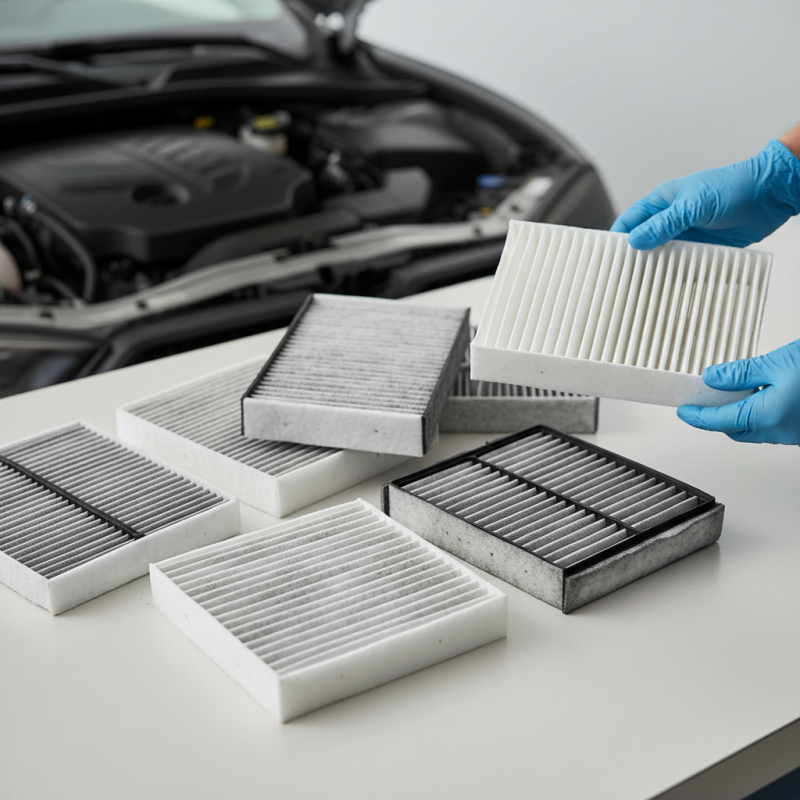
Understanding the Functionality of Cabin Filters in Vehicles
Cabin filters play a crucial role in maintaining air quality inside vehicles. They filter out dust, pollen, and pollutants, ensuring that passengers breathe clean air. A good cabin filter can improve comfort during long drives. Some filters also combat odors from outside, making the ride more pleasant.
Choosing the right cabin filter requires understanding types available. Some filters provide basic protection, while others offer advanced filtration. Checking the filter’s specifications can be daunting. Many people overlook this step, leading to subpar choices. Regularly replacing the filter is essential too. An old filter can become clogged, reducing airflow and efficiency.
Factors like climate and driving habits matter as well. For example, city driving often exposes cars to more pollutants. In contrast, rural driving may have more dust and pollen. It's easy to forget the filter's importance during vehicle maintenance. Assessing your environment can help in making an informed decision.
Types of Cabin Filters: An Overview of Options Available
When selecting a cabin filter for your car, understanding the types available is crucial. Cabin filters primarily fall into two categories: particulate filters and activated carbon filters. Particulate filters catch dust, pollen, and other particles. According to industry data, they can remove up to 98% of airborne particles. This is significant for those with allergies or respiratory issues.
Activated carbon filters, on the other hand, absorb odors and harmful gases. They are particularly effective in urban areas with high pollution levels.
Tip: Check your vehicle's manual for specifications. Not all cars require the same filter type. It’s important to match the right filter to your vehicle. Some filters may not fit properly, leading to decreased performance.
Another aspect to consider is the maintenance frequency. Cabin filters should generally be replaced every 12,000 to 15,000 miles. However, in dusty or polluted environments, more frequent changes may be necessary. Neglecting to change the filter can result in stale air and musty odors.
Tip: Keep an eye on air quality in your area. It may affect how often you should replace your filter. A clean cabin filter ensures better airflow and a healthier driving experience.
Key Factors to Consider When Choosing a Cabin Filter
When selecting a cabin filter for your vehicle, several key factors come into play. The filter's material is crucial. High-efficiency particulate air (HEPA) filters can remove up to 99.97% of airborne particles, improving air quality significantly. Studies indicate that cabin air quality can impact driver health and comfort, making this choice essential.
Next, consider the filter's size and compatibility with your vehicle model. An ill-fitting filter can lead to air leaks, reducing filtration efficiency. According to industry data, approximately 25% of drivers unknowingly install incorrect filters, compromising their vehicle's performance. This highlights the importance of double-checking specifications.
Another aspect is the filter's lifespan. While some filters last up to 12 months, others may need replacement sooner. Neglecting timely changes can result in decreased airflow and irritants entering the cabin. A survey revealed that 40% of drivers overlook cabin filter maintenance, potentially affecting their health and driving experience. These observations emphasize the need for awareness when choosing the right cabin filter.
2026 How to Choose the Right Cabin Filter for Your Car? - Key Factors to Consider When Choosing a Cabin Filter
| Factor | Description | Importance Level |
| Type of Filter | Choose between particulate, activated carbon, or HEPA filters based on needs. | High |
| Filter Efficiency | Check the MERV rating to assess how well the filter traps pollutants. | High |
| Fit | Ensure the filter is compatible with your vehicle's make and model. | Critical |
| Longevity | Consider the lifespan of the filter and how often it needs to be replaced. | Medium |
| Cost | Evaluate price against quality; cheaper filters may not be as effective. | Medium |
| Brand Reputation | Research user reviews and ratings to find reliable options. | Medium |
| Installation Ease | Consider if the filter is easy to install or requires professional help. | Low |
How to Properly Install a Cabin Filter in Your Car
Changing your cabin filter is an important part of car maintenance. It ensures clean air inside your vehicle. Proper installation can improve air quality and enhance your drive.
Before you start, gather your tools. You’ll typically need a screwdriver and possibly a pair of pliers. Check your car’s manual for the specific location of the cabin filter. Many are located behind the glove compartment. This might seem straightforward, but it can take time to navigate the space.
When removing the old filter, observe how it fits. Pay attention to the orientation of the filter. This is crucial for installation. Insert the new filter exactly how the old one was positioned. A common mistake is reversing the direction. It’s easy to overlook small details like these.
Tips: Clean the area around the filter to prevent debris from entering. Wear gloves if possible; this will help you avoid dirt. Double-check everything before you close compartments. This will save you from doing extra work later. Take your time and be patient. Remember, it’s okay to make mistakes as you learn.
Maintenance Tips for Prolonging the Life of Your Cabin Filter
Your cabin filter plays a crucial role in your car's air quality. Regular maintenance can significantly extend its life. Check it every few months, especially if you drive in dusty areas. A simple inspection can prevent costly replacements later. When it's time to change, look for signs of dirt buildup or odor.
Cleaning your cabin filter can be tricky. Sometimes, it might not seem necessary until you notice poor airflow. If you find yourself sneezing or coughing while driving, it’s a big red flag. Don’t ignore those symptoms. Washing the filter is an option, but ensure it dries completely. Otherwise, you might invite mold growth.
Consider replacing your filter seasonally, especially before long trips. Extreme weather can impact its functionality. Use proper tools and methods to avoid damage during replacement. Sometimes, DIY fixes can go awry, leaving you frustrated. Checking your manual can help you avoid mistakes. Prioritizing these maintenance tips will keep your cabin air fresh and pleasant.
 Skip to content


 English
 Russian
  German
  Spanish
  French
  Portuguese