...

How to Choose a Premium Dog Leash

Choosing a Premium Dog Leash is not simply about selecting the most attractive design. It is about matching reliable equipment to your dog, your walking environment, and your daily habits. A polished leather leash may feel luxurious in your hand, while a lightweight biothane model may perform better during rainy commutes. The right choice depends on practical details.

Veterinary behaviorist Dr. Karen Overall has offered a useful reminder: “Management is not training.” A leash can improve safety and control, but it cannot replace patient teaching, calm handling, or responsible supervision. This distinction matters when a strong dog pulls toward traffic, a puppy chews the handle, or an older dog needs gentler support. Small details become important. Check the clasp with one hand. Examine the stitching near the handle. Feel whether the grip becomes slippery after a few minutes outdoors. Test the leash before trusting it on a busy street.

Material, length, width, hardware strength, and comfort should guide your decision. Reflective details can help during evening walks. A shorter leash may offer better control in crowded areas, while a longer one can provide freedom in open spaces. Yet no Premium Dog Leash solves every walking problem. That is the uncomfortable part. A costly leash can still be poorly matched to your dog or your routine. This guide examines those trade-offs carefully, using practical experience and product-quality principles rather than appearance alone. Your dog deserves safety. You deserve confidence. Neither should depend on marketing promises.
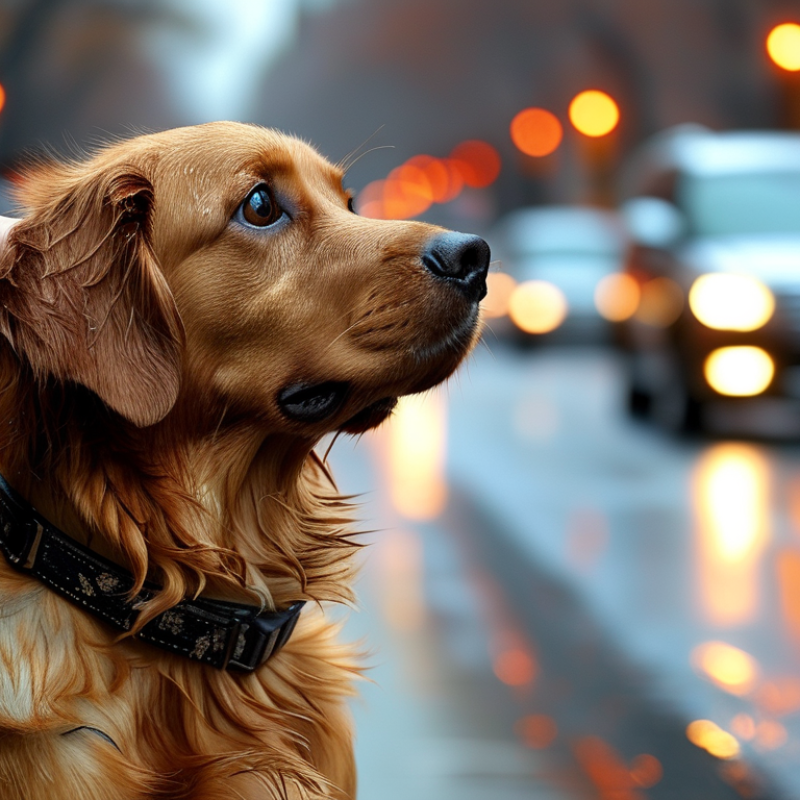
How to Choose a Premium Dog Leash

Understanding What Makes a Dog Leash Premium

A premium dog leash is defined by thoughtful construction, not a high price alone. After handling many leashes, I look closely at stitching, hardware, and grip comfort. Dense webbing should feel firm without becoming stiff. The connection points need reinforced stitching, especially near the clasp and handle. These areas receive repeated pulling during daily walks. A smooth, secure clasp matters too. It should open easily for the owner, but not detach accidentally.

Material quality becomes clearer with regular use. A well-made leash usually resists fraying, twisting, and moisture-related odor. However, no material stays perfect forever. I once trusted a soft leash that felt excellent in the shop, but its edges began wearing after several rainy walks. That experience changed how I judge comfort. Softness helps, but durability needs equal attention. Check whether the handle remains comfortable when a dog suddenly pulls. A padded grip can reduce pressure and slipping. Small details matter.

Premium design also includes practical control. The leash should suit the dog’s size, strength, walking style, and environment. Reflective elements can improve visibility during low-light outings, though they cannot replace careful supervision. A heavier clasp may feel durable, but it can become tiring with a small dog. My judgment is not infallible. Inspect the leash regularly, including hidden stitching and clasp movement. A premium leash should support safer handling through reliable details, not impressive packaging.


Matching Leash Materials to Your Dog’s Size and Strength

How to Choose a Premium Dog Leash

Matching Leash Materials to Your Dog’s Size and Strength

A leash should match your dog’s body, pulling power, and walking habits. Small dogs usually need lightweight nylon or soft rope. Heavy hardware can strain their necks and make walks awkward. Choose a narrow leash with smooth edges, especially for short-haired dogs.

Medium and large dogs need stronger materials, wider webbing, and reinforced stitching. Coated webbing resists water and wipes clean after muddy walks. Thick nylon handles sudden pulling well, while leather offers a comfortable grip when properly maintained. Leather can become stiff when wet, though. I once underestimated that detail, and the leash felt unpleasant after rain.

Check the clasp before judging the material. A strong leash with a weak metal clip is still unsafe. Look for secure stitching, reliable swivel movement, and a clasp that fits your dog’s collar ring. A simple hand test helps: hold the leash firmly and inspect the seams for stretching. Do not rely on appearance alone.

Active dogs may need climbing-style rope or double-layer webbing. Chewers need closer supervision, because no material is chew-proof. Puppies often outgrow their first leash quickly. Measure again after growth spurts. A premium choice is not always the thickest one. It should feel balanced, controlled, and comfortable in your hand.

Choosing the Right Leash Length, Width, and Handle Design

How to Choose a Premium Dog Leash

Leash length, width, and handle design should match your dog’s movement, strength, and walking environment. APPA’s 2023–2024 National Pet Owners Survey reports 65.1 million U.S. households own a dog. That scale makes everyday leash safety worth careful attention. For sidewalks, a 1.2–1.8 metre leash offers control without constantly pulling your dog close. A shorter leash can help near traffic, but it may feel restrictive during relaxed walks. Larger or stronger dogs usually need wider webbing and reinforced stitching. Small dogs often walk more comfortably with lighter materials.

Handle comfort matters more than appearance. A padded loop can reduce pressure during sudden pulls. A secondary lower handle gives quicker control near gates or crowded paths. The grip should stay secure when wet, though I would not trust any handle blindly. Inspect the clasp, stitching, and attachment point every week. My own mistake was choosing a thick leash that felt “premium” but tired my hand after twenty minutes.

Tips: Measure your dog’s chest and walking strength, not just body weight. Test the leash indoors first. Check whether your hand can slide through the handle easily. Avoid excess length in busy areas. The American Veterinary Medical Association emphasizes supervised, controlled handling during outdoor activity. A leash is only as reliable as its inspection and use.

Evaluating Safety Features, Comfort, and Everyday Usability

A premium dog leash should protect both the dog and the person holding it. Check the clasp before buying. It should close firmly, rotate smoothly, and resist accidental release. Double stitching matters, especially for strong or excitable dogs. Look for sturdy webbing without frayed edges or thin, weak sections. Reflective threads can improve visibility during evening walks, but they cannot replace lights in heavy traffic.

Comfort affects daily control. A padded handle can prevent rubbing during a sudden pull. The grip should remain secure when wet, though some padding becomes slippery in rain. Choose a length that suits your walking environment. A shorter leash offers better control near roads, while a longer one allows safer sniffing in open areas. Avoid excessive length around bicycles, crowds, or stairways. The leash should feel balanced, not heavy at your wrist.

I test a leash by holding it for several minutes, opening the clasp repeatedly, and checking every seam. Small details matter. I once ignored a stiff handle because the material looked impressive. My hand became sore after one long walk. That mistake changed how I judge everyday usability. Clean the leash regularly and inspect it for damage after rough walks. Even quality equipment can fail when worn, overloaded, or poorly maintained. A qualified trainer can help match leash length and handling style to a dog’s size, strength, and behavior.

Comparing Durability, Maintenance Needs, and Overall Value

How to Choose a Premium Dog Leash

A premium leash should survive wet sidewalks, sudden pulls, and daily handling. Price alone proves little. Check the stitching around the clasp and handle. Look for smooth edges, tight webbing, and hardware without visible gaps. A secure clasp should open easily, but resist twisting under tension. In my experience, weak stitching appears before the main strap fails. That detail is easy to miss.

Maintenance affects real value. Wipe away mud after walks, especially near metal fittings. Saltwater and road salt can accelerate corrosion. Let the leash dry fully before storing it. Never rely on a quick rinse alone. The 2023–2024 APPA National Pet Owners Survey reports that 66% of U.S. households own a pet. Frequent use makes small maintenance habits financially meaningful. Still, many owners replace gear only after visible damage. That is risky, and I have made that mistake myself.

Overall value means service life, comfort, and replacement cost together. Grand View Research estimated the global pet accessories market at about 6.01 billion dollars in 2023, with continued growth expected. More choices do not guarantee better construction. Compare warranty terms, repair options, and cleaning instructions before buying. A lighter leash may feel comfortable, yet thin materials can wear faster. A heavier leash may last longer, but become tiring during extended walks. The best choice depends on your dog’s strength, walking environment, and your willingness to inspect it regularly.

How to Choose a Premium Dog Leash

Comparing durability, maintenance needs, and overall value across common premium leash materials. Scores use a 1–10 comparative benchmark based on abrasion resistance, weather tolerance, cleaning requirements, expected longevity, and everyday usability.

Coated webbing offers the strongest balance of durability and easy maintenance, while leather provides a premium feel but requires regular conditioning. Nylon is affordable and lightweight, whereas rope performs well for active use but can absorb moisture and odors.

en_USEnglish

PCD Inserts

PCBN Inserts

Solid CBN Inserts

PCD Milling Cutter

PCD Drilling Tools

PCD Reamer

Diamond Special Tool

Diamond Dressers