How to Choose the Best Magnetic Separator for Conveyor Belt?
Choosing the right Magnetic Separator For Conveyor Belts is crucial for efficient material handling. A suitable Magnetic Separator For Conveyor Belt not only enhances productivity but also ensures product quality. These devices prevent metal contamination, which can harm both equipment and end products.
Understanding the specific needs of your operation is vital. Different industries have varying requirements, and a one-size-fits-all approach often falls short. Factors such as material type, conveyor speed, and volume should be carefully considered. In some cases, selecting an inappropriate separator can lead to costly downtimes and reduced efficiency.
While numerous options exist on the market, not every magnetic separator will meet your expectations. Researching brands and understanding their technology can build confidence in your choice. However, it's also important to seek expert advice and customer reviews for reliable information. Sometimes, despite thorough research, the choice may still not align perfectly with operational needs. Reflection on past decisions can guide future selections.
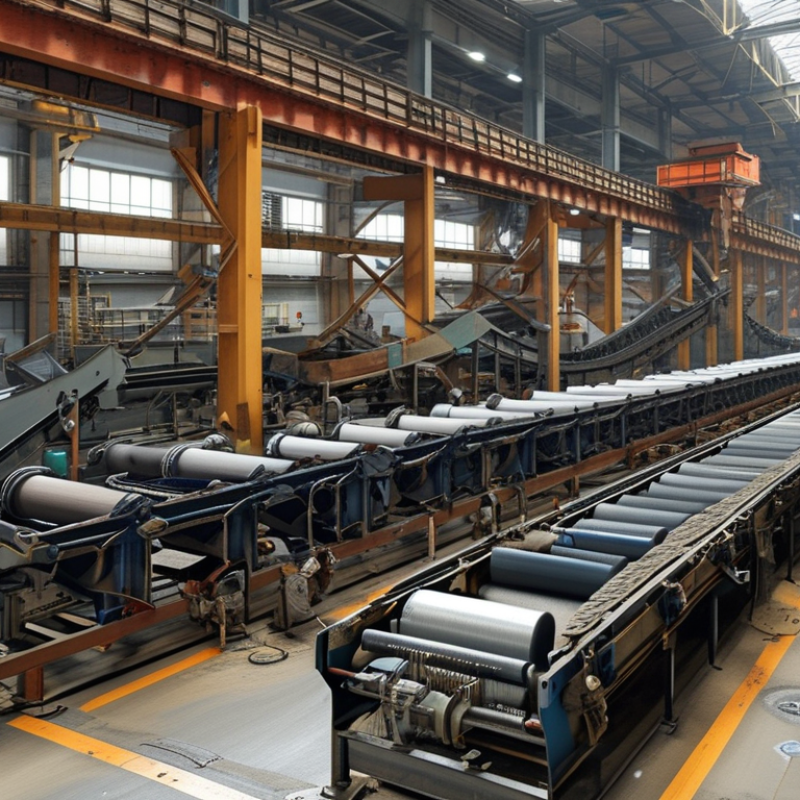
Understanding Magnetic Separator Types for Conveyor Belts
When selecting a magnetic separator for conveyor belts, understanding the types available is crucial. Magnetic separators can be broadly categorized into different types based on their design, purpose, and application. Rare earth magnetic separators are known for their high strength and are effective in removing fine ferrous materials. They are compact and can be used in various settings, but their installation can be complex.
Another common type is the permanent magnet separator. These are cost-effective and reliable for general applications. They require minimal maintenance and can operate under harsh conditions. However, they might not be suitable for all materials. Conveyor belt magnetic separators also vary in size and strength. The choice of which type to use depends on the specific needs of your process. An outdated or inappropriate separator can result in inefficiencies. Assessing the magnetic field strength is essential; too weak may miss contaminants while too strong can lead to unnecessary wear on the belt.
Understanding these factors allows for a more tailored approach in choosing a magnetic separator. This choice directly impacts productivity and safety in material handling processes. It's worth revisiting your choices periodically to ensure optimal performance.
Magnetic Separator Types for Conveyor Belts
Key Factors to Consider When Choosing Magnetic Separators
When selecting a magnetic separator for your conveyor belt, several key factors come into play. The type and size of materials you handle are crucial. Consider the dimensions and density of the ferrous materials you're targeting. A separator that fits well with your specific needs enhances efficiency. Also, examine the magnetic strength required for your applications. Too weak, and it won't capture unwanted metal; too strong, and it can disrupt the conveyor's operations.
Material flow rate is also vital. If your conveyor moves materials quickly, you need a separator that can keep pace. Slower operations might allow for more adjustable systems. Pay attention to the installation process as well. Some separators require more space and specific positioning works better with certain configurations. Ensure compatibility with existing equipment.
Tips: Evaluate the separator's maintenance requirements. A low-maintenance option could save costs over time. Think about the power consumption. Efficient machines lead to long-term savings. Lastly, testing different separators can provide insights into the best fit for your system. Remember to be flexible; sometimes adjustments can lead to better outcomes.
Evaluating Magnetic Strength and Performance Requirements
When selecting a magnetic separator for a conveyor belt, assessing magnetic strength is vital. The strength of the magnetic field directly influences the separator's efficiency in removing unwanted metal contaminants. Reports indicate that a magnetic strength of 12,000 Gauss is often optimal for most applications, but some industries may require higher levels. Factors such as the type of material being handled and the size of contaminants must also be considered.
Performance requirements must align with operational goals. For instance, if high-speed production lines are involved, a separator that maintains high pull forces at increased speeds is necessary. Studies show that systems with adjustable magnetic strength can enhance performance based on real-time needs. Yet, operators may overlook the importance of regular maintenance. Neglecting this can lead to decreased efficiency and higher risks of contamination.
Understanding the specific needs of your application is crucial. A nuanced approach allows for tailored solutions that ensure the highest level of material purity. Choosing a magnetic separator should consider both the immediate operational context and long-term impacts on product quality. Engaging with recent industry analyses can provide insights into emerging technologies and best practices in the field.
Installation and Maintenance Tips for Magnetic Separators
Proper installation and maintenance of magnetic separators are crucial for their efficiency. To start, ensure the separator is positioned correctly on the conveyor belt. The distance between the magnet and the material flow should be as minimal as possible. A survey conducted by the International Journal of Mineral Processing reported that optimized spacing can enhance separation efficiency by up to 20%. This efficiency can lead to significant cost savings over time, especially in industries relying on heavy metal separation.
Regular maintenance is equally important. Schedule routine inspections to check for wear and tear on components. This proactive approach can prevent unexpected downtimes. According to a report by the American Society of Mechanical Engineers, maintaining equipment can reduce operational failures by over 30%. Ensure all bolts are tightened and the magnetic surface is clean. Debris can diminish magnetic strength, critically reducing the separator’s performance.
Operators should also keep precise records of inspections and maintenance activities. This tracking helps identify patterns in equipment performance and potential issues. While it may feel cumbersome, it adds a layer of reliability to operations. Remember, effective magnetic separation is not just about the initial choice but also about how well you maintain and install the system.
Cost Considerations and Budgeting for Magnetic Separators
When budgeting for a magnetic separator, various factors come into play. The initial cost can vary significantly based on features, size, and capability. Basic models may cost less, but lacking essential functions can lead to hidden expenses later. Assessing your specific needs is crucial. A unit that efficiently handles your materials could save you money in the long run.
Maintenance and operation costs are often overlooked. Regular servicing can help maintain efficiency and prolong the separator's lifespan. Consider the expected throughput. A unit that can handle higher volumes may justify a higher price tag for businesses with heavy production. Training staff on effective operation can also reduce errors and enhance performance.
While a lower-priced option may seem appealing, its inefficiency could lead to increased waste or damages. It's vital to evaluate long-term productivity. Don’t ignore the potential cost of downtime if the separator fails to perform adequately. Always weigh these factors carefully to ensure you make a wise investment that aligns with your operational goals.
 Skip to content


 English
 Russian
  German
  Spanish
  French
  Portuguese