How to Choose Die Spring for Optimal Performance?
Choosing the right Die Spring is crucial for optimal performance in various applications. Renowned industry expert John Smith states, "The quality of a Die Spring directly impacts the efficiency of machinery." Understanding the options available can be overwhelming. Different materials, sizes, and load capacities can greatly influence the spring's performance.
Die Springs are essential components that provide necessary support and force in many manufacturing processes. Incorrect choices can lead to premature failure or inefficiencies. Experts recommend considering factors such as durability and fatigue resistance when selecting Die Springs.
Moreover, knowing the specific application is vital. Not all Die Springs suit every purpose. The spring must match the load requirements and environmental conditions. Reflecting on these aspects can help avoid mistakes. Choosing the right Die Spring is a blend of science and experience, where misjudgments can have significant consequences.
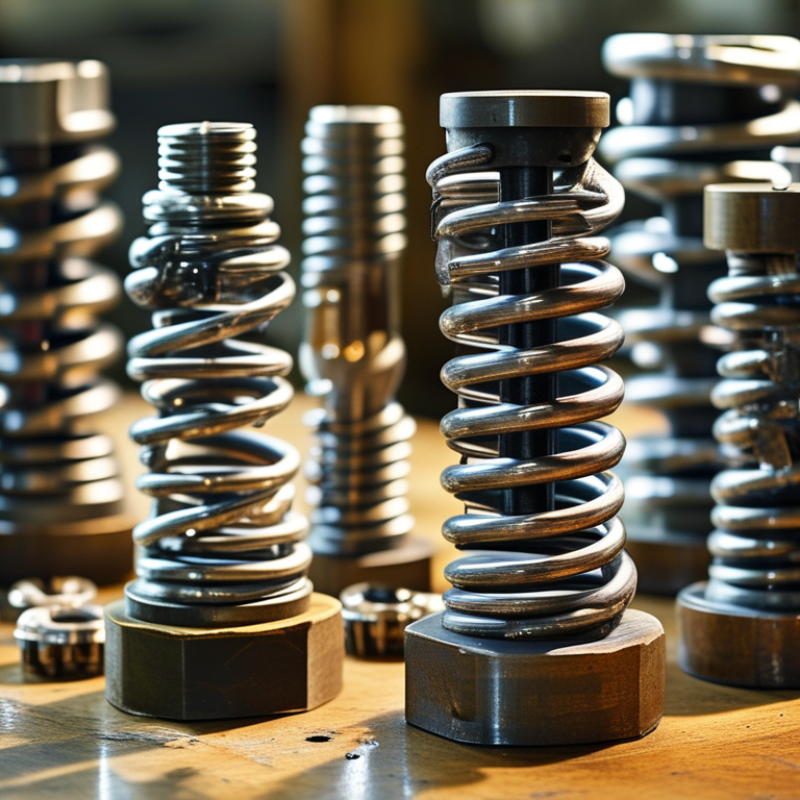
Understanding Die Springs: Types and Applications
Die springs play a crucial role in various industrial applications, including stamping and molding. Understanding their types and applications is essential for achieving optimal performance. Generally, there are two primary types of die springs: compression and extension springs. Compression springs are widely used when uniform pressure is required. In contrast, extension springs are suitable for applications that need resistance during stretching.
According to industry reports, die springs can withstand significant loads—up to 50% more than standard springs. This higher capacity allows them to function effectively in high-stress environments. For example, a well-calibrated die spring can maintain performance in high-speed operations, which enhances productivity. However, selecting the right type involves evaluating factors like load capacity, spring rate, and travel distance.
One must consider the application specifics. For instance, not all die springs will meet the demands of aggressive stamping processes. The risk of fatigue and failure can increase if the wrong spring is chosen. Regular assessments and replacements are vital. Users should reflect on their choices and understand that even minor specifications can lead to significant performance variations. Making informed decisions based on reliable data will ensure the longevity and efficiency of the die springs in use.
How to Choose Die Spring for Optimal Performance? - Understanding Die Springs: Types and Applications
| Type of Die Spring | Material | Load Capacity (kg) | Free Length (mm) | Applications |
| Compression Spring | Music Wire | 200 | 50 | Punching Dies |
| Tension Spring | Stainless Steel | 150 | 40 | Mechanical Assemblies |
| Extension Spring | Oil Tempered Wire | 180 | 60 | Automotive Components |
| Die Spring (Heavy Duty) | Cold Drawn Wire | 250 | 70 | Metal Stamping |
| Die Spring (Standard) | Chrome Silicon | 220 | 55 | Injection Molding |
Key Factors in Selecting Die Springs for Specific Uses
Selecting the right die spring can significantly impact the performance of your project. Key factors include load capacity and material composition. Accurate load calculations are essential. Studies show that nearly 30% of die spring failures arise from incorrect load estimates. Ensure you understand the force requirements of your application.
The material chosen affects not only durability but also elasticity. Springs made from high-carbon steel offer better fatigue resistance than those made from standard materials. Reports indicate that using high-quality steel can improve the lifespan of die springs by over 25%. Yet, the misconception that all steel types perform similarly can lead to poor choices.
Consider the operational environment too. Corrosion-resistant coatings may be necessary in humid conditions. Ignoring this factor can result in premature failure. According to industry data, 15% of spring-related failures are linked to environmental neglect. Reflecting on these aspects is crucial for achieving optimal results.
Material Considerations for Die Spring Durability and Performance
When choosing die springs, material considerations play a critical role in both durability and performance. The most common materials used in die springs include music wire, oil-tempered wire, and stainless steel. Each material possesses unique properties that affect the spring's fatigue resistance and load capacity. According to industry reports, music wire springs can handle up to 50% more cycles than oil-tempered springs, making them a reliable choice for high-performance applications.
The choice of coating and heat treatment also influences spring longevity. Coatings can offer resistance to corrosion and wear. However, some coatings can alter the spring's mechanical properties. A comprehensive study indicated that poorly applied coatings could reduce the spring’s effectiveness by nearly 15% due to uneven stress distributions. This highlights the importance of proper application techniques in maintaining performance.
It is essential to analyze load requirements and installation conditions. A recent analysis pointed out that improper spring selection can lead to premature failure. This occurs when springs are subjected to extreme stress or misalignment. Ignoring these factors not only hampers performance but can also lead to costly downtime and repairs. Additionally, industry experts recommend regular inspections to ensure optimal performance and longevity of die springs, as wear can significantly impact their operational efficiency.
Sizing Die Springs: Load, Travel, and Force Requirements
Choosing the right die spring involves understanding various parameters, including load, travel, and force. Load requirements are crucial. A spring must support the weight of the components it holds. Too weak, and it fails. Too strong, and it can damage components. Accurately assessing the load ensures optimal function and longevity.
Travel distance also impacts spring selection. Springs need to compress and extend without hitting limits. Measuring the required travel ensures that the spring operates efficiently within its range. Miscalculating this can lead to either wasted resources or mechanical failure. A well-calibrated spring provides better performance and durability.
Force requirements depend on the application's specific dynamics. Different applications demand varied force levels. Ignoring this can lead to underperformance or excessive wear on machinery. Balancing these aspects while calculating spring performance can be challenging. Regular testing and adjustments may be necessary to achieve ideal results. This iterative process can help in finding the perfect spring. The more precise the sizing, the longer the springs will sustain their functionality.
Maintenance Tips for Prolonging Die Spring Lifespan and Efficiency
Die springs play a crucial role in various industrial applications. To maintain their efficiency, routine care is essential. Regular cleaning prevents debris accumulation that can lead to spring wear. A simple solution is to use a soft brush, avoiding harsh chemicals that could damage the coating.
Monitoring the springs’ load is vital. Overloading can reduce their lifespan significantly. It’s important to follow recommended load specifications. If you notice any deformation, that could indicate overuse or misalignment. Performing visual inspections periodically helps catch potential issues early.
Lubrication is another key factor. A light, appropriate lubricant can enhance performance and reduce friction. However, over-lubricating may attract dust and grime. Balance is critical. Record the lubrication schedule, ensuring consistency without excess. Reflecting on these practices can teach us more about optimal usage and impending failures. Adjusting maintenance routines as observed can prolong the springs' lifespan while ensuring reliable performance.
 Skip to content


 English
 Russian
  German
  Spanish
  French
  Portuguese