How to Choose the Right Copper Pipe Fittings for Your Project?
Choosing the right Copper Pipe Fittings is crucial for the success of any plumbing project. According to a report by the American Copper Association, copper fittings are favored in over 80% of plumbing applications due to their durability and reliability. Industry expert John Smith emphasizes, “The choice of fittings often determines the overall efficiency of the system.”
Many project managers overlook the impact of proper fitting selection. This can lead to leaks and inefficiencies. With copper's ability to resist corrosion and maintain temperature, it is essential to consider specific project needs carefully. Moreover, not every type of fitting suits every application. Variations in size, shape, and material are critical. Knowledge of these differences is essential to ensure optimal performance.
Reliability in plumbing relies heavily on using appropriate Copper Pipe Fittings. However, even experienced professionals can make mistakes. Choosing the wrong fitting can lead to costly repairs. Learning about these nuances is part of the experience. Selecting fittings is not just a routine task; it demands thoughtful consideration and expertise.
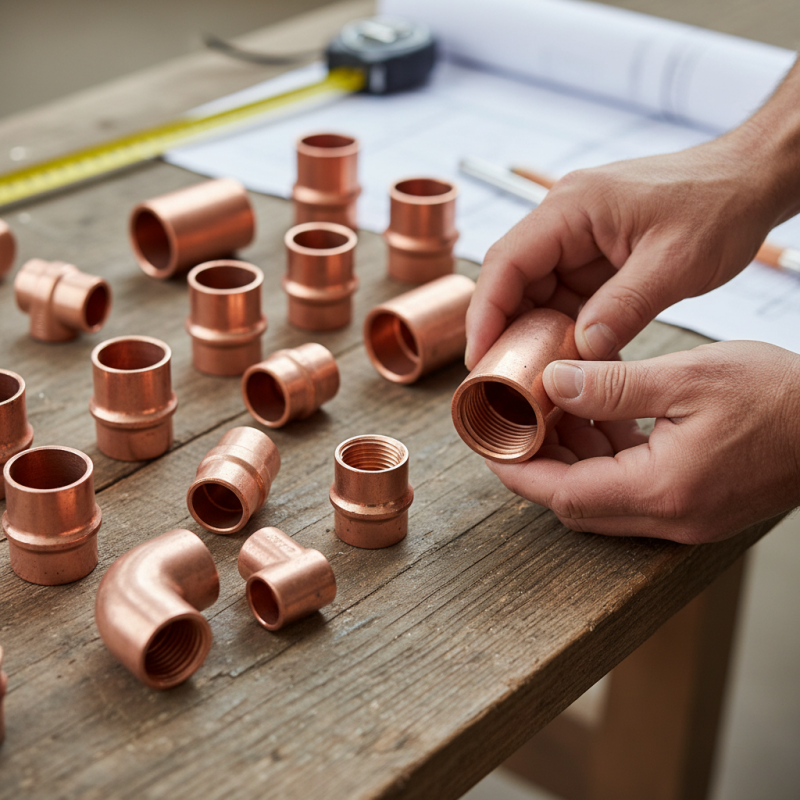
Understanding the Types of Copper Pipe Fittings and Their Applications
When selecting copper pipe fittings, understanding the types available is essential. The main types include elbows, tees, couplings, and caps. Each serves a specific function in plumbing. Elbows help change the direction of piping, while tees allow for branching off to another line. Couplings are used to connect two pipes, and caps seal the end of a pipe.
Consider the application of each fitting type. For example, elbows are critical in tight spaces where straight runs aren't feasible. Similarly, tees are useful in systems needing to expand towards different directions. Knowing the materials' compatibility plays a vital role too; not all fittings work well with every type of pipe, leading to potential leaks.
It's easy to underestimate the importance of choosing the right fittings. Many overlook the nuances of size and thread types, which can lead to fitting mismatches. This could result in wastage or costly repairs later. Inspect each fitting closely before installation. Reflecting on your choices ensures a reliable and sturdy plumbing system that stands the test of time.
Evaluating the Sizing Standards for Copper Pipe Fittings in Plumbing Projects
When working on plumbing projects, choosing the right copper pipe fittings is critical. Sizing is an essential factor that impacts functionality and efficiency. Standard sizing is usually defined by the outer diameter (OD) of the pipe. Knowing the correct dimensions helps ensure a tight fit and minimizes leaks. It’s essential to consult sizing charts for proper compatibility, but inconsistencies can still occur due to manufacturing variances.
Understanding the common sizes, such as ½ inch or ¾ inch, can simplify your selection process. Nevertheless, measurement errors sometimes happen. Even slight differences can lead to significant issues during installation. Using calipers to double-check measurements can prevent headaches later on. In addition, keep in mind that proper adjustments might be necessary when connecting to existing pipes or fixtures.
Another point to consider is the type of fitting you need. There are various types, like elbows, tees, and couplings. Each serves a unique purpose in your plumbing system. It's crucial to match the fitting type with your project’s requirements. However, you might find yourself overthinking the options available, which could lead to delays. Take your time and ensure your choices reflect your project needs without unnecessary complications.
How to Choose the Right Copper Pipe Fittings for Your Project?
| Fitting Type | Nominal Size | Outside Diameter (OD) | Wall Thickness | Common Uses |
| Coupling | 1/2" | 0.625" | 0.040" | Connecting two pipes |
| Elbow | 3/4" | 0.875" | 0.045" | Directing flow at an angle |
| Tee | 1" | 1.125" | 0.049" | Branching pipelines |
| Cap | 1/2" | 0.625" | 0.040" | Sealing the end of a pipe |
| Reducer | 1" x 3/4" | 1.125" x 0.875" | 0.049" x 0.045" | Connecting different size pipes |
Assessing Material Quality and Specifications of Copper Fittings
When assessing copper fittings for your plumbing project, focus on material quality first. Copper is a durable choice, but not all copper fittings are equal. Look for specifications that meet industry standards. This includes copper thickness and purity. Higher purity materials often provide better longevity and performance.
Consider the intended application. For instance, some fittings are better suited for hot water systems, while others excel in cold applications. Pay attention to the fitting type: solder, compression, or push-fit. Each has unique properties and installation requirements. It’s crucial to select the correct type to ensure system reliability.
Manufacturers may claim high quality, yet not all can be trusted. Research and read reviews. Check for certifications or testing standards. If possible, consult experts in your area. They may offer insights you hadn’t considered. Remember, making an informed choice will save time and resources in the long run.
Identifying Common Industry Standards for Copper Fitting Durability
When selecting copper pipe fittings, durability is paramount. The American Society for Testing and Materials (ASTM) provides standards that outline the quality required for various applications. For instance, ASTM B280 specifies the minimum thickness for copper tubing, ensuring that it can withstand high pressure and temperature. This means that thinner pipes may not be suitable for heating applications, potentially leading to leaks.
Industry reports reveal that improper selection of fittings can lead to costly repairs. A study conducted by the Copper Development Association (CDA) indicates that nearly 30% of plumbing failures are linked to substandard materials. Common issues include corrosion and mechanical failure, which can be traced back to fittings that do not meet specified standards. Professionals should pay attention to the copper alloy used; C12200 is commonly cited as a durable option.
Regular inspections of fittings can mitigate long-term issues. Inspectors look for signs of wear, especially in areas where movement occurs. It's essential to choose products that comply with industry standards to ensure integrity. There remains a risk, however, in the assumption that all fittings are created equal, highlighting the need for thorough research before making a purchase.
Determining Cost-Effectiveness and Longevity of Different Copper Fitting Types
When choosing copper pipe fittings, cost-effectiveness and longevity should be at the forefront of your decision. Different types of copper fittings serve various purposes. For instance, soldered joints may last longer but require more skill to install. This often raises installation costs, which can affect your budget.
Consider compression fittings as an alternative. They are easier to install but may not last as long under high-pressure conditions. The longevity of each type also depends on environmental factors. Corrosive conditions can shorten the lifespan of any fitting. Regular maintenance becomes vital to ensure that seals remain intact.
In analyzing the cost-effectiveness aspect, weigh initial costs against potential long-term savings. Investing in high-quality fittings can reduce future repair costs. Relying on cheaper options could lead to recurring issues. This creates an opportunity for reflection on your project’s overall goals. Prioritize the right balance for your specific needs.
 Skip to content

 English
 Russian
  German
  Spanish
  French
  Portuguese