How to Choose the Best CNC Accessories for Your Projects?
When embarking on a CNC project, selecting the right CNC Accessories can significantly impact your results. Each accessory plays a unique role. It is essential to understand what your specific needs are. From bits to clamps, the choices are vast. The right tools can enhance precision and efficiency. However, the wrong accessories can lead to frustration and wasted resources.
Navigating the world of CNC accessories may feel overwhelming at first. You might find yourself second-guessing your decisions. It is easy to get drawn into the latest trends or the most expensive options. However, it is crucial to assess what works best for your projects. Sometimes, the simplest solutions yield the best results. Asking for advice or researching specific products can save time and trouble.
Investing in quality CNC accessories should align with your goals. While it’s tempting to opt for flashy features, practicality should come first. Reflect on your previous projects. Did certain accessories hinder your work? Identifying these areas can guide your future purchases. Your choice of accessories can ultimately define the quality and success of your CNC endeavors.
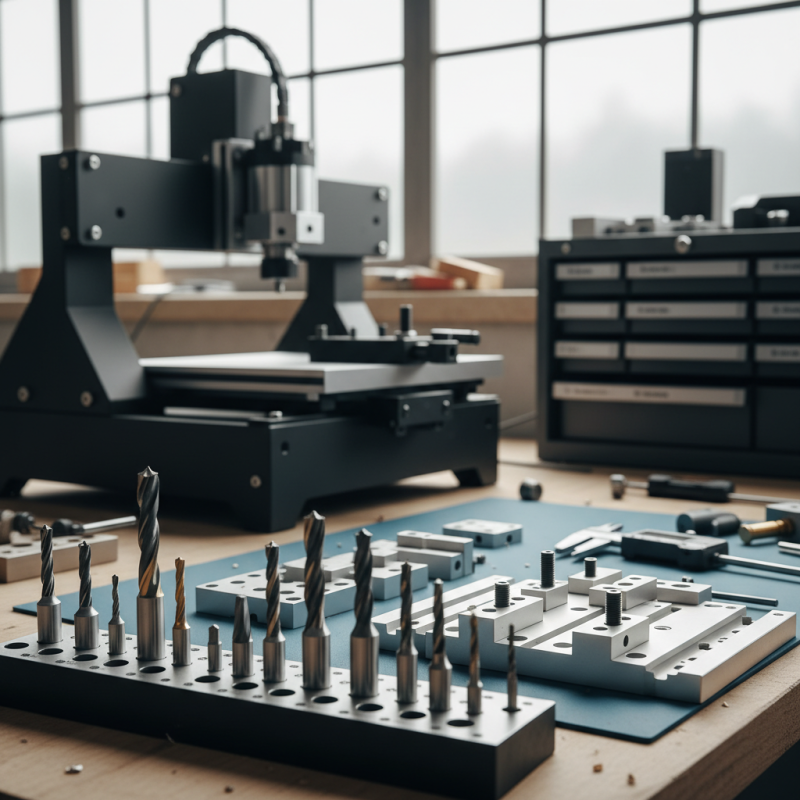
Understanding CNC Accessories: Key Components and Their Functions
CNC accessories are vital for enhancing the functionality of your projects. Each component plays a specific role. For instance, cutting tools come in various shapes and sizes. They determine the quality of your machined parts. Selecting the right tool is crucial. It can make or break your designs.
Another key accessory is the work holding system. It secures materials during cutting processes. A stable hold minimizes vibration and increases precision. However, some may overlook this component, leading to inaccuracies. Additionally, coolant systems help dissipate heat. Choosing the right coolant can prevent tool wear. Yet, many users may not fully understand its impact.
Software is equally important in managing CNC machines. Good software simplifies the programming process. It translates designs into machine code. However, a steep learning curve can deter some users. Ensuring compatibility between software and hardware is essential. Mismatches can result in frustrating delays and errors. Overall, understanding these components allows for more informed choices, leading to better project outcomes.
Evaluating Project Requirements: Matching CNC Accessories to Your Needs
When selecting CNC accessories, understanding your project requirements is crucial. Analyze the materials you'll be working with. Different accessories perform better with specific materials. A 2022 industry report indicates that CNC tools optimized for wood, plastic, or aluminum can enhance both precision and efficiency by up to 30%. Choosing the wrong accessory can lead to subpar results or damages.
Consider the complexity of your designs. Intricate projects might benefit from specialized accessories like finers or specialized holders. These accessories may seem excessive, but they significantly improve workflow in demanding tasks. Small details make a big difference.
Tips: Always keep your budget in mind. Investing in high-quality accessories pays off, but don't overspend on unnecessary features. Regularly evaluate the performance of your accessories. If a tool consistently underperforms, consider alternatives. Reflections on past projects can guide your future choices. Prioritize accessories that truly meet your needs, rather than following trends.
Material Compatibility: Selecting Accessories for Different Workpieces
When selecting CNC accessories, understanding material compatibility is crucial. Different workpieces require specific tools and fixtures to achieve optimal results. For example, metals like aluminum need strong cutting bits, while softer materials can use less aggressive tools. Make sure to match your accessory choices to the material at hand.
Tips: Always check the material properties before starting. Consider how hard or soft the material is. You can also experiment with various accessories to see what works best. This will help you refine your selection over time.
Incompatible accessories can lead to poor outcomes and wasted material. A lightweight drilling tool may fail on dense hardwood. The right accessory not only enhances the project quality but also saves time and frustration. Reflect on past mistakes when choosing tools; learn from them.
Tips: Keep a journal of your projects. Note which accessories worked well with specific materials. This record will guide future selections and improve efficiency. Stay open to redefining your approach as you gain experience.
Precision and Accuracy: Importance of Tolerance in CNC Accessories
When it comes to CNC accessories, precision and accuracy matter greatly. Tolerance is a key factor that directly impacts the performance of your projects. A slight deviation can lead to significant issues in fitting and performance. It’s crucial to choose accessories that meet the specific tolerances required for your work.
Tips: Always check the specifications for each accessory. Don't assume they will fit perfectly. Measure your parts and compare them to the accessory tolerances.
Different materials behave differently during machining. Metal, plastic, and wood all have unique properties. Understanding these differences is essential. A mismatch in tolerance can result in weak joints or poor finishes. Many enthusiasts face this challenge without realizing its importance.
Tips: Experiment with different accessories to see how they affect your results. Keep track of what works and what doesn't. Learning from these experiences is vital for improvement.
Finding the right accessory may take time. One wrong choice can lead to frustration. It's important to reflect on your selections and refine your approach. Embrace the learning process. Every mistake teaches valuable lessons in precision and design.
Cost vs. Quality: Balancing Budget with Performance in CNC Tools
Choosing the right CNC accessories is not just about cost. It's about finding a balance between quality and budget. Some may opt for cheaper tools. This can lead to issues, such as poor performance and inconsistency in projects. Low-quality accessories may wear out quickly. It’s essential to evaluate how often you will use each tool.
When selecting accessories, consider your specific needs. Determine the type of materials you will be working with. Some tools work better with specific materials. Investing in a few high-quality pieces may save you money in the long run. It reduces the need for frequent replacements. However, some may feel tempted to buy everything at once. This mindset can lead to overspending on unnecessary tools.
The performance of CNC tools can vary greatly. Sometimes, lower-priced items meet basic needs but lack finesse. Examine your project requirements closely. Cheap accessories may seem appealing, but they often compromise quality. Reflection on past purchases can guide future decisions. Always remember that good tools are an investment in craft quality. Budgeting wisely can enhance overall project satisfaction.
 Skip to content


 English
 Russian
  German
  Spanish
  French
  Portuguese