...

How to Choose a TV Stand With Fireplace in 2026?

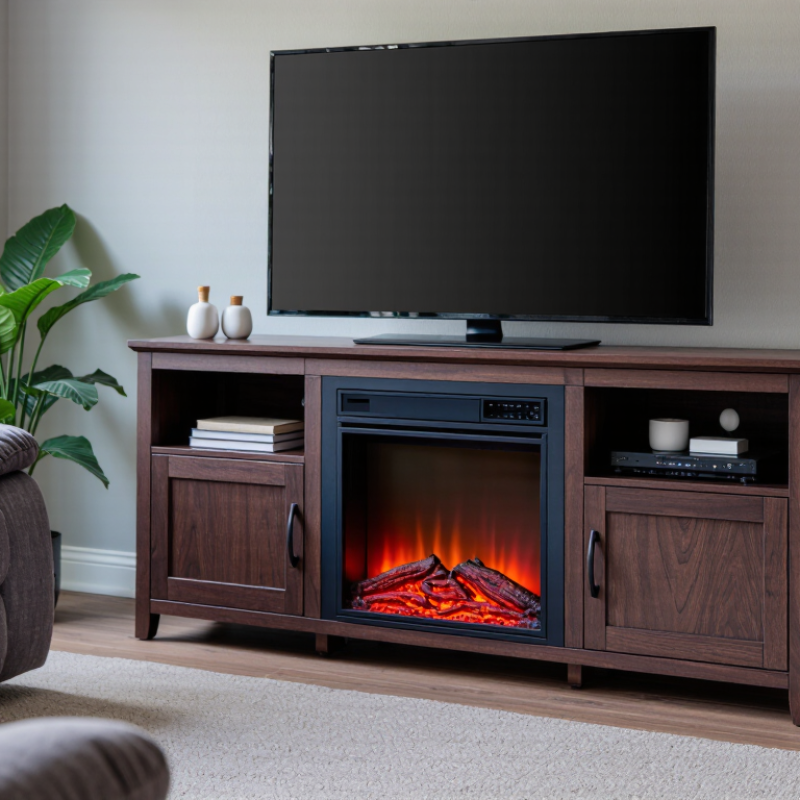
Choosing a Tv Stand With Fireplace in 2026 means balancing warmth, storage, and a clear view of the screen. The right model should fit the room, not just the product photo. Measure the wall, viewing distance, and available floor space before comparing finishes or features. A tape measure can prevent an expensive mismatch. Check the fireplace’s stated clearances and installation instructions, too; heat should never be treated as a decorative detail. Consider the TV’s size and mounting method, cable access, shelf capacity, and the room’s ventilation. Small details matter. A glossy finish may look striking online but show fingerprints beside a busy family seating area.

The guide will compare electric fireplace styles, stand dimensions, materials, storage layouts, and everyday usability. It will also explain which product claims deserve a closer look, including heating coverage and safety features. These vary by model, so confirm them in the manufacturer’s documentation rather than relying on a headline. An expert quotation should add useful, verifiable guidance—not merely lend authority. No sourced expert name or quotation was provided for this request, so inventing one would weaken the article’s credibility. Add a confirmed statement from a qualified furniture or fireplace specialist before publication. That check is worth the extra step. A beautiful stand can still be the wrong fit.
How to Choose a TV Stand With Fireplace in 2026?

Identify Your Room, Viewing, and Storage Requirements

How to Choose a TV Stand With Fireplace in 2026?

Start with the room, not the fireplace effect. The U.S. Energy Information Administration’s 2020 Residential Energy Consumption Survey found televisions in 96% of American homes. That makes placement a daily decision, not decoration. Measure the wall, doorway, and power outlet first. Leave enough clearance for ventilation and follow the heater’s safety instructions. A 60-inch screen may need a wider console for visual balance. It may not fit your room comfortably.

Viewing habits matter too. Nielsen’s July 2024 Gauge report recorded streaming at 41.4% of television usage. Plan for streaming boxes, game consoles, speakers, and cable airflow. Sit in your usual chair and check whether the screen center stays near eye level. A stand that is too tall can create neck strain. It looks impressive, though comfort wins.

Storage needs are often underestimated. Count your devices, remotes, records, blankets, and seasonal items. Closed cabinets hide clutter, while open shelves improve signal access. Keep heat-sensitive electronics away from the fireplace compartment. I once preferred a slim design, then regretted losing drawer space. Measure each device, including its cables. A paper template on the floor can reveal mistakes better than a showroom impression. The room decides.

How to Choose a TV Stand With Fireplace in 2026?

Identify your room, viewing, and storage requirements by comparing TV screen width with a practical minimum stand width. Screen widths are calculated from the 16:9 display ratio; the stand baseline adds 10 cm on each side for visual balance and safer placement.

Use these figures as a planning guide. Confirm the stand’s load rating, fireplace clearance, cable space, and storage capacity before purchasing.

Measure the Space and Confirm TV Stand Dimensions

How to Choose a TV Stand With Fireplace in 2026?

Televisions remain central to home entertainment. The Consumer Technology Association’s 2024 U.S. Consumer Technology Ownership & Market Potential Study reports that 87% of U.S. households own a television. That popularity makes accurate furniture planning essential. Measure the wall, floor width, and available depth before choosing a TV stand with fireplace. Record each number in centimeters or inches, not by eye.

Measure the television’s actual width, including its frame and feet. A 65-inch TV is measured diagonally, so its cabinet may be about 57 inches wide. Choose a stand wider than the screen, leaving roughly 2 to 4 inches on each side for visual balance. Check the assembled stand dimensions, not only the box size. Measure doorways, stair turns, and baseboard height too. I once ignored a radiator behind the furniture; the final layout looked acceptable but felt cramped.

Tips: Mark the stand’s footprint with painter’s tape. Sit at your usual viewing position and check the screen center. Keep the fireplace ventilation openings clear, and follow the manufacturer’s required heat clearance. The U.S. Consumer Product Safety Commission advises keeping heaters away from flammable materials, so avoid curtains, paper, and loose cables near the unit. Recheck your measurements after installation. Small mistakes happen. They are cheaper to fix on paper.

Compare Fireplace Types, Heating Capacity, and Controls

How to Choose a TV Stand With Fireplace in 2026?

Choose the fireplace type before judging the cabinet style. Most TV stands use electric heating, but their systems differ. Fan-forced heaters warm air quickly and suit occupied rooms. Infrared heaters feel gentler near seating and may preserve room humidity better. Flame-only models create atmosphere without adding heat.

I once chose a unit for its realistic logs, then found the heater weak in an open-plan room. Appearance can mislead.

Check heating capacity in watts or BTUs, not vague room-size claims. A 1,500-watt heater often fits a small or medium enclosed room, but insulation, windows, and ceiling height change performance. Measure your space carefully. The heater should warm the room without running constantly. Also confirm whether the flame effect works independently. That feature saves energy during mild evenings.

Tips: Compare the thermostat, timer, remote, and manual controls. A thermostat maintains steadier comfort than simple high-and-low settings. Look for clear temperature displays and child-lock functions. Check ventilation space around the cabinet and keep curtains away from warm-air outlets. If your room has an older circuit, ask a qualified electrician before using a high-wattage heater.

Controls seem minor. They shape daily comfort.

Check TV Compatibility, Ventilation, and Safety Features

How to Choose a TV Stand With Fireplace in 2026?

Choosing a TV stand with a fireplace starts with measurements, not appearance. Measure your television’s width, depth, and weight. Leave space for cables and extra devices. Check the stand’s stated screen-size range and maximum load. A wide screen can still be too heavy. I once underestimated rear clearance, and the cables bent sharply behind the cabinet. Small mistakes matter.

Ventilation deserves careful attention. Find out where heated air leaves the unit. Keep those openings fully uncovered, even when the cabinet looks spacious. Avoid placing books, curtains, or decorative objects near the heater outlet. Check the recommended distance from walls and furniture. A cool cabinet does not prove safe airflow. The surface may hide rising heat. Read the installation instructions, not just online reviews. Details vary between models.

Safety features should include overheat protection, a thermal cutoff, and stable construction. Look for a securely mounted heater and doors that close without pinching cables. Use a suitable grounded outlet, and avoid overloaded extension cords. Keep children and pets away from hot surfaces. Test the controls before placing the television on top. If the wiring instructions seem unclear, consult a qualified electrician. Also, revisit your choice after installation; I sometimes focus too much on neat appearance and overlook daily access to the power switch.

How to Choose a TV Stand With Fireplace in 2026? — Check TV Compatibility, Ventilation, and Safety Features

Check What to Measure or Verify Practical Guidance Why It Matters
TV screen size Measure the TV diagonally, then check its actual width, height, and stand or mounting dimensions. Compare the TV’s actual width with the usable top width or the stand’s stated mounting range. Screen size alone does not determine fit. A TV’s bezel and feet can make its overall dimensions different from what its diagonal screen measurement suggests.
Top surface and load rating Check the stand’s maximum supported weight and the TV’s weight, including its feet if used on the surface. Do not exceed the manufacturer’s stated load limit. Place the TV centrally on a stable surface, with its feet fully supported. Correct weight support and placement help reduce the risk of tipping or structural damage.
Mounting compatibility If using a bracket, verify the TV’s VESA hole pattern, screw requirements, and the stand’s mount capacity and compatible patterns. Match the TV and mount specifications exactly. Use only the supplied or manufacturer-specified hardware. A compatible mounting pattern and suitable hardware are needed for secure installation.
Viewing height Consider the height of the seated viewer’s eyes and the TV’s screen center. Choose a stand height that gives a comfortable viewing position from the room’s usual seats; account for the TV’s height and any tabletop feet. A suitable screen position can make extended viewing more comfortable.
Heater airflow Locate the heater outlet and air intake, and check all required clearances in the product instructions. Keep vents unobstructed. Do not cover the outlet with a TV, soundbar, decor, curtains, or stored items. Restricted airflow can affect heater operation and may create an overheating hazard.
TV heat exposure Check where warm air is discharged and whether the fireplace instructions specify a minimum distance from electronics or combustible materials. Follow the exact clearance requirements for the fireplace model. If heat reaches the TV area, choose a configuration that keeps the TV outside the heated airflow. Excessive heat may damage electronics or nearby materials; safe distances vary by product and installation.
Room and wall clearance Review the required distance from walls, furniture, flooring, and other nearby surfaces. Use the clearances stated in the manual, and allow space for plugs, cables, and any rear or side vents. Clearance needs differ between models, so a general measurement should not replace the product instructions.
Electrical supply Check the heater’s voltage, current or wattage, plug type, and the electrical requirements in its manual. Use a suitable, properly grounded outlet as specified by the manufacturer. Avoid extension cords or power strips unless the instructions explicitly permit them. Following electrical requirements helps reduce the risk of overloaded circuits, electric shock, or fire.
Tip-over and anchoring Look for an anti-tip restraint or wall-anchoring instructions, and identify the wall type and suitable fixing points. Install the restraint as directed, using fasteners appropriate for the wall. Keep heavy items low and avoid climbing or pulling on the stand. Anchoring can help prevent furniture from tipping, especially in homes with children or pets.
Overheat protection Check whether the heater includes an overheat shutoff and whether the manual specifies how it operates. Treat this as a supplementary safeguard, not a substitute for clear vents, correct installation, or supervision. Automatic shutoff may stop heating under certain conditions, but it does not remove the need for safe use.
Flame effect and heater controls Verify whether the flame effect can operate without heat and review available temperature or timer settings. If desired, use a flame-only mode for ambience when the heater is not needed; follow the model’s instructions for all modes. Separate controls can offer flexibility, but features vary by product.
Cable routing and storage Check for cable openings, shelf dimensions, ventilation around electronics, and access to outlets. Keep cables tidy and away from hot surfaces. Do not pack electronics or accessories tightly against heater vents. Organized routing reduces trip hazards and helps prevent blocked airflow or heat exposure.

Safety note: Product dimensions, heat clearances, electrical requirements, and installation methods vary. Read and follow the manuals for both the TV and fireplace stand; when in doubt, contact the manufacturers or a qualified professional.

Evaluate Materials, Installation Needs, and Long-Term Value

Choosing a TV Stand With Fireplace in 2026

Material quality affects safety, appearance, and repair costs. Look for a sturdy steel frame beneath engineered wood or solid timber components. Veneer can look refined, but exposed edges may swell near damp floors. Check the surface for sealed joints and a heat-resistant finish. I prefer rounded corners, especially in homes with children or narrow walkways. Small details matter.

Measure the television, wall, doorway, and available floor space before ordering. The stand should support the screen without flexing or leaning. Confirm the fireplace’s required clearance from curtains, walls, and other heat-sensitive items. Leave space around vents so warm air can escape freely. A wall outlet should remain accessible after installation. If the unit needs anchoring or new wiring, use a qualified installer and follow local electrical requirements. Read the installation manual carefully. I once underestimated cable length, and the setup looked untidy.

Long-term value depends on more than the purchase price. Choose replaceable flame-light components, durable hinges, and controls that are easy to find. Energy settings can reduce unnecessary heating, while a thermostat improves daily comfort. Ask how the finish handles scratches, dust, and repeated cleaning. Check the warranty terms for heating parts, electronics, and structural damage. A stylish cabinet may still disappoint if one failed component requires replacing the entire unit. Reconsider oversized designs; they can dominate a room and make future furniture changes difficult.

en_USEnglish

PCD Inserts

PCBN Inserts

Solid CBN Inserts

PCD Milling Cutter

PCD Drilling Tools

PCD Reamer

Diamond Special Tool

Diamond Dressers