How to Choose the Best Hydraulic Press for Your Needs?
Choosing the best hydraulic press for your needs can be a daunting task. With many options available, understanding your requirements is crucial. A hydraulic press is an invaluable tool in various industries, from automotive repair to metalworking. Each hydraulic press type serves different functions, making it essential to find the right fit.
Consider the capacity you require. Some projects demand a press with high pressure and tonnage. Others may need smaller, more compact models. Quality should not be overlooked. A reliable hydraulic press must meet industry standards for safety and durability. Researching manufacturers is vital before making a purchase. Reviews often reveal both strengths and weaknesses of different models.
Real-life experience makes a difference when selecting the right equipment. Ask colleagues or online communities about their favorite presses. Sometimes, the best advice comes from those who have faced similar challenges. Ultimately, investing time in research pays off. You'll gain confidence and clarity in your decision-making process.
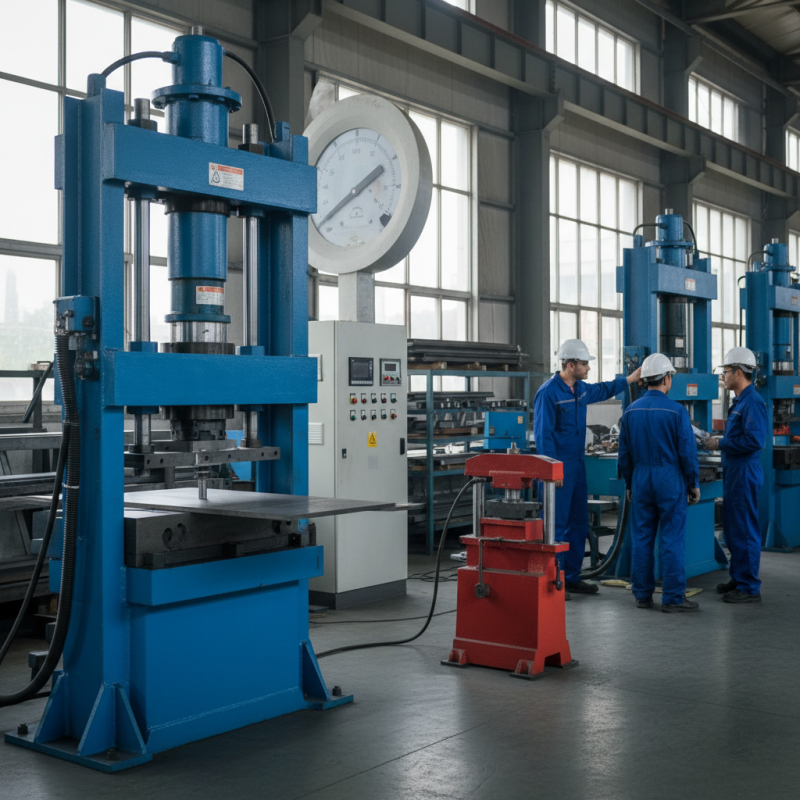
Understanding Different Types of Hydraulic Presses Available on the Market
When selecting a hydraulic press, understanding the variations available is crucial. The market offers several types, including H-frame, C-frame, and bench hydraulic presses, each tailored for distinct applications. An H-frame press is robust and ideal for heavy-duty tasks, while C-frame presses are compact. They are more suitable for smaller jobs but can still handle substantial pressure.
Recent industry studies indicate that the hydraulic press market is expected to grow at a compound annual growth rate (CAGR) of 5.1% between 2021 and 2026. This growth reflects increasing demand across sectors like automotive and aerospace manufacturing. Depending on your needs, you may require a single-action or double-action press. Single-action presses deliver consistent pressure, suitable for metal forming and assembly. In contrast, double-action presses allow for more complex operations, making them popular in diverse manufacturing processes.
Each type of hydraulic press has dedicated features. For instance, pay attention to the tonnage rating. A higher tonnage rating means the ability to handle larger loads but can lead to over-specification for smaller jobs. Also, consider the ease of use and maintenance. Hydraulic fluid quality plays a vital role here. Poor fluid may lead to inefficiencies and safety issues. Analyze your specific requirements carefully to choose the right press, as the wrong decision can lead to operational setbacks.
Evaluating Your Specific Needs for a Hydraulic Press Based on Applications
When selecting a hydraulic press, understanding your specific applications is crucial. Consider what materials you will be working with. Will you press metals, plastics, or composites? Each material has different requirements for pressure and tonnage. Evaluating these factors ensures you choose a press that can handle your needs effectively.
Another important aspect is the size and capacity of the hydraulic press. Assess your workspace and the dimensions of the items you will be pressing. A compact model might work for small projects. However, large-scale operations require bigger presses with higher capacity. Reflect on your long-term goals. Is your project on a small scale now but could expand later? This influences your choice significantly.
Lastly, think about the speed of operation you require. Some applications benefit from quick cycles, while others can afford slower processing. It’s okay to feel uncertain about these details. Taking the time to analyze your needs will lead to a more informed decision. A well-chosen hydraulic press enhances productivity and ensures quality work, making your investment worthwhile.
Hydraulic Press Applications and Frequency of Use
Key Features and Specifications to Consider When Choosing a Hydraulic Press
When choosing a hydraulic press, focus on its tonnage capacity. The right pressure can significantly impact your projects. A press with a capacity of 10 to 20 tons is often suitable for lighter tasks. However, heavier applications may require up to 50 tons. A recent industry report revealed that presses between 20 to 30 tons are the most commonly used in workshops. This reflects their versatility and effectiveness.
Pay attention to the design and build quality. A well-constructed hydraulic press ensures durability and safety during operations. Look for features like adjustable heights and multiple pressing speeds. These design elements improve efficiency and adaptability. Additionally, consider the hydraulic system. A dual-acting cylinder can provide faster operation. This can enhance your workflow in production environments.
Don't underestimate the importance of safety features. A reliable hydraulic press should come with built-in safeguards. Look for overload protection and emergency stop buttons. These features can prevent accidents and equipment failure. Research shows that 25% of hydraulic press accidents stem from inadequate safety measures. Make informed choices to protect yourself and your team.
Comparing Price Ranges and Budget Considerations for Hydraulic Presses
When choosing a hydraulic press, the price range is a vital consideration. Hydraulic presses vary significantly in cost, from budget-friendly models to high-end options. The price often reflects the build quality, capacity, and features. Budget models may utilize lighter materials and have lower weight limits. They might perform well for light tasks but fall short for heavy-duty applications.
Investing in a higher-end hydraulic press can yield better reliability and longevity. Look for features like adjustable pressure and safety mechanisms. These aspects improve usability and ensure safety during operation. However, if your needs are minimal, it might be wiser to stick with a more affordable option.
Consider the long-term costs of maintenance and repairs too. Cheaper models may require frequent servicing, leading to unexpected expenses. Reflecting on your actual needs and future projects will help determine the best fit for you. Balancing quality and budget can be challenging. Therefore, spending time reviewing specifications and user experiences is essential to make an informed choice.
How to Choose the Best Hydraulic Press for Your Needs? - Comparing Price Ranges and Budget Considerations for Hydraulic Presses
| Model Type | Price Range | Pressure Capacity (Tons) | Work Area (Inches) | Power Source | Typical Uses |
| Manual Hydraulic Press | $150 - $300 | 5 - 12 | 10 x 10 | Manual | Light assembly, repair work |
| Electric Hydraulic Press | $700 - $1,500 | 10 - 30 | 12 x 12 | Electric | Manufacturing, metal forming |
| Pneumatic Hydraulic Press | $800 - $2,000 | 10 - 50 | 15 x 15 | Pneumatic | High-speed assembly, packaging |
| H-frame Hydraulic Press | $1,000 - $3,000 | 20 - 50 | 12 x 24 | Electric or manual | Automotive repair, metal stamping |
Safety Features and Maintenance Tips for Operating Hydraulic Presses
When operating a hydraulic press, safety should always be the top priority. These machines exert immense pressure, making proper safety features essential. Look for models that include safety guards and pressure relief valves. A two-hand control system is vital as it prevents accidental actuation. Always inspect the hydraulic press for any damage before use. This can help identify potential risks.
Regular maintenance is crucial for reliable operation. Check the hydraulic fluid levels frequently. Contaminated fluid can lead to malfunctioning. Lubricate moving parts as recommended by the manufacturer to ensure smooth operation. Always keep the work area tidy to avoid accidents during operation. Paying attention to these details can greatly reduce risks and enhance performance.
Tips: Remember to wear appropriate personal protective equipment at all times. Gloves and goggles can prevent injuries. Additionally, ensure that your workspace is free from distractions. A clear and focused environment helps maintain safety and efficiency. Simple steps like these can make a big difference.
 Skip to content


 English
 Russian
  German
  Spanish
  French
  Portuguese