How to Choose the Best Medical and Surgical Lighting Solutions?
Choosing the right Medical And Surgical Lighting is vital for any healthcare facility. Proper lighting enhances visibility and accuracy during procedures, impacting patient outcomes. Medical and surgical lighting goes beyond mere illumination. It involves innovative technology designed to meet specific needs.
In today's healthcare landscape, the options are vast. Surgeons require focused, shadow-free lighting to perform delicate tasks. The intensity and color temperature of the lights can greatly affect the clarity of the surgical field. Yet, with diverse choices, picking the best fit can be overwhelming. Stakeholders must consider various factors, from brightness levels to energy efficiency.
Reflection is essential in this decision-making process. Are the current lighting solutions meeting the evolving needs of healthcare professionals? It’s crucial to seek expert input and stay updated on advancements in medical and surgical lighting. By prioritizing quality lighting, medical facilities can significantly improve their operational success and patient care.
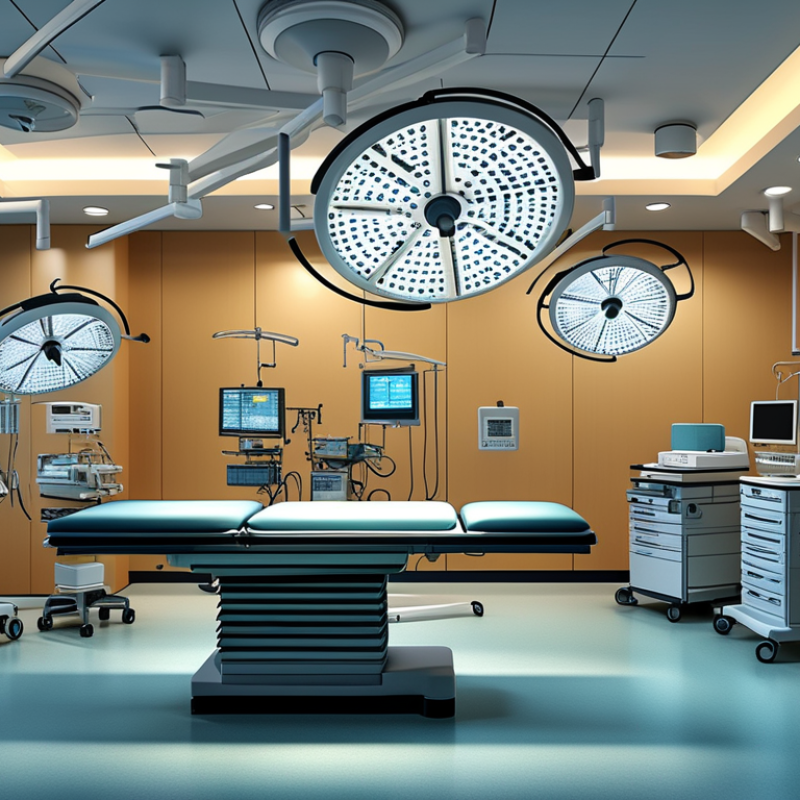
Understanding the Importance of Medical and Surgical Lighting
Medical and surgical lighting plays a vital role in healthcare environments. It ensures precision during procedures and enhances visibility. The clarity of light can significantly impact surgical outcomes. Improper lighting may lead to complications. Surgeons and medical staff need to see every detail clearly.
The right lighting solutions should reduce shadows and prevent glare. High-quality, adjustable lights can improve visualization during surgeries. However, many facilities overlook the importance of an adequate lighting design. This can result in inefficiency and safety risks. It is crucial to consider the specific needs of each medical procedure when selecting lighting.
Choosing the right lighting is not just about brightness. Factors such as color temperature and positioning are essential. Color rendering affects how tissues and organs appear under light. Inadequate lighting can hinder a surgeon's ability to interpret crucial details. This underscores the need for thoughtful consideration in lighting choices.
Key Factors to Consider in Lighting Selection
Choosing the right medical and surgical lighting is crucial for patient safety and optimal outcomes. One key factor is brightness. Surgeons need sufficient illumination to differentiate tissues accurately. Color temperature also matters. Warm light can reduce eye strain, while cooler light offers clarity.
Another important aspect is adjustability. Lighting that can be customized allows healthcare professionals to modify settings as needed. This flexibility is essential during various procedures. Additionally, shadow reduction is vital. Poor lighting can lead to miscommunication or errors. Effective lighting should minimize shadows on the surgical site.
Lastly, energy efficiency contributes to long-term costs. Solutions with lower energy consumption save money and reduce environmental impact. However, balancing efficiency with brightness and quality is a challenge. It requires careful consideration and expert advice. Overall, the selection process demands thorough research and evaluation of the specific needs of each medical environment.
Types of Medical and Surgical Lighting Solutions Available
When selecting medical and surgical lighting solutions, it’s crucial to understand the various types available. Surgical lights often fall into several categories, including LED, halogen, and fluorescent options. Data from the market analysis show that LED surgical lights are increasingly favored. They offer superior intensity and energy efficiency. Studies indicate that these lights can reduce energy consumption by up to 80% compared to traditional options.
In addition to standard surgical lights, there are also specialized systems, such as exam lights and shadowless lights. Exam lights are designed for diagnostics, providing focused illumination without disturbing the patient. Shadowless lights minimize shadows on surgical fields, enhancing visibility and precision. According to a recent survey, 75% of surgeons report that the quality of lighting directly impacts their performance. This crucial feedback highlights the importance of selecting the right lighting solution.
Lighting configurations can vary, with options like ceiling-mounted, mobile, and wall-mounted fixtures. Each type has its advantages and challenges. For example, mobile lights are versatile but might lack the stability of fixed installations. Consideration of operating room layout is vital. Improper lighting can lead to strain or fatigue among medical staff. Ensuring proper illumination underlines the need for thoughtful selection in surgical environments.
Evaluating the Quality and Performance of Lighting Systems
When evaluating medical and surgical lighting systems, quality and performance are paramount. A well-lit environment is critical for precision in surgical procedures. Look for lights that offer adjustable brightness. This flexibility ensures that healthcare professionals can adapt to various situations. High Color Rendering Index (CRI) values are essential. They enhance visibility and help distinguish tissue types accurately.
Pay attention to the design of the lighting system. Ceiling-mounted options often provide better coverage without obstructing equipment. Additionally, consider the heat generated by the lights. Excessive heat can be uncomfortable for both patients and medical staff. It's vital to strike a balance between brightness and comfort.
Testing the systems before purchase is crucial. Users should observe how the lights perform in real-life scenarios. Engaging with professionals who have hands-on experience can provide valuable insights. Their perspectives on the performance in actual surgeries can clarify the decision-making process. Look for reviews that highlight both pros and cons. This reflective approach ensures that the chosen lighting system meets the diverse needs of modern healthcare environments.
Budgeting and Cost Considerations for Lighting Solutions
When budgeting for medical and surgical lighting solutions, detailed planning is crucial. A report by the Global Market Insights found that healthcare lighting accounts for approximately 20% of a hospital’s overall energy consumption. This statistic emphasizes the importance of not only initial costs but also long-term operating expenses. Facilities should consider energy-efficient options that may involve a higher upfront investment but can significantly reduce operational costs over time.
Analyzing installation costs is equally vital. The average installation price per fixture can range from $500 to $1,500, based on technical specifications. User feedback often highlights the need to balance between functionality and budget constraints. Additionally, maintenance costs can be surprising. Regular upkeep of sophisticated lighting systems can add 15-20% to the initial investment over its lifetime.
Many facilities overlook the hidden costs associated with inadequate lighting. Poorly lit environments can lead to increased patient recovery times and even surgical errors. A study published in the Journal of Surgical Research indicated that optimal lighting conditions can enhance surgical precision by up to 30%. Thus, inadequate budgeting can have ripple effects on quality of care and operational efficiency. Careful budgeting and proactive planning become essential for ensuring that both financial and patient care goals are achieved.
 Skip to content


 English
 Russian
  German
  Spanish
  French
  Portuguese