How to Choose the Best Roll Lamination Machine for Your Needs?
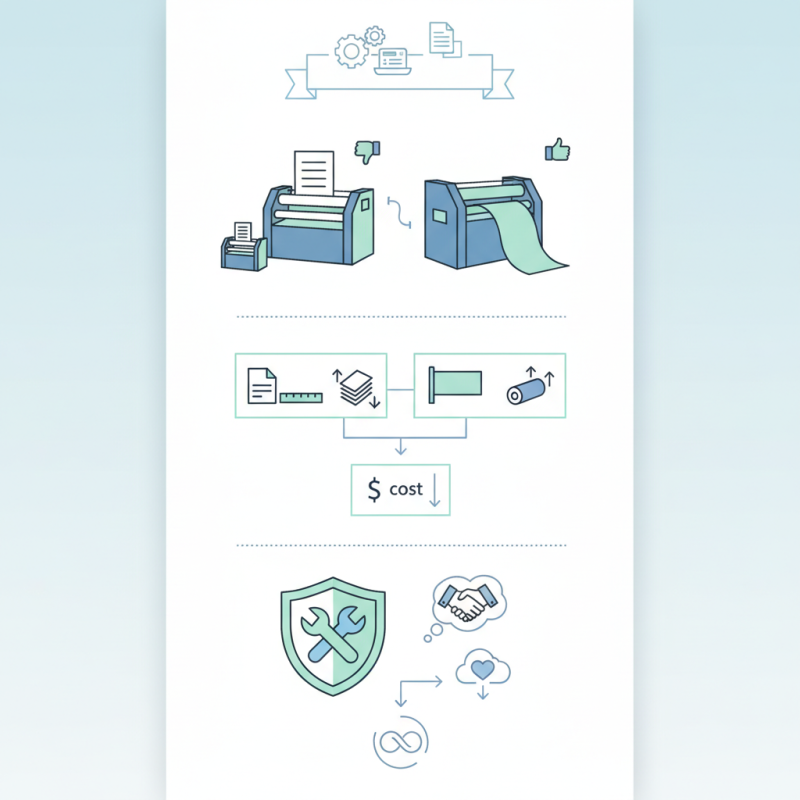
When selecting a Roll Lamination Machine, it's essential to consider several factors. John Smith, a renowned industry expert, emphasizes, "Choosing the right machine can transform your production line." These machines come in various sizes and capacities, tailored to different needs. A machine too small may hinder efficiency, while one too large can lead to unnecessary costs.
Understanding your specific requirements is crucial. Are you laminating small documents or large banners? Assess the thickness and type of materials you'll process. These details impact not just the machine choice, but also operational costs.
However, many buyers overlook one key aspect: service and support. A high-quality Roll Lamination Machine is an investment. Choosing a machine without reliable support can lead to frustration. Don't just focus on features; consider long-term relationships with suppliers. This aspect often deserves more reflection.
Types of Roll Lamination Machines and Their Specific Uses
When selecting a roll lamination machine, understanding the various types is crucial. Hot roll lamination machines use heat to bond materials. They work well for documents that require added durability. You can expect good results with paper, card stock, or photographs. However, these machines can be more complex to operate. Users must monitor the temperature carefully to avoid damaging materials.
Cold roll lamination machines don't require heat. Instead, they rely on pressure to adhere the laminating film to the material. This is ideal for sensitive items, like digital prints, that may warp when exposed to heat. Cold lamination is simpler and often more cost-effective. The trade-off is that the bond may not be as strong as with hot lamination. Consider the intended use carefully.
Both types have specific uses, and neither is perfect. Hot machines can overheat and create bubbles in the laminate. Cold machines might peel over time. Choosing the right machine depends on your priorities: speed, ease of use, or finish quality. Reflect on your needs and how each type aligns.
Key Features to Consider When Selecting a Roll Lamination Machine
When selecting a roll lamination machine, there are key features to consider. One significant factor is the machine's laminating speed. A higher speed can enhance productivity, especially in high-demand environments. Research shows that machines operating at speeds above 10 feet per minute can increase output by at least 30%. However, faster doesn’t always mean better. Assess the quality of lamination at high speeds; poor adhesion can lead to wasted materials and higher costs.
Another crucial feature is the type of laminating film used. Machines can accommodate various film thicknesses, typically ranging from 1.5 to 10 mils. Thicker films provide added protection but can be more challenging to manage. Industry data indicates that using films appropriate for specific applications reduces errors by 25%. Additionally, consider the machine's ease of operation. An intuitive interface can reduce training time. Yet some users find that they still struggle with certain functions. This inconsistency can create bottlenecks in workflow.
Lastly, pay attention to maintenance requirements. Machines that require frequent servicing can disrupt production schedules. Regular maintenance is essential, but it can be a double-edged sword. Overestimating a machine's reliability might lead to unexpected downtime. Balancing these factors is vital for choosing the right roll lamination machine for your specific needs.
Assessing Production Volume and Material Compatibility
When selecting a roll lamination machine, assessing your production volume is essential. A machine that suits a small business may not be adequate for a high-volume operation. Consider how many materials you'll laminate daily. If you only need to laminate a few items weekly, a smaller, more affordable model suffices. But if your operation is larger, opt for a machine designed for higher outputs.
Material compatibility is another crucial factor. Different materials, like paper, plastic, or fabric, require specific settings and types of lamination. It’s vital to evaluate the thickness and texture of the materials you commonly use. Using the wrong settings can lead to waste and subpar results.
Tips: Always test new materials in a small batch first. This prevents larger production errors. Additionally, consult the manufacturer for compatibility charts. If uncertainty persists, seek advice from experienced users in your field. They offer insights which could save you time and resources.
How to Choose the Best Roll Lamination Machine for Your Needs?
| Model | Production Volume (m²/h) | Material Compatibility | Max Film Width (mm) | Price Range ($) |
| Model A | 100 | BOPP, PET | 600 | 3000 - 5000 |
| Model B | 150 | PVC, PETG | 800 | 5000 - 7000 |
| Model C | 200 | BOPP, PVC | 1000 | 7000 - 10000 |
| Model D | 250 | PETG, Nylon | 1200 | 8000 - 12000 |
Budgeting for Your Roll Lamination Machine Purchase
When budgeting for a roll lamination machine, consider various factors. It's crucial to know the costs involved. Machines vary widely in price, from a few hundred to several thousand dollars. Set a realistic budget based on your needs and expected usage. Don't forget to account for additional costs such as maintenance and supplies.
Tips: Research different machine models to compare prices. Look for used equipment if you're working with a tight budget. This can often provide great value. Also, think about the features you need. Sometimes, it’s tempting to go for the most advanced model. Yet, simpler machines may suit your needs perfectly.
Consider potential hidden costs. Shipping fees or installation charges can add up quickly. It's essential to factor in these expenses when determining your budget. Additionally, reflect on your production needs. A machine that seems perfect might be overkill or not sufficient. Take time to measure your requirements accurately. This ensures you make a wise investment in the right machine.
Maintenance Tips for Optimal Performance of Your Lamination Machine
Maintaining a roll lamination machine is crucial for its efficiency. Regular maintenance can extend the machine's lifespan significantly. According to a study by the National Association of Printing Leaders, machines that undergo routine checks can last up to 20% longer compared to those that don’t.
Start with the basics. Clean the rollers after each use to prevent adhesive buildup. Dust and grime can lead to uneven lamination. Check the heating elements regularly, as they are vital for proper adhesion. If they show signs of wear, they should be replaced immediately. Additionally, lubricate moving parts to ensure smooth operation. This may seem minor, but it can save significant repair costs over time.
Monitor operational parameters closely. For example, maintaining recommended temperature and speed settings is critical. Deviating from these can diminish the quality of lamination and cause frequent jams. Also, keep an eye on film quality. Low-quality films can lead to poor results and may damage the machine. Regular assessment of materials used helps in maintaining optimal performance. Keeping detailed records of maintenance activities can also highlight patterns. This may reveal areas needing improvement or more frequent attention.
Performance Metrics of Roll Lamination Machines
 Skip to content


 English
 Russian
  German
  Spanish
  French
  Portuguese