2026 How to Choose the Right Carbon Steel Pipe for Your Needs?
Choosing the right Carbon Steel Pipe is crucial for any project. As industry expert John Smith states, "The right pipe can make or break your system." Understanding the various types and applications of Carbon Steel Pipes is essential for achieving long-lasting results.
Carbon Steel Pipes are widely used due to their durability and strength. Different grades serve specific purposes, and a detailed assessment is necessary. However, many buyers overlook critical factors, like corrosion resistance and pipe size. Not all Carbon Steel Pipes meet every standard, which may lead to unforeseen problems.
When it comes to selecting the right pipe, knowledgeable guidance is invaluable. Every choice impacts the project's outcome. Whether for construction or infrastructure, investing time in research pays off. Be aware of options available and their implications. Making informed decisions can prevent costly mistakes and enhance performance.
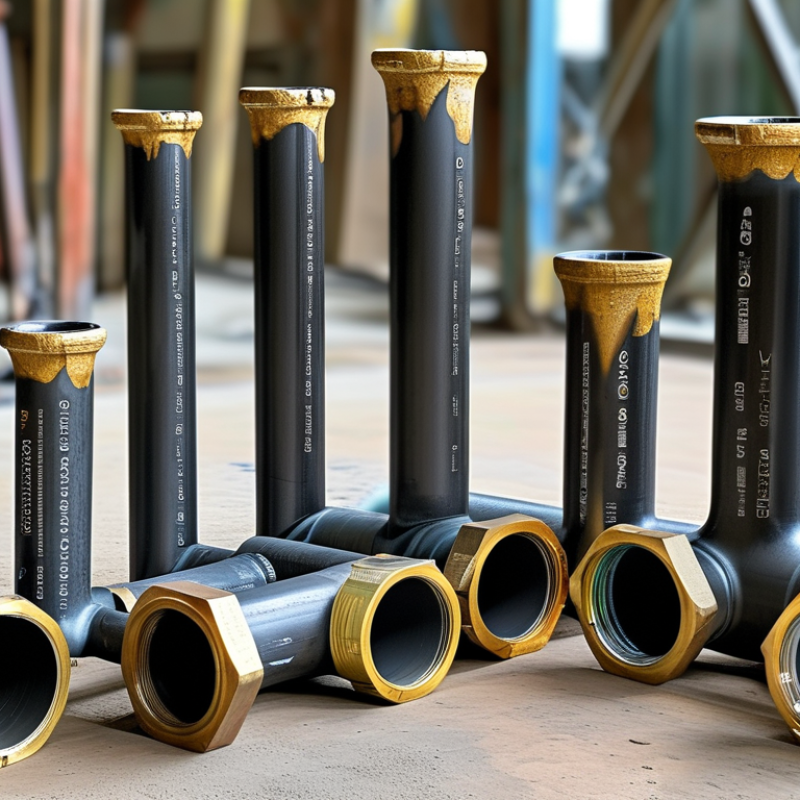
Understanding the Different Grades of Carbon Steel Pipes: A Comprehensive Guide
When selecting carbon steel pipes, understanding the different grades is crucial. Each grade offers unique properties that suit specific applications. Common grades include ASTM A106, ASTM A53, and API 5L. ASTM A106 pipes are ideal for high-temperature services. They are often used in power plants and refineries. ASTM A53 pipes, on the other hand, serve well in structural applications or low-pressure systems.
It’s important to factor in your project's specific needs. For instance, considering factors like corrosion resistance and tensile strength will lead you to the right choice. The A53 grade is less robust than A106 but may suit low-stress environments. On the flip side, the API 5L grade is essential for oil and gas pipelines. It provides strength and durability under high pressure. However, they may not be as readily available in all regions, leading to delays.
Selecting the correct carbon steel pipe is not always straightforward. Price variations might push you towards a lower grade, but this could impact durability. Consider long-term maintenance costs over initial savings. Consulting with industry experts can provide insights that save time and money, ensuring you make a more informed decision. Reflect on your requirements carefully to avoid costly mistakes.
Key Specifications and Standards for Carbon Steel Pipe Selection
Choosing the right carbon steel pipe requires understanding key specifications and industry standards. These factors ensure that the pipe meets your specific needs for strength, corrosion resistance, and pressure rating. Common specifications include ASTM and ASME standards that govern materials, dimensions, and testing methods. Familiarizing yourself with these standards is crucial for reliable performance.
When selecting a pipe, consider its thickness and diameter. These attributes directly affect its strength and suitability for various applications. For example, a thicker wall is often needed for high-pressure systems. The diameter must also align with your flow requirements. Small changes in diameter can significantly impact flow rates and performance. Understanding these details can save time and cost in the long run.
Check for dimensional tolerances and grade specifications too. Different grades of carbon steel have varying yield strengths and ductility characteristics. This knowledge can guide you in picking the right pipe for structural versus fluid transport applications. Regularly revisiting your choices and seeking expert advice may enhance decision-making. Always stay updated on industry developments to ensure your selections remain relevant.
Assessing Pipe Diameter and Wall Thickness for Optimal Performance
When choosing carbon steel pipes, pipe diameter and wall thickness are critical factors for optimal performance. The American Society for Testing and Materials (ASTM) notes that the right diameter can significantly influence flow rate and pressure drop in a piping system. A pipe that is too small may cause bottlenecks, while one that is excessively large can result in inefficiencies and increased costs.
Wall thickness is equally important. According to the ASME B36.10 standard, pipes with thicker walls can withstand higher pressures and are less likely to corrode. For instance, a schedule 80 pipe has a wall thickness that can endure nearly double the internal pressure of a schedule 40 pipe. However, increasing thickness adds weight and can complicate the installation process. Balancing durability and ease of handling is essential, and not every application demands heavier, thicker pipes.
Understanding the specific needs of your project is crucial. Some industries may prioritize cost over durability, especially in non-critical applications. Others may require high safety margins, thus opting for thicker walls. Ultimately, know your requirements and regularly reassess your choices. This reflection can lead to better decisions in the long run.
Evaluating Environmental and Pressure Conditions for Pipe Usage
When evaluating carbon steel pipes, understanding environmental and pressure conditions is crucial. High humidity or corrosive environments can significantly affect the pipe's longevity. For instance, pipes located near the coast may be more susceptible to rust and require protective coatings. Identifying these conditions early can save money and ensure system integrity.
Pressure conditions also play a vital role. Industrial applications often involve high pressure, requiring robust materials. The pipe’s wall thickness must be sufficient to withstand internal pressure. However, over-specifying can lead to unnecessary costs. Balancing material strength with application needs is key, which can sometimes be a challenging decision for project managers.
It's important to analyze both factors holistically. A pipe that performs well in one scenario might fail in another. Conducting thorough evaluations can uncover hidden issues. Seek expertise when needed, as small miscalculations can lead to significant consequences. Make informed choices based on actual conditions, and stay open to adjusting plans if unexpected challenges arise.
2026: Evaluating Carbon Steel Pipe Choices Based on Environmental and Pressure Conditions
Cost Analysis: Balancing Quality and Budget in Carbon Steel Pipe Selection
When selecting carbon steel pipes, balancing quality and budget is essential. Understanding your project requirements is crucial. Opting for lower-priced pipes may save money initially, but this can lead to higher costs long-term. Poor-quality pipes might require more frequent replacements. This can disrupt project timelines and inflate overall expenses. Evaluating the intended use of the pipes can drive better decisions.
Consider both short-term and long-term implications when choosing. While a lower upfront cost might seem appealing, maintenance and performance issues could emerge later. Quality pipes tend to offer better corrosion resistance and durability. This leads to savings over time. Conducting a thorough cost analysis is vital. Compare different suppliers and materials, keeping in mind both price and performance metrics.
Remember, spending on quality is an investment in reliability. It might feel tempting to cut corners, but this can backfire. Always weigh the benefits of high-quality materials against initial expenditures. Seek out reliable resources and expert opinions to guide your choices. Quality assurance can significantly impact the success of your project. It's essential to make informed, thoughtful decisions.
 Skip to content


 English
 Russian
  German
  Spanish
  French
  Portuguese