How to Choose the Right Cutting Tool for Your Business?
In the manufacturing landscape, selecting the right cutting tool is crucial for efficiency and precision. As industry expert John Smith notes, “Choosing the right cutting tool can define the quality and cost-effectiveness of production.” His insight highlights the essential role tools play in operational success.
Many businesses overlook the significance of tailored cutting tool solutions. These tools vary widely, from high-speed steel and carbide to ceramic and diamond-coated options. Each type comes with distinct characteristics, affecting performance and longevity. A mismatch can lead to increased costs and wasted materials.
Understanding cutting tool specifications requires expertise. Factors like material compatibility, cutting speed, and tool geometry must align with your project needs. Companies must not only seek expert advice but also reflect on their current tools’ effectiveness. This ongoing evaluation helps in adapting to changing production demands. In a competitive market, the right cutting tool can make all the difference in achieving optimal results.
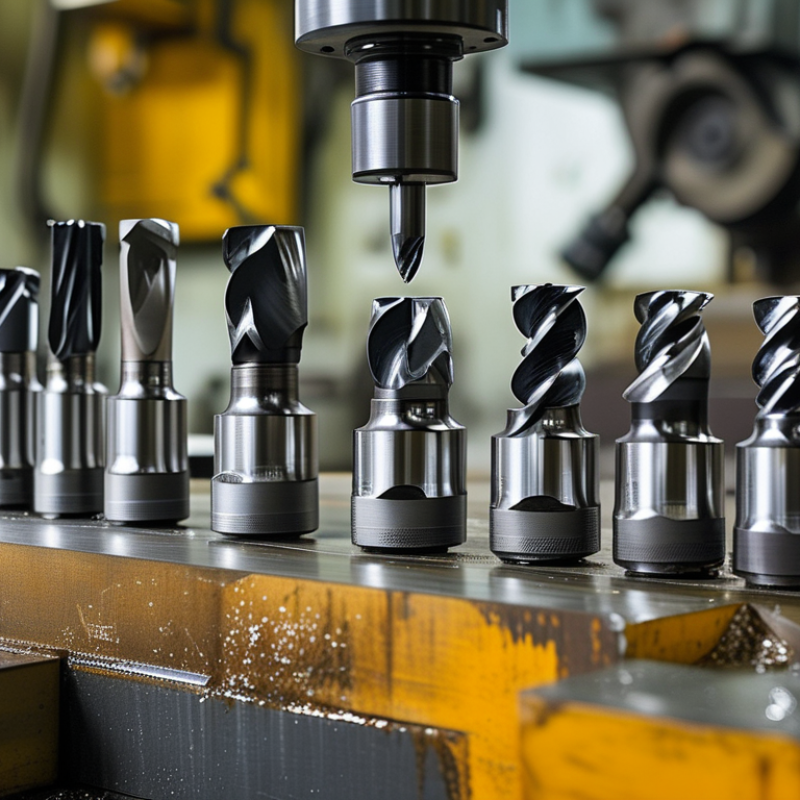
Understanding the Different Types of Cutting Tools in Manufacturing
Choosing the right cutting tool can greatly impact your manufacturing process. Understanding the various types of cutting tools is essential. Each tool serves a specific purpose. There are tools for milling, turning, drilling, and more. Knowing what your project requires is crucial.
Milling tools are designed for flat surfaces. They often create precise shapes or cut through blocks of material. Drilling tools, on the other hand, create holes and can vary in size and depth. Turning tools are typically used in lathes to shape cylindrical objects. Take time to assess the materials you are working with. Different materials require different tools.
It’s important to consider tool life and maintenance. A tool may wear out faster with certain materials. Regularly inspect your cutting tools for wear and tear. Replace them when necessary to maintain quality. Keep in mind that finding the right balance between cost and performance is essential. A cheaper tool may lead to more frequent replacements and downtime. Always opt for a tool that best fits your specific needs, even if it's not the cheapest option.
Types of Cutting Tools Used in Manufacturing
Evaluating Material Compatibility for Optimal Cutting Tool Selection
Choosing the right cutting tool demands a careful examination of material compatibility. Many industries utilize various materials like metals, plastics, and composites, each requiring specific cutting tools. The right selection can enhance efficiency and reduce production costs. Recent industry reports indicate that 70% of cutting tool failures stem from improper material selection.
Different materials behave uniquely under cutting conditions. For instance, high-speed steel tools excel with softer metals, while carbide tools are preferable for harder materials. Industry data suggests that carbide tools can offer a two to five times increase in lifespan compared to traditional options. Such disparities highlight the importance of matching tools with the material characteristics.
It’s also critical to consider the cutting tool's geometry, coating, and cooling methods. A mismatch can lead to premature wear or even catastrophic failure. Observational data points to a correlation between well-matched tools and improved surface finish. Neglecting to evaluate these aspects can escalate costs and slow production. The process of finding the ideal tool isn’t straightforward; it requires ongoing reflection and adjustment as new materials and technologies emerge in the market.
Analyzing Cutting Tool Design and Geometry for Specific Applications
Cutting tool design and geometry play crucial roles in machining efficiency and precision. Correctly matching the tool to the material can significantly impact production costs. For instance, data from the American Machinist shows that improper tool selection can increase tool wear by up to 20%. This inconsistency leads to delays and loss of profit.
When analyzing tool geometry, consider the cutting edge shape and angle. A sharper edge enables better penetration into tough materials, reducing excess friction. Studies reveal that a 10-degree change in clearance angle can improve cutting performance by 15%. Such precise adaptations help in reducing cycle times and enhancing surface finish.
However, not all cutting tools are created equal. A tool that excels in one application might fail in another. It’s vital to evaluate specific needs and material types. Many businesses still overlook the connection between tool design and job requirements, resulting in costly trial-and-error processes. Investing in the right geometry can be game-changing for efficiency.
How to Choose the Right Cutting Tool for Your Business?
| Application |
Material |
Cutting Tool Type |
Geometry Features |
Recommended Coating |
| Metal Cutting |
Steel |
End Mill |
High Helix Angle, Short Length |
TiN (Titanium Nitride) |
| Plastic Cutting |
Acrylic |
Router Bit |
Tapered Shape, Low Flute Count |
Uncoated |
| Wood Cutting |
Hardwood |
Circular Saw Blade |
Alternate Top Bevel, Thin Kerf |
TiCo (Titanium Cobalt) |
| Composite Cutting |
Fiberglass |
Diamond Tool |
Multi-Point Cutting Edges |
Diamond Coating |
| General Purpose |
Various |
Twist Drill |
Standard Point Geometry |
TiN (Titanium Nitride) |
Assessing Cutting Tool Costs: Balancing Quality and Affordability
When assessing cutting tool costs, finding a balance between quality and affordability is crucial for manufacturers. According to a recent industry study, companies often allocate about 15-30% of their production budget to cutting tools. This percentage can significantly impact overall productivity and profit margins. Investing in higher-quality tools may reduce replacement frequency, leading to lower long-term costs. However, it’s essential to evaluate whether these tools align with specific machining tasks.
The decision-making process can be complex. A report from the Manufacturing Institute states that nearly 40% of businesses experience production delays due to subpar cutting tools. This statistic highlights the need for a strategic approach to purchasing. Many businesses overlook the often-hidden costs of frequent tool replacements and downtime. Cutting tool longevity can vary significantly. For example, premium tools may last two to three times longer. While their upfront costs are higher, they can lead to substantial savings over time.
Affordability does not always equal value. A lower-priced tool may initially seem attractive, but if it requires more replacements, it can quickly become more costly. A precise analysis of tool life, performance, and associated costs is necessary. Companies must also consider the potential impact on output quality. Reliable and consistent tools can enhance production efficiency. Yet, businesses sometimes prioritize short-term savings, which can compromise long-term success.
Exploring Industry Trends and Innovations in Cutting Tool Technology
Cutting tool technology is evolving rapidly, impacting industries worldwide. According to a recent report by Market Research Future, the cutting tool market is projected to reach $29.7 billion by 2025, with a compound annual growth rate (CAGR) of 6.5%. These numbers reflect a growing acceptance of innovative materials and designs in manufacturing. Companies are increasingly integrating advanced materials like carbide and cobalt into their tools. This enhances efficiency and accuracy in various applications.
As industries embrace automation, smart cutting tools equipped with IoT capabilities are gaining traction. These tools can collect data, monitor performance, and predict maintenance needs. A study by Research and Markets suggests that the smart cutting tool segment will grow by over 20% in the next five years. However, businesses must assess the integration of these technologies carefully. Balancing cost and efficiency can be challenging, and not every operation may benefit equally.
Training personnel to use new technologies effectively is also a concern. Many workers may struggle with the shift from traditional methods. Adaptation is key, yet many organizations overlook this aspect. As industries adopt these innovations, they must ensure their teams are prepared for the transition. Investing in employee education can mitigate disruptions and enhance productivity over time.
 Skip to content





 English
 Russian
  German
  Spanish
  French
  Portuguese