How to Choose the Right MCCB Breaker for Your Needs?
Choosing the right MCCB Breaker is crucial for electrical safety and efficiency. Industry expert John Smith, a leading electrical engineer, says, "Selecting the proper MCCB breaker ensures both protection and reliability." This statement underscores the importance of understanding your specific needs.
MCCB breakers serve various applications, from industrial to residential settings. Each scenario demands careful consideration of voltage, current ratings, and installation environments. Without this deep knowledge, selecting an inappropriate breaker could lead to failures or hazards.
Moreover, proper guidance is essential during the selection process. Different brands offer diverse features and specifications. Researching those can feel overwhelming. Each decision impacts overall system performance and safety. Reflecting on these factors can help prevent costly mistakes. Understanding the nuances of MCCB breakers isn't just beneficial; it’s necessary for optimal electrical solutions.
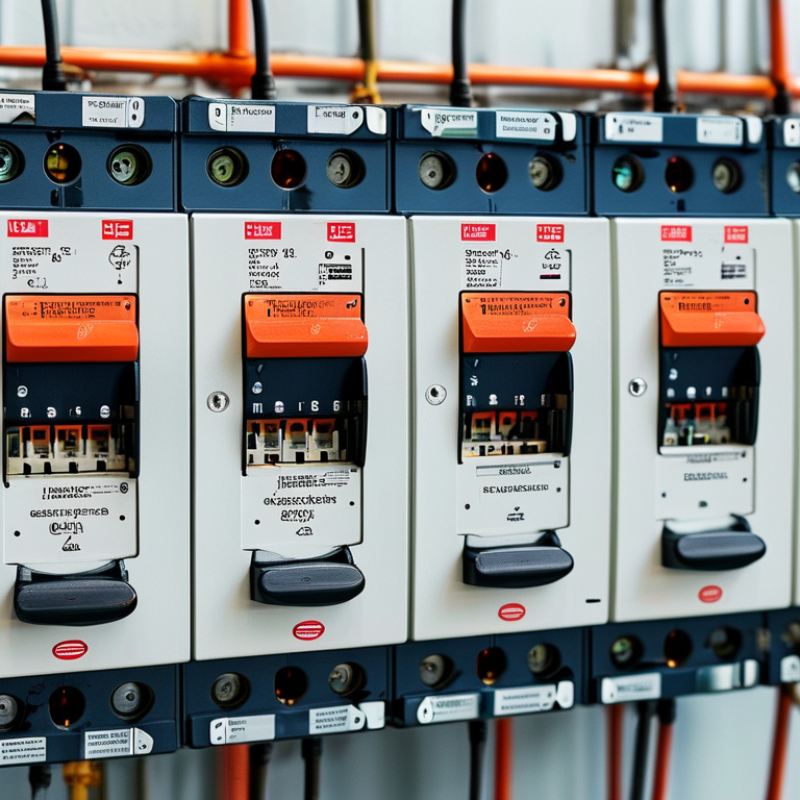
Understanding the Basics of MCCB Breakers and Their Functionality
MCCB breakers play a crucial role in protecting electrical circuits. They safeguard against overloads, short circuits, and ground faults. Understanding their functionality starts with recognizing their key features. MCCBs are designed for both commercial and industrial applications. They can handle varying loads, enhancing their versatility.
The mechanism of an MCCB includes thermal and magnetic trip features. The thermal element responds to overloads, while the magnetic element reacts to short circuits. This dual functionality ensures comprehensive protection. Additionally, proper sizing is vital for efficiency. Choosing an MCCB that aligns with the specific load requirements can prevent unnecessary tripping and equipment damage.
Selecting the right breaker involves assessing your electrical system. Factors like voltage, current ratings, and environmental conditions need careful consideration. It's easy to overlook the importance of these details. A mismatched breaker could lead to operational inefficiencies. Reflecting on these factors helps ensure a more reliable electrical system. Taking a methodical approach will improve your decision-making process.
Identifying Your Electrical Needs and Load Requirements
Identifying your electrical needs and load requirements is crucial when selecting an MCCB breaker. Understanding the total load of your electrical system is the first step. Calculate the combined wattage of all devices. This includes lights, appliances, and HVAC systems. You need a breaker that can handle this load without tripping frequently. Be mindful of continuous loads. These are devices that run for more than three hours. They can influence your overall calculation significantly.
Consider the voltage and phase of your electrical system as well. A single-phase load varies greatly from a three-phase system. This choice impacts the breaker size and type needed for safety and efficiency. Pay attention to manufacturer specifications, as they provide detailed insights. Sometimes, complexities arise when integrating new equipment into an existing setup. This can mean adjusting your breaker to meet increased demands.
It’s essential to review local electrical codes as well. Compliance is not just a formality; it ensures safety and reliability. Mistakes in sizing or type selection can lead to serious issues, including fire hazards. Reflecting on your unique situation and future plans for expansion will guide your decision. This thoughtful approach will yield a more reliable electrical system and cater to your long-term needs.
Evaluating the Key Features of MCCB Breakers
When selecting an MCCB breaker, understanding its key features is crucial. The most important aspect is the current rating. This determines how much current the breaker can handle without tripping. It's essential to choose a rating that matches or exceeds your circuit requirements. A device rated too low leads to frequent tripping and might damage connected equipment.
Another critical feature is the breaking capacity. This indicates how much fault current the breaker can interrupt safely. A higher breaking capacity can prevent dangerous situations during a fault. Assessing the potential fault levels in your system helps you select an appropriate breaker.
Thermal and magnetic trip settings also play vital roles. Thermal trips respond to overloads, while magnetic settings react quickly to short circuits. Ensuring these are correctly set is not straightforward. It often requires careful calculation. A mismatch can lead to unnecessary downtime or worse, equipment failure. Evaluating these features thoughtfully ensures better reliability for your electrical distribution system.
MCCB Breaker Specifications
| Feature | Description | Value |
| Voltage Rating | The maximum voltage the MCCB can handle. | 400V |
| Current Rating | The rated current the breaker can carry. | 125A |
| Breaking Capacity | The maximum fault current the breaker can interrupt. | 10kA |
| Trip Mechanism | Type of mechanism used for tripping. | Thermal-Magnetic |
| Poles | Number of poles in the MCCB. | 3 Poles |
| Dimension | Physical size of the MCCB. | 200 mm x 100 mm x 130 mm |
| Mounting Type | How the MCCB is mounted in the electrical panel. | Din Rail Mount |
| Weight | Weight of the MCCB for handling. | 2.5 kg |
Comparing Different Types and Ratings of MCCB Breakers
Choosing the right MCCB (Molded Case Circuit Breaker) for your needs requires careful consideration of various types and ratings. MCCBs come in different styles, each designed for specific applications. For example, thermal magnetic breakers respond to overloads and short circuits. Electronic MCCBs offer precise protection and are suitable for complex systems. Understanding these differences is crucial for selecting the right breaker.
It’s essential to evaluate the current rating based on your system's requirements. Match the MCCB’s ratings with the maximum load. This prevents nuisance tripping and ensures reliability. Some circuits may need more protection; in those cases, consider the breaking capacity, which is vital for safety. An inadequate choice can lead to equipment damage or safety hazards.
Validate your experience with each type of breaker. If it feels right, it could be. But don’t shy away from seeking advice. Industry experts often share insights that can be invaluable. Dig deeper into the specific environments of your installation, as dust, humidity, or temperature can impact performance. Be aware that even small variances in selection can lead to significant issues later on.
Considering Safety Standards and Compliance for MCCBs
When selecting an MCCB (Molded Case Circuit Breaker), it's essential to focus on safety standards and compliance. Understanding the relevant safety regulations is crucial. These standards ensure that the MCCB can effectively prevent electrical fires and protect equipment. Many industries depend on these safeguards to maintain operational integrity. Compliance with safety standards can also be a legal requirement in many regions.
Different sectors have unique safety needs. For example, manufacturing plants might require higher protection levels due to heavy machinery. In contrast, residential applications may have less stringent requirements. An awareness of these differences is important. Evaluating the potential risks while considering local regulations can be daunting. Not all MCCBs are created equal, and an ill-informed choice can lead to serious issues.
Additionally, it's valuable to consult with electrical professionals when navigating these decisions. Their insights can guide you towards compliant options. It's easy to overlook specific requirements during the selection process. Regularly reviewing updated safety regulations can also enhance overall compliance. Striking the right balance between safety and functionality should be a priority.
 Skip to content


 English
 Russian
  German
  Spanish
  French
  Portuguese