How to Choose the Right Pkcell Battery for Your Needs?
Choosing the right Pkcell Battery can be daunting. With numerous options available, it's easy to feel overwhelmed. Each type of battery serves specific needs, from powering toys to medical devices. Understanding these differences is crucial.
Consider your usage first. Do you require high capacity for long-lasting energy? Or, will a standard battery suffice for short-term use? Pkcell Batteries come in various categories, such as alkaline, lithium, and rechargeable options. Each has unique features, like shelf life and discharge rates.
Evaluating your specific requirements will enhance battery performance and lifespan. It's essential to think about compatibility with your devices. Also, consider the environmental impact. Selecting the right Pkcell Battery not only meets your needs but can also promote responsible energy consumption. Reflect on your choices for a better future.
Understanding Different Types of Pkcell Batteries Available
Choosing the right battery can be tricky. Many types exist, each designed for specific needs. Understanding these types is crucial to making a good choice.
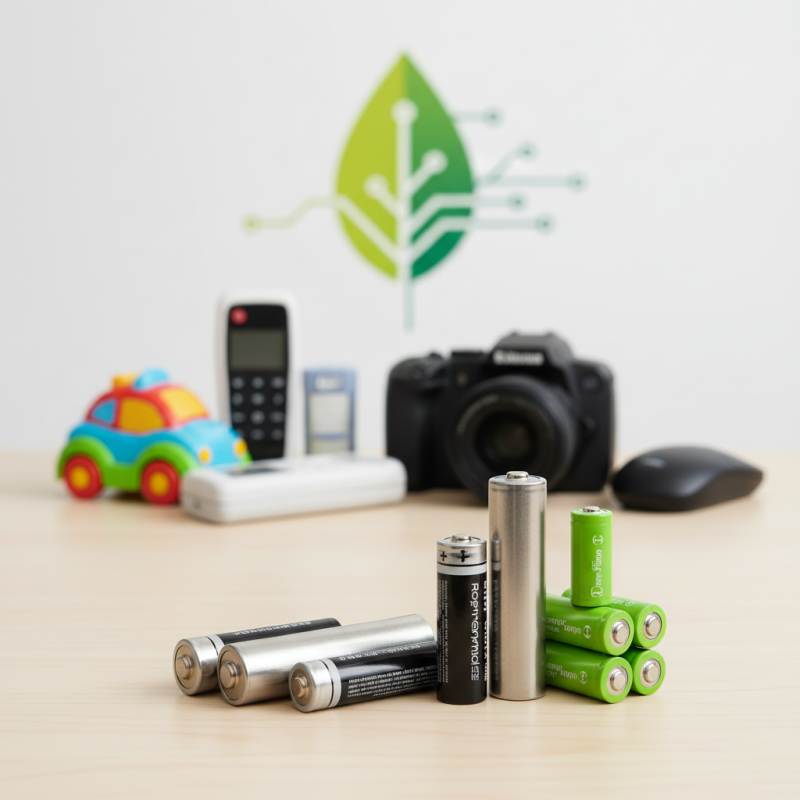
There are alkaline batteries. They work well for low-drain devices. Common uses include remote controls and toys. Rechargeable batteries are another option. They save money over time. However, charging needs to be managed properly. Sometimes, they might not hold a charge as well as fresh ones.
Tips for selecting the right battery are essential. Check the device requirements. Different devices have varying voltage and capacity needs. It’s important to match these. Look for the temperature range, too. Some batteries perform poorly in extreme conditions. Always consider your usage patterns. Frequent use might benefit from higher-capacity options.
Don’t forget about shelf life. Batteries can degrade over time, even unused. It may lead to unexpected failures. Test your batteries before important projects. If they’re old, consider replacing them. It’s better to play it safe.
How to Choose the Right Battery for Your Needs?
| Battery Type | Voltage (V) | Capacity (mAh) | Common Uses | Pros | Cons |
| AA Alkaline | 1.5 | 2000-3000 | Remote controls, toys, flashlights | Widely available, good shelf life | Non-rechargeable, environmental concerns |
| AAA Rechargeable NiMH | 1.2 | 600-1000 | Digital cameras, gaming controllers | Rechargeable, eco-friendly | Lower initial voltage, self-discharge |
| 9V Carbon Zinc | 9 | 400-600 | Smoke detectors, guitar pedals | Inexpensive, readily available | Shorter lifespan, lower capacity |
| CR2032 Lithium Coin | 3 | 220 | Watches, motherboards, calculators | Long shelf life, stable voltage | Limited capacity, not rechargeable |
Identifying Your Power Requirements for Specific Devices
When selecting a battery, understanding your power requirements is crucial. Devices vary in energy needs. For instance, remote controls typically require less energy than digital cameras. A remote may only need a few hundred milliamp hours, while a camera could demand over 2000 mAh. Identifying these specifications is essential for optimal performance.
Consider the device's runtime. Some tools may run on lower power for extended periods, while others might drain quickly. A report from the Journal of Power Sources indicates that devices like portable speakers may require around 12 to 15 Wh for five hours of use. Misjudging this can lead to frequent replacements or unexpected downtimes.
It’s vital to evaluate how often you use each device. A seldom-used gadget might not warrant a high-capacity battery. Conversely, everyday tools deserve the best power source. While many batteries claim efficiency, the real performance can fluctuate. It’s wise to check user reviews and analyze performance tests before making a choice. Balancing these factors can lead to more informed and satisfying choices.
Comparing Battery Capacity and Voltage Ratings
When choosing a battery, understanding capacity and voltage is essential. Capacity is usually measured in milliampere-hours (mAh). Higher numbers often mean longer usage time. For example, a 2000 mAh battery can power a device for a longer duration than a 1000 mAh battery. However, more capacity often leads to larger battery sizes, which may not fit your device as you hope.
Voltage ratings are another critical factor. They indicate how much power your battery provides. Most devices require a specific voltage to function correctly. If the voltage is too low, the device might not turn on. Conversely, a higher voltage can damage the device. For instance, using a 12V battery in a device designed for 9V may cause overheating.
It’s important to carefully check both values before purchasing. Sometimes, you may find batteries with similar capacities but different voltages. This can lead to confusion. Making the wrong choice can result in frustrating experiences or wasted money. Analyze your device’s requirements closely to avoid errors.
Battery Capacity and Voltage Ratings Comparison
Evaluating Battery Lifespan and Performance Factors
When choosing the right battery, understanding performance factors is crucial. Battery lifespan is vital in evaluating your needs. Look for batteries with longer durability. This often means they can handle more charge cycles. Performance can vary significantly between products. Consider what devices you plan to power.
Tips: Always check the specifications. Understanding voltage and capacity helps in decision-making. It prevents mismatches that could harm your devices. Don't overlook environmental conditions. Temperature can impact battery efficiency.
Some batteries may perform well in ideal conditions but falter in extreme heat or cold. Testing in your specific environment can reveal unexpected results. Think about your usage patterns. Heavy use may drain batteries faster than you expect. Always have a backup option available.
Choosing the Right Battery Based on Environmental Conditions
When selecting a battery, environmental conditions play a crucial role. Temperature significantly impacts battery performance. For instance, lithium-ion batteries function efficiently between 20-25°C. However, in very cold conditions, they can lose up to 40% of their capacity. In hot climates, the risk of thermal runaway increases, causing safety concerns.
Humidity is another factor to consider. Batteries exposed to high humidity may corrode more quickly, reducing their lifespan. A study by Battery University noted that prolonged exposure to moisture could lead to internal short-circuits. Regular monitoring is essential to prevent such issues.
Additionally, altitude affects battery efficiency. At higher altitudes, the air pressure decreases, which can cause batteries to discharge faster. This is particularly important for outdoor enthusiasts. Understanding these environmental nuances helps in selecting the right battery. It's a step often overlooked, yet vital for optimal performance in real-life conditions.
 Skip to content


 English
 Russian
  German
  Spanish
  French
  Portuguese