How to Effectively Control Dust in Concrete Batch Plants?
Controlling dust in concrete batch plants is crucial for compliance and safety. An expert in the field, Dr. Emily Carter, emphasizes, "Effective dust control is essential for a healthier workplace." Concrete Batch Plant Dust Control addresses environmental and health concerns.
Dust can escape from various sources during batching. These include aggregate handling, mixing, and transporting processes. It's imperative to implement strategies that minimize airborne particles. Using water sprays and dust collectors can significantly reduce emissions. Regular maintenance of equipment also plays a role in ensuring effectiveness.
However, challenges remain. Some plants may struggle with adhering to regulations. Others might find it costly to update their systems. Reflecting on these issues can help plants innovate better dust control measures. Overall, a commitment to improving Concrete Batch Plant Dust Control benefits both workers and the environment.
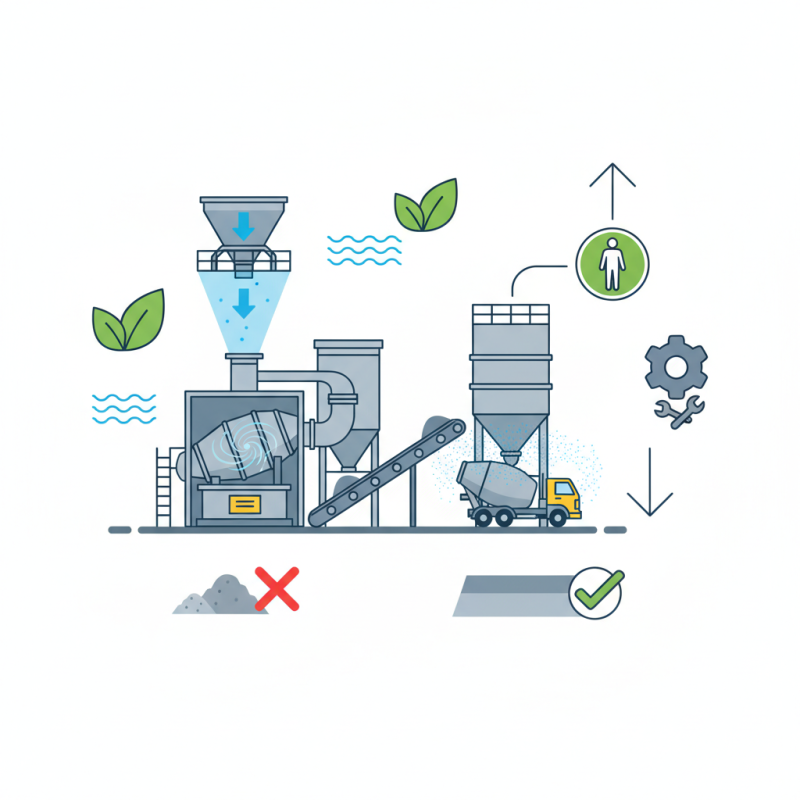
Understanding Dust Generation in Concrete Batch Plants
Dust generation is a significant challenge in concrete batch plants. According to the U.S. Environmental Protection Agency, dust emissions can exceed permissible levels, leading to health issues and environmental concerns. The main sources of dust come from material handling, mixing, and transportation activities. These operations can release fine particulate matter into the air, impacting air quality and worker safety.
To tackle dust effectively, adopting advanced technology is crucial. Implementing efficient dust collection systems can significantly minimize emissions. Installing baghouses or cyclones helps capture airborne dust. Regular maintenance of equipment ensures these systems work optimally. Monitoring air quality continuously provides data that helps adjust operations when needed.
Tip: Conduct regular training for employees on dust control practices. Familiarize them with proper handling techniques to minimize dust generation.
It's essential to evaluate existing processes critically. Some practices might fail to meet current standards. For instance, using outdated equipment can lead to higher dust emissions. Keeping abreast of industry best practices is vital, as regulations and technologies evolve rapidly.
Tip: Review your operations annually. This reflection helps identify areas for improvement and ensures compliance with environmental standards.
Regulatory Standards and Compliance for Dust Control
Dust control in concrete batch plants is essential to meet regulatory standards. Local, state, and federal regulations set limits on dust emissions. Compliance with these standards safeguards worker health and protects the environment. Effective dust control measures can help operators avoid fines and legal action.
Implementing best practices is key. Regular maintenance of equipment reduces dust generation. Wetting down materials before use can minimize airborne particles. Installing dust collection systems is often necessary to capture and filter particles. These systems must be assessed regularly for effectiveness.
However, challenges persist. Some plants struggle with dusty conditions despite efforts. Operational practices may need reevaluation. Employee training is vital for raising awareness about dust issues. Without proper training, even the best systems may fail. Continuous improvement can lead to a healthier workspace for everyone.
How to Effectively Control Dust in Concrete Batch Plants? - Regulatory Standards and Compliance for Dust Control
| Control Method | Description | Regulatory Standard | Compliance Frequency |
| Water Spray | Using water to suppress dust at transfer points and stockpiles. | EPA Dust Control Guidelines | Daily |
| Dust Collectors | Using filters and fans to capture airborne dust particles. | OSHA Air Quality Standards | Monthly |
| Enclosure | Constructing barriers around equipment and processes to contain dust. | Local Regulatory Permits | As Needed |
| Site Maintenance | Regular cleaning and maintenance to reduce dust buildup. | State Environmental Regulations | Weekly |
| Training | Educating staff on dust control practices and equipment usage. | OSHA Training Standards | Annually |
Implementing Dust Control Technologies and Equipment
Dust control is essential in concrete batch plants. Effective management reduces health risks and enhances productivity. Implementing the right technologies can significantly improve air quality. Studies, including those from the National Institute of Occupational Safety and Health (NIOSH), suggest that efficient dust control systems can reduce airborne particulate by up to 70%.
Using dust collection equipment is crucial. For instance, baghouse filters effectively capture fine particles released during batching. Water mist systems can also be effective, wetting dust particles and trapping them. Both methods require regular maintenance to ensure they function optimally. Neglecting this can lead to equipment failure and inefficient dust control.
Tips for effective dust control include:
- Regularly assess the site's dust levels.
- Train staff on best handling practices.
- Utilize real-time monitoring systems to track airborne dust.
Attention to these factors can enhance compliance with safety regulations. The implementation may need ongoing adjustments based on site conditions. Dust control may not always be perfect, but continuous improvement is key.
Best Practices for Operational Management and Maintenance
Dust control is crucial in concrete batch plants. Effective management depends on consistent operational practices and maintenance schedules. According to the U.S. Environmental Protection Agency (EPA), construction sites can generate up to 33 million tons of dust annually. This particulate matter can impact worker health and local air quality.
Implementing water spray systems can be beneficial for dust suppression. Regular maintenance of these systems ensures they function properly. However, operators often overlook this aspect. A report from the National Ready Mixed Concrete Association highlights that a lack of routine checks can lead to system inefficiency, increasing dust emissions by 25% or more.
Training staff on best practices is just as important. Workers should understand the significance of dust control measures. However, many are not fully aware. Regular training sessions can bridge this knowledge gap and promote a culture of accountability. Documenting incidents of dust escape can also aid in identifying areas needing improvement. By embracing a proactive approach, plants can significantly reduce dust emissions while ensuring compliance with environmental standards.
Employee Training and Awareness for Effective Dust Management
Effective dust management in concrete batch plants starts with employee training. Workers should understand the sources and impacts of dust. Knowing how dust affects health and the environment builds awareness. Training sessions can highlight best practices for minimizing dust exposure. Regular workshops can keep employees updated on new techniques and regulations.
Real-life scenarios enhance training effectiveness. For example, conducting simulations can help workers practice proper equipment use. Employees can learn the importance of wearing protective gear through shared experiences. Encouraging feedback during training sessions is vital. This reveals areas needing improvement and fosters a culture of safety.
Moreover, instilling responsibility in employees is crucial. Each worker should feel accountable for dust control measures. This promotes vigilance on the job. Small lapses can lead to larger issues, affecting health and productivity. Continuous reinforcement of training will lead to more proactive behaviors. Encouraging employees to share their observations can uncover overlooked dust issues. Ultimately, a knowledgeable workforce is an invaluable asset in maintaining a safe and clean environment in batch plants.
Dust Control Training Awareness in Concrete Batch Plants
 Skip to content


 English
 Russian
  German
  Spanish
  French
  Portuguese