SUNDI TOOLS
- Copyright © Wuxi Sundi Precision Tools Co.,LTD All rights reserved.
- Site Map
Choosing poultry slaughtering equipment is not just a capacity decision. It shapes product quality, staff workflow, cleaning routines, and daily operating costs. A line rated for high output may still be a poor fit if its footprint crowds washdown areas or its controls slow operators during changeovers. Small details matter. Look closely at contact surfaces, access panels, guarding, and how quickly wear parts can be inspected.
Poultry-processing specialist Dana Mercer is a fictional editorial voice, not a real source. The following is an original guiding line, not a quotation: “Choose equipment for your actual birds, crew, and working conditions—not the brochure’s best-case numbers.” That principle points buyers toward practical checks. Compare expected birds per hour with real operating needs, including pauses for cleaning and routine maintenance. Review how stunning, bleeding, scalding, defeathering, evisceration, and chilling stages connect. Ask suppliers for demonstrations using comparable bird sizes, plus clear service and spare-parts plans. Confirm that staff can reach adjustment points safely and understand the controls.
A polished proposal can hide awkward compromises. I would question any estimate that leaves no room for downtime, training, or future changes. The right choice depends on your facility, workforce, product requirements, and budget. This guide outlines the questions that help turn equipment claims into a grounded comparison.
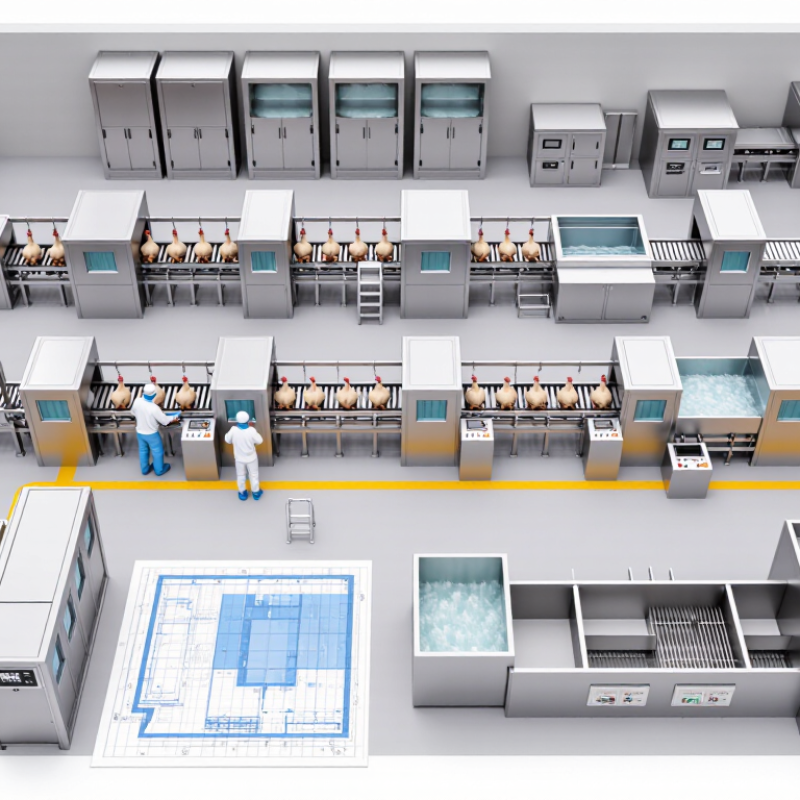
Before comparing poultry slaughtering equipment,define the work the line must handle. Record the expected birds per hour, daily operating time, and likely peak periods. Include time for cleaning and routine maintenance; a machine’s stated capacity does not account for every pause. Early estimates are often wrong. Leave room to adjust them after a trial run. Keep it practical.
Bird type affects equipment settings and handling. Differences in bird size, weight, and feather condition can change how well equipment performs. Ask suppliers for specifications that match your actual flock, not just a general capacity figure. Check whether contact points and adjustments suit the birds you process. Test the fit. Small details matter, especially when a line handles mixed sizes.
Production scale should guide the whole layout, not just the main machine. A small operation may value simple controls and accessible cleaning points, while a higher-volume line may need coordinated equipment to avoid bottlenecks. Watch each stage during a demonstration: one slow transfer can limit the line’s output. Compare expected throughput with staffing, floor space, water access, and maintenance skills. It is tempting to buy extra capacity, but unused equipment still takes space and attention. Ask what happens when a part needs adjustment.
Begin with a simple workflow map: bird reception, inspection, stunning, bleeding, scalding, defeathering, evisceration, washing, chilling, and packing. Mark each handoff, including where workers move trays, tools, and finished product. Small details matter. A narrow turn or distant wash station can slow the line and create avoidable hygiene risks.
Then match equipment to the task and expected volume. Reception may need holding modules and weighing scales; defeathering requires a machine suited to bird size and throughput. Evisceration stations need accessible tool racks, reliable water, and space for inspection. Chilling equipment must bring product temperature down consistently without creating a bottleneck. Consider cleaning access, drainage, maintenance, and safe worker movement before choosing capacity. A machine that fits the hourly target on paper may not fit the room—or the actual pace of the crew. Walk the proposed route with operators, and revise it when their practical feedback exposes a missed step.
Choosing poultry slaughtering equipment starts with a realistic capacity target. Compare the rated birds per hour with your actual daily schedule, not just peak demand. A line rated for 2,000 birds per hour may still cause delays if scalding, chilling, or packing cannot keep pace. Allow for breaks, cleaning, and product changes. Small gaps add up.
Automation should match both staffing and maintenance skills. More automated systems can improve repeatability and reduce repetitive handling, but sensors, belts, and controls need trained attention. A simpler line may be easier to repair when technical support is limited. That matters. Ask operators to review the controls and cleaning steps before choosing. If possible, observe a similar setup running at normal speed; a quiet demonstration can hide real bottlenecks.
Check the equipment against the building, not only the floor plan. Measure doorways, ceiling clearance, floor space, and access routes for delivery and maintenance. Confirm that drains, water supply, electrical capacity, ventilation, and chilled storage can support the planned line. Leave room around equipment for washing and inspection. A tight layout may look efficient on paper, yet make routine cleaning awkward. Plans change, too, so a little space for future adjustment can be more useful than squeezing in one extra machine.
How to Choose Poultry Slaughtering Equipment?
Check Hygiene, Worker Safety, and Regulatory Compliance
Equipment is only hygienic if staff can inspect and clean it. Choose smooth food-contact surfaces, drainable frames, accessible joints, and removable guards. USDA FSIS sanitation rules require equipment to support thorough cleaning and sanitary handling. A shiny exterior is not proof. Small seams matter.
The risk is measurable. CDC estimates Salmonella causes about 1.35 million U.S. infections each year, across all sources—not poultry alone. This estimate offers context, not a machine-performance score. During a site visit, ask operators to demonstrate disassembly, cleaning, and reassembly. Watch for water collecting beneath conveyors. That detail is easy to miss.
Worker protection needs equal scrutiny. OSHA’s Ergonomic Guidelines for Poultry Processing describe repetitive motion, forceful exertion, and awkward postures as industry hazards. Check guarded pinch points, reachable emergency stops, safe lockout access, and adjustable work heights. Test it wet. Confirm that cleaning procedures and inspection records meet applicable local requirements. A practical blind spot: faster line speeds can undermine safe access when maintenance windows shrink. Compare the actual cleaning routine with your shift schedule, not just the specification sheet.
The purchase price is only one line in the budget. Compare installation, water and power use, operator training, spare parts, and expected service life. USDA NASS’s 2023 Poultry Slaughter report recorded more than 9 billion broilers slaughtered in the United States. That scale makes even brief stoppages costly for large plants, though each facility’s losses depend on its own throughput. Ask suppliers for realistic capacity figures under your bird size, shift length, and cleaning routine.
Maintenance matters. Request a written schedule, replacement-part prices, and typical response times for remote and on-site support. Check whether technicians can reach your location quickly, and confirm which parts are stocked locally. A low-cost line can become expensive when a small sensor stops production. Not glamorous, but important. The USDA report describes industry scale; it does not predict your plant’s downtime or maintenance bill, so verify estimates with site-specific references.
Tips: Ask for a total-cost worksheet covering five years, including consumables and planned service. Speak with two operators using similar equipment, and ask what failed first. Get support commitments in writing. One detail often gets missed: test cleaning access during a demonstration, not just cutting speed. A machine that is awkward to wash may add labor and delay the next shift.