How to Use an Angle Head Holder Effectively?
The Angle Head Holder is a versatile tool designed to enhance machining operations. It allows for better access to hard-to-reach areas and provides improved flexibility. This tool can significantly increase efficiency in various tasks.
Using an Angle Head Holder effectively can make a noticeable difference. Proper setup and adjustments are crucial for optimal performance. Some may find it challenging at first. It can take time to learn the best practices.
Attention to detail is key. Regular checks on alignment and stability can prevent issues. Mistakes can lead to wasted time and resources. However, with practice, users can master its use and improve their productivity. Embracing the learning curve is part of the process. The Angle Head Holder can open up new possibilities in machining.
Understanding the Basics of an Angle Head Holder
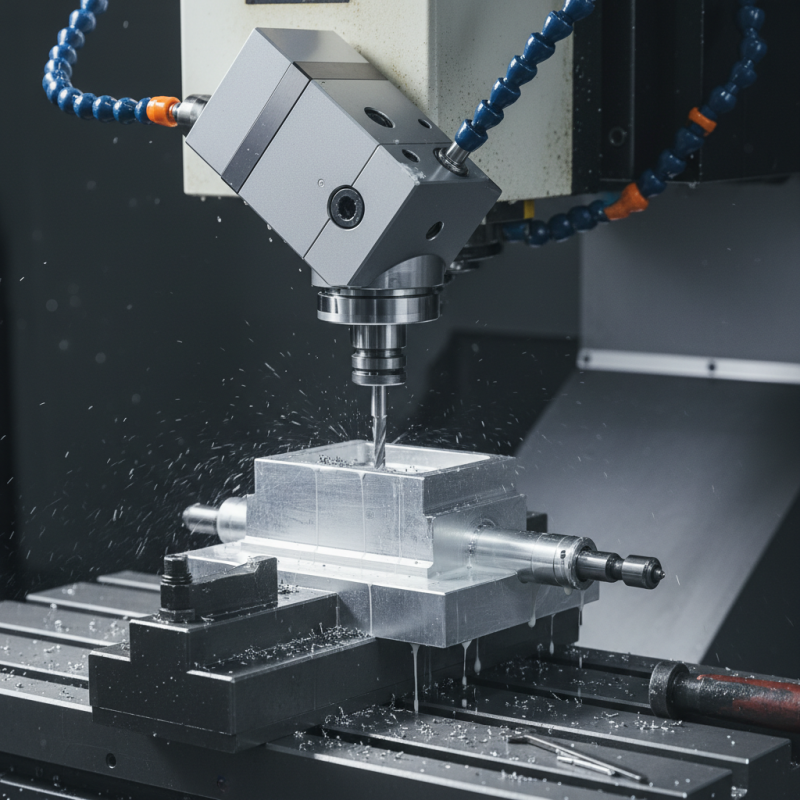
An angle head holder is an essential tool in machining, enhancing precision and flexibility. It connects to a machine tool spindle, allowing for angular operations. With the ability to cut at various angles, it increases versatility. Reports indicate that effective use of angle head holders can reduce cycle times by up to 30%. This is significant for improving productivity in manufacturing environments.
Understanding the basics of an angle head holder involves recognizing its components. The holder typically includes a spindle, angular gearbox, and a tool holder. Together, they create a system for precise positioning. It’s crucial to consider the torque specifications. Many users experience issues due to misalignment or incorrect torque settings. These mistakes can lead to subpar results or damage to both the tool and the workpiece.
Most operators overlook maintenance, impacting performance. Routine checks are vital for durability. A study shows that unmaintained tools can reduce machining efficiency by 15%. Operators should also review their techniques regularly. Some may find themselves relying too heavily on the tool’s capabilities rather than their skills. This reliance can hinder growth and learning in the machining field.
Choosing the Right Angle Head Holder for Your Needs
Choosing the right angle head holder can be daunting. Various factors come into play. Geometry, size, and application must all be considered carefully. Reports indicate that about 30% of projects fail due to improper tool selection. This statistic shows how critical it is to make informed decisions.
When selecting an angle head holder, one must evaluate the workpiece's material. Different materials require specific holder designs. For instance, a rigid holder is preferable for rigid materials. Yet, the challenge lies in balancing rigidity and flexibility. This dynamic affects precision and tool longevity. A poor choice here could lead to vibrations, reducing accuracy.
Consider the spindle type as well. Not every angle head holder fits all spindles. Industry data suggests that mismatched tools result in a 15% drop in efficiency. This misalignment often leads to wear and potential damage. Many users overlook this aspect, resulting in costly repairs. Take time to understand spindle compatibility before making a decision.
How to Use an Angle Head Holder Effectively?
| Feature | Description | Importance |
| Compatibility | Ensure the angle head holder fits your machine's specifications. | High |
| Material | Choose a holder made from durable materials like steel or aluminum. | Medium |
| Angle Adjustment | Look for holders that allow easy angle adjustments. | High |
| Size Options | Select sizes that match your tooling and workpiece dimensions. | High |
| Cost | Consider your budget while ensuring quality is not compromised. | Medium |
| User Reviews | Check reviews for insights into reliability and performance. | Low |
Step-by-Step Guide to Installation and Setup
Installing an angle head holder can enhance your machining efficiency. The setup process might seem daunting at first, but with the right guide, it becomes manageable. Ensure you have the correct tools ready, such as wrenches and alignment blocks. Start by securing the holder onto the machine spindle. Follow the manufacturer’s guidelines and pay close attention to alignment. Misalignment can lead to poor performance and increase wear on tools.
Make sure to adjust the angle head before tightening everything down completely. This allows for slight corrections if needed. According to industry reports, aligning tools correctly can increase accuracy by up to 25%. Many professionals overlook this step, leading to costly errors in machining.
Tips: Regularly check the tightness of the angle head. Loose fittings can create vibrations and lead to tool damage. Consider using torque wrenches for precise fastening. Always clean the contact surfaces before installation. A clean surface improves the fit and reduces wear over time. If issues arise, don’t hesitate to reevaluate your setup. Understanding common pitfalls can save time and resources.
Techniques for Optimal Usage of Angle Head Holders
An angle head holder enhances the versatility of machines. Using it effectively can improve productivity. Research shows that businesses using angle head holders experience a 25% increase in efficiency. This data highlights the importance of proper techniques.
Adjusting the angle is crucial. A 90-degree setup might seem ideal, but not always. Different tasks require specific angles. Observe your workpieces closely. This will guide you in choosing the right setup for each job. A faulty angle might lead to poor finishes, resulting in increased rework or waste.
Regular maintenance is key. Dirt and debris can obstruct the tool's movement. Lubricating the head holder reduces friction and extends the device's lifespan. Statistics reveal that equipment longevity can improve by 30% with regular care. Yet, many operators overlook this aspect. Remember, inconsistency can lead to costly errors in production.
Maintenance Tips for Longevity and Performance
Maintaining an angle head holder is crucial for its longevity and performance. Regular cleaning is essential. Dust and debris can accumulate, hindering operation. Use a soft brush to clear away particles, focusing on the collet and the spindle areas. A clean holder ensures better grip and precision during use.
Periodic inspection is key. Check for signs of wear or damage. Look for cracks or signs of excessive heat. If any issues arise, addressing them promptly can prevent further complications. Lubricate the moving parts according to the manufacturer's guidelines, but avoid over-lubrication, which can attract dirt.
Avoid dropping or mishandling the tool. Mistakes like these can lead to misalignment and decreased accuracy. Store the angle head holder in a protective case to shield it from dust and physical damage. This simple habit can extend its life. Remember, neglecting maintenance can lead to poor performance. Reflection on your usage patterns may reveal areas where you can improve care.
Performance and Maintenance of Angle Head Holders
 Skip to content


 English
 Russian
  German
  Spanish
  French
  Portuguese