What is Hypo Needles and How Do They Work?
Hypo Needles are a fascinating advancement in the field of medical technology. They are designed to minimize pain during injections, making medical procedures more comfortable for patients. These needles are often used for administering vaccines, insulin, and other medications. Their unique design allows for a more controlled delivery of medication.
The effectiveness of hypo needles lies in their engineering. They feature a finer gauge, which reduces the diameter of the needle. This results in less tissue trauma compared to traditional needles. As a result, patients often experience less anxiety during their treatment. Many healthcare professionals advocate for their use due to the positive feedback from patients.
While hypo needles present clear advantages, they also come with challenges. Some practitioners may find them less effective for certain medications. Additionally, not all patients may benefit from this technology equally. Understanding both the advantages and limitations of hypo needles is essential for making informed medical decisions. As we further explore this innovative tool, we’ll uncover how it impacts patient experience and treatment outcomes.
What Are Hypo Needles?
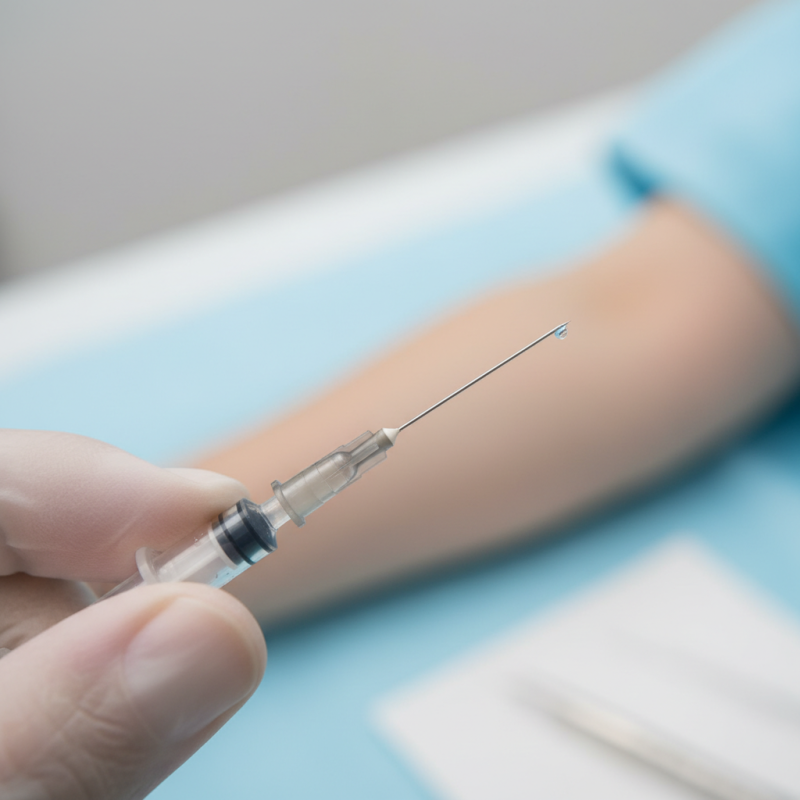
Hypo needles, also known as Hypodermic Needles, are specialized tools used in medical practices. They are primarily designed to administer medications, vaccines, and draw blood. These needles come in various sizes and gauges, catering to different types of injections and patient needs. The thinner the needle, the less pain it typically causes, making smaller gauges preferred for sensitive patients. However, using a needle that is too small can lead to complications, such as clogging or unsuccessful injections.
The structure of hypo needles is simple yet effective. They consist of a hollow tube with a sharp tip. This design allows for easy insertion into the skin. Once inserted, a plunger system can be used to inject the desired substance. Despite their effectiveness, not everyone finds them painless. Many individuals experience anxiety at the thought of needles, leading to a trend of needle-free options in some medical settings. These alternatives, while promising, still require thorough research and validation to ensure safety and effectiveness.
While hypo needles are a staple in healthcare, there are considerations for their use. Improper handling can lead to infections, or worse, needle-stick injuries. Medical professionals must receive proper training to avoid these risks. As the medical community evolves, continuing education about safe practices is crucial. The conversation around hypo needles remains vital, addressing the balance between efficiency and patient comfort.
The Design and Structure of Hypo Needles
Hypo needles are innovative medical devices designed for precise delivery of medications. Their design features a slender body, minimizing discomfort for patients. Unlike traditional needles, hypo needles utilize a unique structure that allows for smoother injections. This refined structure contributes significantly to reducing anxiety associated with needle use.
The needle tip is engineered to be ultra-sharp. This sharpness ensures it penetrates the skin effortlessly. Many patients report feeling less pain. Additionally, the barrel of hypo needles is crafted from high-quality materials, ensuring durable performance. This presents an essential aspect of their reliability in clinical settings. Despite their effectiveness, some users may still experience minor discomfort or bruising after use. Such experiences highlight the need for continued development and refinement in needle technology.
In summary, hypo needles represent a step forward in medical design. Their structure promotes a more comfortable experience, yet challenges remain. Ongoing research and user feedback are crucial for improving these devices. As healthcare evolves, so must the tools we use to ensure patient well-being.
Distribution of Hypo Needle Design Features
This chart illustrates the various design features of hypo needles used in different applications. The data represents the percentage of each feature found in commonly used hypo needles.
How Hypo Needles Function in Medical Applications
Hypo needles, also known as micro-needles, are revolutionizing medical applications. These ultra-fine needles create minimal pain during procedures. Research shows that patient anxiety decreases significantly when using hypo needles, leading to better compliance in treatments. Studies indicate that up to 70% of patients prefer these over traditional needles.
In drug delivery, hypo needles show promise by enabling transdermal absorption. This method improves bioavailability, especially for vaccines and insulin delivery. Data from industry reports highlight a projected growth rate of 25% in the transdermal drug delivery market by 2025. This growth correlates with increasing interest in needle-free alternatives for pain management.
Despite advantages, challenges remain. Proper training for healthcare providers is essential. Additionally, the optimal depth and angle for needle insertion need standardization. Ongoing research aims to improve these techniques. As the technology evolves, the potential for hypo needles in everyday medical practice seems bright, but ensuring effectiveness requires further investigation.
Advantages of Using Hypo Needles Over Traditional Needles
Hypo needles represent a significant advancement in injection technology. These needles are designed for a less painful experience compared to traditional options. Their ultra-thin design minimizes tissue trauma during injection. According to a report from the Journal of Advanced Medical Research, patients using hypo needles reported a 30% reduction in pain perception. This innovative approach has made a noteworthy impact in clinical settings.
One key advantage of hypo needles is their ability to enhance patient compliance. A study from the World Health Organization indicated that over 20% of patients avoid necessary injections due to fear of pain. Hypo needles can alleviate this concern, encouraging timely treatments. Additionally, these needles lead to less tissue damage, which may result in quicker recovery times. Patients often notice less bruising and swelling, making the overall experience more comfortable.
Despite these benefits, some healthcare providers express skepticism about adopting hypo needles. They cite concerns over cost and availability. While evidence supports hypo needles' effectiveness, further studies are needed to fully understand their long-term implications. As technology evolves, embracing these innovations may improve patient outcomes and experiences.
Safety Considerations and Potential Risks with Hypo Needles
Hypo needles are gaining attention for their innovative approach to injections. However, using them safely is critical. While they are designed to be less painful, risks still exist. Potential issues can range from improper insertion to allergic reactions. Awareness of these risks is crucial for effective and safe usage.
When considering hypo needles, keep hygiene in mind. Always ensure the needle is sterile before use. A clean and safe environment reduces infection risks significantly. After needle use, disposal must be handled properly. Never recycle needles, as this greatly increases the risk of injury or disease transmission.
It’s also essential to consult healthcare professionals. They can provide expert advice on hypo needle usage tailored to individual needs. Medical guidance can prevent adverse effects and ensure the technique is performed correctly. Personal experience with hypo needles may vary. Being informed and cautious is always the best approach.
 Skip to content


 English
 Russian
  German
  Spanish
  French
  Portuguese