How to Improve Heat Insulation for Better Energy Efficiency?
Improving Heat Insulation is crucial for enhancing energy efficiency in buildings. As noted by Dr. Emily Carter, a leading expert in the field of heat insulation, "Better heat insulation not only saves energy but also promotes comfort." Her insights emphasize the importance of integrating effective heat insulation methods.
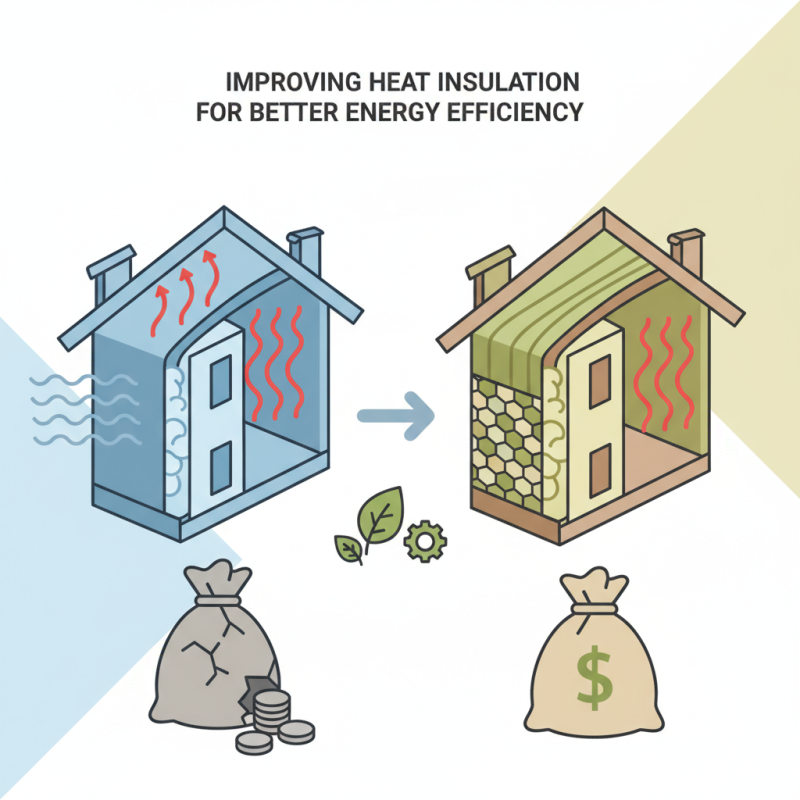
Heat insulation significantly affects energy use in residential and commercial properties. Poor insulation leads to substantial energy loss, costing homeowners money. Effective insulation materials can reduce heating and cooling demands. This shift not only benefits individual households but also contributes to a larger decrease in energy consumption.
However, improving heat insulation is not without challenges. Many property owners overlook this essential aspect, focusing instead on aesthetics. There is a need for greater awareness of insulation types, such as reflective barriers and advanced foam products. Investing in quality insulation is often seen as too costly initially, yet the long-term savings are substantial.
Understanding Heat Insulation and Its Importance for Energy Efficiency
Heat insulation plays a crucial role in enhancing energy efficiency within our living spaces. Effective insulation minimizes heat transfer, keeping homes warm during winter and cool in summer. According to the Department of Energy, homes without proper insulation can lose up to 30% of heating energy. This not only increases energy bills but also contributes to environmental degradation.
To improve heat insulation, consider the materials used in your home. Fiberglass, foam boards, and cellulose are among the most effective insulating materials. Wall cavities often go uninsulated. Improving insulation here can lead to significant savings. Adding weather stripping around doors and windows further reduces air leaks, enabling more controlled indoor temperatures.
**Tips:** Ensure attic insulation meets the recommended R-value for your climate. Regularly inspect your insulation for any signs of wear or damage. Outdated materials may be less effective, requiring replacement or upgrades. Investing in quality insulation today can lead to long-term benefits, both financially and environmentally. Reflect on your home’s current insulation and explore areas that need improvement. Making these changes is not just beneficial; it's essential.
How to Improve Heat Insulation for Better Energy Efficiency?
| Insulation Material | R-Value (m²K/W) | Thermal Conductivity (W/mK) | Typical Use |
| Fiberglass Insulation | 2.9 - 3.7 | 0.04 - 0.05 | Walls, attics, and floors |
| Foam Board Insulation | 3.1 - 5.0 | 0.022 - 0.035 | Foundations, exterior walls, and roofs |
| Spray Foam Insulation | 3.6 - 6.5 | 0.020 - 0.030 | Walls, roofs, and around ducts |
| Mineral Wool Insulation | 2.5 - 4.2 | 0.034 - 0.045 | Walls and attics |
| Cellulose Insulation | 3.1 - 3.7 | 0.040 - 0.050 | Walls and attics |
Common Materials Used for Heat Insulation in Buildings and Their Benefits
When it comes to heat insulation in buildings, selecting the right materials is crucial for enhancing energy efficiency. Traditional options like fiberglass and foam often dominate the market, yet innovation continues to shape the industry. According to a report from the U.S. Department of Energy, insulating materials can reduce heating and cooling costs by up to 30%. This figure highlights the value of effective insulation.
Fiberglass batts are popular due to their affordability and ease of installation. They offer an R-value of around 3.1 to 4.3 per inch. However, installation errors common in this type can lead to gaps, reducing effectiveness. On the other hand, spray foam insulation provides a higher R-value, approximately 6 to 7 per inch, which drastically improves thermal performance. Yet, this solution can be more costly and requires professional installation to avoid mistakes.
Some newer materials are gaining attention. Aerogel, for instance, has excellent insulating properties with minimal thickness. It’s lightweight and can achieve an R-value exceeding 10 per inch. However, it remains too expensive for widespread residential use. Each insulation option presents unique benefits and challenges, emphasizing the need for thoughtful selection to ensure optimal energy efficiency.
Common Materials Used for Heat Insulation in Buildings
Techniques for Evaluating and Enhancing Existing Insulation Systems
Evaluating insulation systems starts with a thorough inspection. Check for gaps, cracks, and signs of wear. A high-quality thermal camera can help. This tool reveals hidden leaks and areas needing attention. It makes the invisible visible, highlighting where energy loss occurs.
Next, consider the materials used in your insulation. Older materials may not provide the same efficiency as newer options. Research different types. Fiberglass, cellulose, and spray foam each have unique benefits and drawbacks. Their thermal resistance can vary significantly. Understanding these differences is critical in making informed upgrades.
Testing insulation performance can be revealing. Blower door tests measure air leaks in your home. Use this to identify where air escapes. Alternatively, you can employ infrared thermography for an immediate picture of your insulation’s effectiveness. This technique may expose areas needing more attention. Reflect on these findings to make necessary changes. Remember, not all solutions are one-size-fits-all. Tailoring approaches to your specific situation can lead to better energy efficiency.
Innovative Solutions and Technologies for Improving Heat Insulation
In today's world, enhancing heat insulation is crucial for energy efficiency. Innovative materials such as aerogels and phase change materials are making strides. These technologies trap air or store heat, creating effective barriers against temperature changes. When incorporated into building designs, they can significantly reduce energy consumption.
Another exciting development is in reflective coatings. These coatings deflect sunlight and keep interiors cooler. They can be applied to windows and roofs, making a noticeable impact on energy use during hot months. Yet, while effective, their long-term durability often raises concerns.
Lastly, recycled materials are gaining attention. Using waste products for insulation not only conserves resources but also reduces environmental impact. However, the effectiveness of these materials varies greatly, and extensive testing is needed. Continuous innovation and research will help refine these alternatives and address their challenges.
Best Practices for Implementing Effective Heat Insulation in New Constructions
When it comes to improving heat insulation in new constructions, several best practices can greatly enhance energy efficiency. The U.S. Department of Energy suggests that effective insulation can reduce energy use by up to 30%. Proper insulation helps maintain consistent indoor temperatures, leading to lower heating and cooling costs.
Selecting the right materials is crucial. For example, using foam board insulation can provide a high R-value per inch, which directly impacts thermal performance. Reports indicate that air leaks can reduce insulation effectiveness by nearly 30%. Addressing these leaks with caulk or spray foam enhances overall performance. Additionally, incorporating insulated windows can minimize heat transfer, further improving energy efficiency.
Building orientation and design also play significant roles. Positioning windows to maximize natural light can reduce reliance on artificial heating. However, poor design choices, like inadequate overhangs, may lead to overheating in summer. Therefore, it’s essential to analyze both design and insulation strategy. Each element should work together to optimize heat retention and decrease energy consumption in new constructions.
 Skip to content


 English
 Russian
  German
  Spanish
  French
  Portuguese