What is an Industrial Touch Panel and its Applications?
Industrial Touch Panels have become essential in various sectors, integrating advanced technology into user interfaces. These panels combine durability with intuitive design, catering to industries ranging from manufacturing to healthcare. Their user-friendly nature enables quick access to complex systems, enhancing operational efficiency.
The adoption of Industrial Touch Panels is notable in automation and control systems. In manufacturing plants, these panels streamline processes and reduce human error. For instance, operators can monitor machines and adjust settings with simple finger gestures. This shift not only improves productivity but also reduces training time for new employees.
However, the reliance on Industrial Touch Panels comes with challenges. Issues such as screen sensitivity and durability in harsh environments must be addressed. Companies must regularly assess the effectiveness of these panels in real-world applications. Continuous innovation is key to overcoming limitations and ensuring reliability in evolving industrial landscapes.
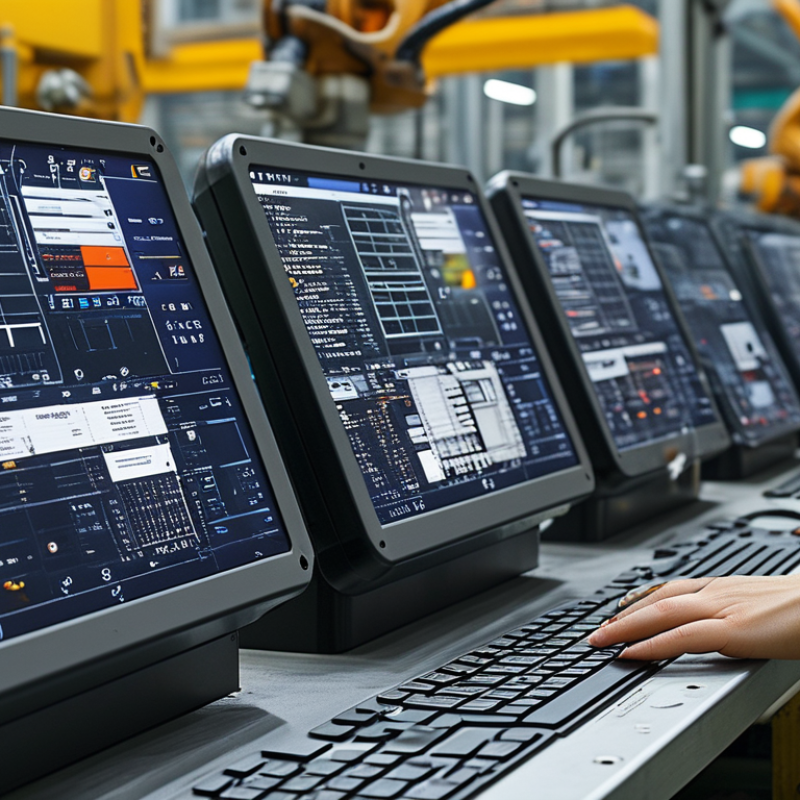
What is an Industrial Touch Panel?
Industrial touch panels are specialized interfaces designed for robust environments. These panels allow users to interact directly with machines through touch inputs. They are typically built to withstand extreme conditions, including dust, moisture, and temperature fluctuations. These features make them essential in manufacturing and other industrial sectors.
One critical aspect is their ability to enhance user experience. Touch panels can simplify complex operations, making them more intuitive. However, not all touch panels are created equal. Some may not respond well in harsh environments, which can be frustrating. It's crucial to choose panels that have proven durability and reliability.
Tips: When selecting an industrial touch panel, consider the operating environment. Ensure it meets your specific industry standards. Review user feedback and case studies to gauge performance in real-life settings. Remember that an investment in quality can save time and resources in the long run.
Moreover, applications of industrial touch panels range from process control to data entry. They are used in assembly lines, packaging, and even in monitoring systems. The versatility offered by these panels fosters efficiency and accuracy. But be aware that adapting to new technology can have a learning curve. Training staff may become necessary, revealing another layer of investment.
What is an Industrial Touch Panel and its Applications?
| Dimension | Description | Applications |
| Screen Size | Ranges from 7 inches to 32 inches or more, depending on the application requirements. | Manufacturing control panels, remote monitoring systems. |
| Touch Technology | Resistive or capacitive touchscreens, offering different response capabilities. | User interfaces in industrial equipment, kiosks. |
| Operating Temperature | Typically operates from -20°C to 70°C, suitable for harsh environments. | Outdoor applications, extreme environments. |
| Protection Rating | IP65/IP67 ratings for dust and water resistance. | Food processing, chemical industries. |
| Connectivity | Supports Ethernet, USB, RS-232, and other industrial protocols. | Integration with PLCs, SCADA systems. |
Key Features of Industrial Touch Panels
Industrial touch panels are crucial in various sectors, including manufacturing, logistics, and energy management. These panels combine functionality with durability, allowing for intuitive user interaction. They are designed to withstand harsh environments, such as extreme temperatures and dust exposure. Often, industrial touch panels feature robust glass surfaces that resist scratches and impact, ensuring longevity in demanding applications.
Another key characteristic is their versatility. These panels support multiple touch technologies, including resistive and capacitive. This adaptability enables use in different situations, from clean rooms to outdoor settings. Feedback from users emphasizes the need for responsive touch technology. Many acknowledge that not all panels perform equally under stress. A common theme in discussions revolves around potential lag and calibration issues, prompting criticism.
Integration with other systems is essential for maximizing efficiency. Industrial touch panels often include connectivity options such as USB, Ethernet, and wireless interfaces. Users sometimes find the setup challenging or confusing. This complexity can hinder initial deployment but usually pays off in streamlined operations. Regular updates and user training can mitigate these concerns. As industries continue to evolve, the demand for reliable and user-friendly interfaces remains paramount.
Common Applications in Manufacturing and Automation
Industrial touch panels are essential components in modern manufacturing and automation. These interfaces allow operators to interact directly with machines. They simplify monitoring and control processes. According to a report by MarketsandMarkets, the industrial touch panel market is expected to grow at a rate of 8.2% from 2021 to 2026. This growth highlights their increasing importance in various industrial applications.
In manufacturing settings, touch panels streamline operations. They provide real-time data, which enhances decision-making. Operators can quickly adjust settings or respond to alarms, improving operational efficiency. Reports show that manufacturers using touch panels can reduce downtime by up to 30%. This technology is prevalent in programmable logic controllers (PLCs) and human-machine interfaces (HMIs). However, there are challenges in maintaining these systems. Regular calibration and software updates are vital to ensure reliability.
Automation is another field where industrial touch panels excel. They are integral in robotics and conveyor systems. The intuitive interfaces make it easier for workers to input commands and receive feedback. Despite their advantages, the integration process can be complex. A thorough understanding of existing systems is necessary for seamless implementation. Some industries still hesitate due to the initial investment and training requirements. Balancing costs with potential gains is crucial for successful adoption.
Innovations in Touch Panel Technology
Innovations in touch panel technology have transformed numerous industries. A recent report by MarketsandMarkets shows the global touch screen market is projected to reach $90 billion by 2026. This rapid growth is fueled by advances in touchscreen technology, including capacitive and resistive styles.
New materials like graphene are enhancing the durability and responsiveness of touch panels. These innovations lead to better performance in industrial settings, where reliability is crucial. For example, touch panels in manufacturing facilitate real-time monitoring. Workers can access vital data with just a fingertip. However, challenges remain. The integration of these technologies into existing systems can be complex and costly.
Moreover, user experience often varies across applications. A well-designed interface can significantly boost productivity. But poorly designed systems may frustrate operators, leading to decreased efficiency. It’s essential for manufacturers to consider usability when implementing touch panel technology. Balancing innovation and practicality is a task that requires ongoing reflection and adaptation to ensure optimal effectiveness in the workplace.
Benefits and Challenges of Using Touch Panels in Industry
Industrial touch panels serve as vital interfaces in modern manufacturing environments. They offer intuitive control over machinery and processes. However, their adoption comes with both benefits and challenges.
One significant advantage is the ease of use. Touch panels simplify operator interaction, reducing the likelihood of errors. Reports indicate that organizations implementing touchscreens in manufacturing saw a 25% reduction in training time. Moreover, access to real-time data enhances decision-making capabilities. This can lead to better productivity and fewer operational delays.
Nonetheless, challenges exist. Touch panels can pose durability issues in harsh industrial conditions. Dust, moisture, and temperature fluctuations can impair functionality. A survey by industry experts revealed that 30% of manufacturers experienced equipment failures due to environmental factors. Additionally, while touch technology improves interface interaction, it may not suit all tasks, particularly those requiring precision. Balancing functionality and durability is crucial for successful implementation.
Industrial Touch Panels: Benefits and Challenges
 Skip to content


 English
 Russian
  German
  Spanish
  French
  Portuguese