What is a Lamination Machine and How Does It Work?
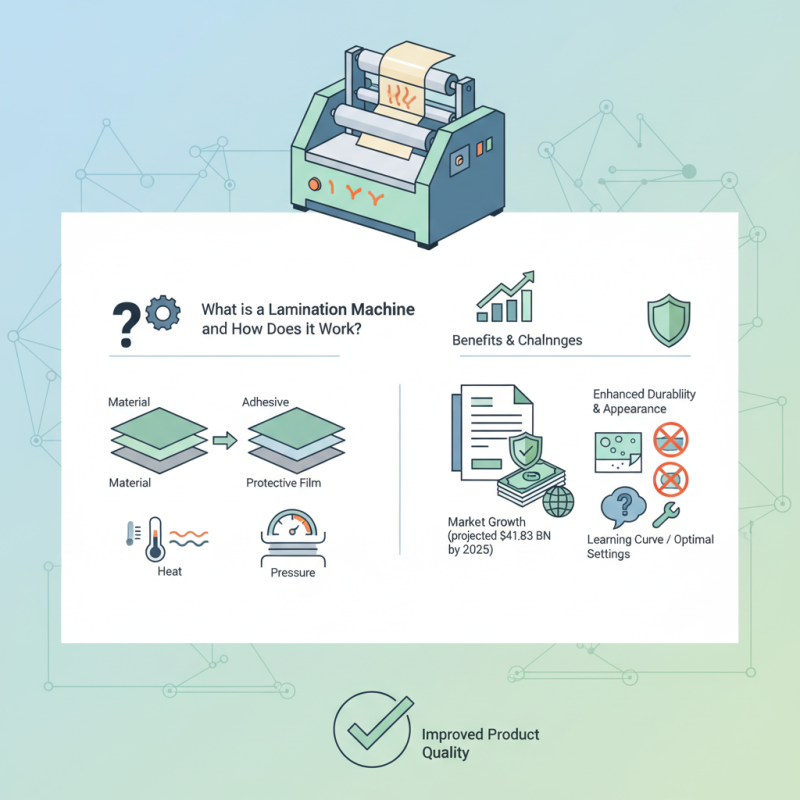
In the modern printing and packaging industry, a Lamination Machine plays a vital role. This equipment provides a protective layer to various materials, enhancing durability and appearance. According to a recent market analysis by Grand View Research, the global laminating films market is expected to reach $41.83 billion by 2025. This growth highlights the increasing demand for lamination solutions.
Operating a Lamination Machine involves the use of heat and adhesive to bond layers together. It creates a finish that is not only aesthetically pleasing but also functional. Nonetheless, the learning curve for optimal settings can be steep. Many operators struggle to find the right temperature and pressure for different materials, resulting in waste.
The benefits of lamination are clear, yet challenges exist. For instance, imperfect laminating can lead to bubbles or peeling. Industry feedback indicates that achieving a perfect seal remains elusive for some users. Despite these obstacles, a Lamination Machine ultimately contributes significantly to product quality in many sectors.
What is a Lamination Machine? An Overview of Its Functionality
A lamination machine is a device used to encapsulate documents or materials in a protective layer. It primarily uses heat and pressure to bond a thin plastic film to both sides of a document. This process enhances durability and resistance to moisture, dirt, and physical damage. Many industries rely on lamination machines, including education, healthcare, and manufacturing, to preserve vital documents.
According to recent industry reports, the global lamination equipment market is expected to witness significant growth, projected to reach $2 billion by 2025. This surge is driven by the increasing need for document protection and improved presentation. Many businesses prefer cold lamination machines due to reduced energy consumption and safety features. However, users often encounter issues like inconsistent adhesion. This can lead to waste and frustration during high-volume projects.
The simplicity of operation makes lamination machines appealing. Yet, improper settings can result in bubbles or wrinkles. Addressing these imperfections is key for professionals looking to maintain quality. Despite advancements, some still find the process challenging. Continuous training and awareness of best practices can help mitigate these issues. As the market expands, addressing these shortcomings will be crucial for long-term success.
Lamination Machine Functionality Overview
Different Types of Lamination Machines and Their Applications in Industry
Lamination machines come in various types, each designed for specific applications in different industries. For instance, thermal lamination machines use heat and pressure to bond laminating film to printed materials. This type is commonly found in printing houses. The end product is durable and less prone to wear and tear. It enhances the appearance of menus, brochures, and other marketing materials.
Cold lamination machines, on the other hand, utilize adhesive instead of heat. This method is ideal for materials sensitive to heat, such as photographs or certain types of paper. Users appreciate the ease and speed of this process. However, cold lamination might not offer the same level of protection as thermal options. Companies must choose wisely based on their material needs.
Additionally, there are roll-to-roll lamination machines suited for large-scale operations. These machines streamline high-volume production but can be complex to set up and maintain. There is a learning curve involved. Mistakes may happen, leading to wasted materials. Therefore, proper training is essential. Each type of lamination machine has its benefits and drawbacks. Knowing these can significantly influence production efficiency in various sectors.
Key Components of a Lamination Machine and Their Roles
A lamination machine is an essential tool in many industries. It helps to preserve documents, enhance durability, and improve aesthetics. Understanding its key components is vital for effective operation.
The main components of a lamination machine include the heating element, rollers, and cooling system. The heating element is crucial. It softens the laminate film, allowing it to bond with the material. Often, operators overlook the importance of maintaining proper temperature. A study found that 25% of users experienced issues due to incorrect settings.
Rollers play a significant role. They ensure proper pressure is applied during the lamination process. A well-calibrated roller can reduce air bubbles and wrinkles. However, improper alignment can lead to wasted materials, an issue reported by 30% of operators. The cooling system is equally important. Once laminated, materials must cool down for optimal adhesion. Neglecting this step can result in peeling corners and compromised quality.
Maintaining each component is vital. Regular checks can prevent costly mistakes. Data suggests that nearly 40% of lamination failures stem from equipment neglect. Understanding these components can lead to better results. Operators must refine their processes for efficiency and quality.
The Lamination Process: Step-by-Step Guide to Lamination
Lamination is a simple yet effective process. It helps protect documents and enhance their appearance. The first step involves choosing the right materials. You need lamination pouches and a suitable machine. Ensure the pouches are slightly larger than the item you want to laminate. This prevents any edges from lifting post-lamination.
Next, place the item inside the pouch. Trim any excess material, but not too close. A slight buffer ensures the edges stay sealed. When using the lamination machine, let it heat up according to the manufacturer’s instructions. Feed the pouch in carefully. It may take a bit of practice to get it right. If the machine jams, don’t panic. This happens often, and it’s a learning experience.
After lamination, the document should look shiny and new. However, don’t expect perfection every time. Air bubbles might form, or the edges may not seal completely. These imperfections can teach valuable lessons about the process. Over time, you will improve your lamination skills. Adjusting pressure and temperature settings can make a significant difference. Each attempt is a step toward mastery.
Industry Statistics: Market Growth and Usage of Lamination Machines
The lamination machine market has shown significant growth over the past few years. According to a report by Research and Markets, the global lamination machine market size reached approximately $3 billion in 2022. It is projected to grow at a compound annual growth rate (CAGR) of around 4% over the next five years. This growth reflects a rising demand across various industries, including packaging, printing, and automotive.
In the packaging sector, lamination machines are essential for creating moisture-resistant and durable packaging. The demand for flexible packaging is increasing, driven by consumer preferences for convenience and sustainability. The flexible packaging market is anticipated to reach $250 billion by 2027, illustrating the critical role of lamination machines in supporting this trend. However, there are challenges. Many companies struggle with machine maintenance and operational efficiency. Poor maintenance can lead to increased downtime and unsatisfactory product quality.
Moreover, the adoption of innovative technologies, such as digital lamination, is on the rise. Industry analysts report that this trend could reshape market dynamics. Nonetheless, some manufacturers remain hesitant to adopt these new methods. They face high initial costs and a lack of skilled labor. Addressing these issues will be vital for sustained growth in the lamination machine market.
 Skip to content


 English
 Russian
  German
  Spanish
  French
  Portuguese