How to Maintain Rotating Machines for Optimal Performance?
Rotating Machines play a vital role in various industries, from manufacturing to energy generation. Their efficiency directly impacts overall productivity and operational costs. Thus, proper maintenance is critical. Neglecting these machines can lead to costly downtimes and repairs.
Regular inspections are essential for the health of rotating machines. Small issues often turn into significant problems if overlooked. For instance, monitoring vibration levels can reveal imbalances early. Proper lubrication also minimizes wear and tear. Remember, even minor details matter when maintaining equipment.
Yet, companies often overlook training staff on maintenance protocols. This can result in inconsistent practices. Equipment could suffer due to a lack of knowledge. On the other hand, investing in training can pay off. Knowledgeable staff can extend the lifespan of rotating machines significantly. Overall, a proactive approach to maintenance fosters reliability and peak performance.
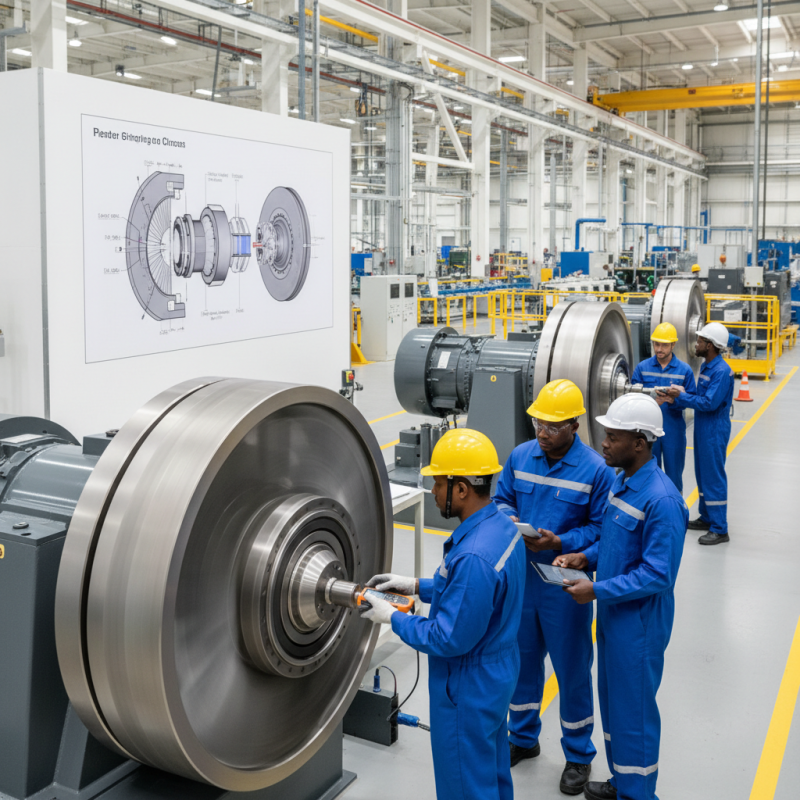
Understanding the Basics of Rotating Machine Maintenance
Maintaining rotating machines is essential for ensuring their optimal performance. These machines are predominant in industries such as manufacturing, energy, and transportation. According to a report from the International Journal of Advanced Manufacturing Technology, improper maintenance can decrease efficiency by up to 25%. Understanding the basics of maintenance can help mitigate these losses.
Regular inspections are crucial. Look for abnormal vibrations, excessive heat, and unusual noises. These signs often indicate underlying issues. Not addressing these can lead to full system failures. Industry experts recommend keeping a maintenance log. This helps track performance trends and identify recurring problems.
**Tips**: Always follow safety protocols. Use proper tools and ensure power is off before servicing machines. Consider condition monitoring systems. They can detect problems early, reducing downtime.
Lubrication is another key element of maintenance. Too little lubricant leads to increased friction. Too much can cause overheating. Finding the right balance is vital. Many operators overlook this, which can result in costly repairs. Regularly check lubricant levels and types, following manufacturer guidelines where possible.
Identifying Common Issues in Rotating Machines
Rotating machines are essential in many industries. They can encounter various issues that affect their performance. Common problems include vibrations, misalignments, and excessive wear. These issues can lead to downtime and costly repairs.
Vibrations are often the first sign of trouble. They can indicate loose components or imbalance. Regular monitoring can help detect vibrations early. Misalignment, on the other hand, can cause additional strain on bearings and shafts. Often, alignment is neglected, leading to premature failure.
Excessive wear is another critical concern. It's easy to overlook regular maintenance. Small wear patterns can develop into bigger issues. Operators should regularly inspect for wear and replace parts when necessary. Ignoring these details can lead to larger, more expensive problems down the line.
How to Maintain Rotating Machines for Optimal Performance
This bar chart illustrates common maintenance issues identified in rotating machines along with their corresponding frequency of occurrence based on survey data from maintenance professionals. The goal is to highlight areas requiring attention for optimal performance.
Establishing a Regular Maintenance Schedule
Establishing a regular maintenance schedule is crucial for the longevity of rotating machines. According to a report from the U.S. Department of Energy, improper maintenance can lead to a 30% loss in performance efficiency. Each machine should undergo regular inspections, including vibration analysis and thermal imaging. These methods can help identify potential issues before they escalate.
A typical maintenance schedule may involve weekly checks for lubrication and alignment. Monthly inspections could include a review of components like bearings and seals. However, many facilities overlook these vital steps. A study from the Reliability Data Institute found that 25% of rotating machinery experiences unplanned downtime due to poor maintenance practices. This downtime can significantly impact productivity.
It's essential to adapt the maintenance frequency based on operational conditions. High-load environments require more frequent checks. Frequent communication with operators can enrich maintenance schedules. Sometimes, machines simply don’t perform as expected. Collecting operational data is key, yet many organizations fail to implement comprehensive tracking systems. Balancing thoroughness and efficiency often proves challenging.
Implementing Effective Lubrication Practices
Effective lubrication practices are crucial for the optimal performance of rotating machines. Proper lubrication reduces friction and wear in mechanical components. It minimizes energy loss and enhances overall efficiency. Many technicians overlook the importance of regular checks on oil levels and conditions. This neglect can lead to premature failures and costly downtime.
Choosing the right lubricant is also essential. Not all oils are suitable for every application. Viscosity, temperature range, and load capacity must match the machine’s requirements. Additionally, over-lubricating can cause seal failures and leakages. It's a delicate balance that often requires careful consideration. Regular training on lubrication techniques can improve understanding.
Maintenance schedules should include lubrication routines. These should not just focus on how often to lubricate, but also on what techniques to use. Greasing too frequently or too infrequently can lead to issues. Examine machinery regularly for leaks and contamination. The goal is to adopt practices that ensure consistency and effectiveness in lubrication. Many find it challenging to maintain these standards, but paying attention to details can prevent many future problems.
How to Maintain Rotating Machines for Optimal Performance? - Implementing Effective Lubrication Practices
| Maintenance Aspect | Recommended Practice | Frequency | Notes |
| Lubrication Schedule | Establish a regular lubrication schedule based on machine usage | Monthly | Adjust based on machine load and operational hours |
| Oil Change | Replace oil with appropriate type | Every 500 hours of operation | Use manufacturer-recommended oil |
| Filter Replacement | Replace lubrication filters | Every 6 months | Check for clogging |
| Grease Application | Apply grease to bearings and high-load areas | Bi-weekly | Avoid over-greasing |
| Vibration Analysis | Perform vibration analysis to detect potential issues | Quarterly | Use vibration monitoring equipment |
Monitoring Performance and Making Adjustments
Monitoring performance is crucial for the longevity of rotating machines. Regular checks can reveal wear and tear before they lead to failures. Data from the International Journal of Engineering Research shows that about 30% of machine failures result from inadequate monitoring. Simple metrics, such as vibration and temperature readings, can provide immediate insights into machine health.
Adjustments to operating parameters may be necessary to maintain optimal performance. For instance, if vibration levels exceed acceptable thresholds, recalibrating alignment can prevent further issues. A study by the Maintenance Technology Magazine indicated that machines in good alignment can save up to 25% on energy costs. However, not all adjustments will yield immediate results, and some might require trial and error.
It’s essential to reflect on the monitoring process itself. Are the intervals for checks set appropriately? Are the right metrics being used? Sometimes, data is recorded but not analyzed thoroughly. Inconsistent monitoring can lead to overlooked problems. Prioritizing consistent and accurate observations is key to ensuring the efficiency of rotating machines.
 Skip to content


 English
 Russian
  German
  Spanish
  French
  Portuguese