Why Do You Need a Grill Thermometer for Perfect Cooking
When it comes to grilling, precision matters. A Grill Thermometer is an essential tool for achieving perfect cooking results. Many grill enthusiasts rely on guesswork, but this approach can lead to overcooked or undercooked meat. The right temperature ensures optimal flavor and texture, which is crucial for any chef or home cook.
Investing in a Grill Thermometer elevates your grilling game. It takes the uncertainty out of cooking, allowing you to focus on other aspects of your meal. With accurate readings, you can ensure that every piece of meat is cooked to perfection. Misjudging the temperature can result in tough steak or dry chicken, leaving room for disappointment.
Using a Grill Thermometer not only enhances your dishes but also builds your confidence as a cook. It helps you understand the science behind cooking temperatures, giving you a deeper appreciation for the art of grilling. Embrace this tool for a reliable cooking experience, and you’ll be surprised at how it transforms your culinary skills.
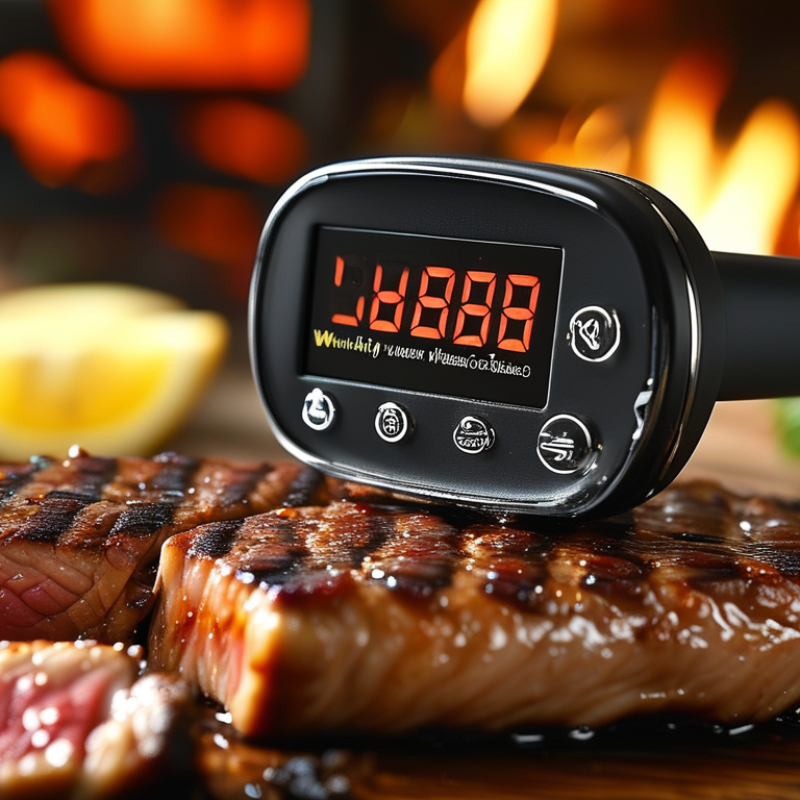
The Importance of Accurate Temperature Control in Grilling
Grilling is both an art and a science. To master this craft, accurate temperature control is crucial. A grill thermometer helps you achieve the perfect doneness while ensuring food safety. Without proper temperature monitoring, you risk serving undercooked meat or over-charring your favorites. Many people rely on timing alone, but this can lead to disappointments.
Using a thermometer allows you to focus on the flavors and techniques of grilling, instead of guessing when the food is ready. Aim for specific internal temperatures according to the type of meat you are cooking. For beef, medium-rare is typically around 135°F. Chicken, on the other hand, should reach at least 165°F for safe consumption.
Remember, some thermometers can provide quick readings while others take longer, which may not be great in a busy grilling session. Consider a reliable model that suits your style. Check your thermometer regularly for accuracy, as frequent use can cause variances. Don’t ignore the importance of calibrating your tool, as a small mistake can lead to a ruined meal. Keep it nearby for an effortless grilling experience.
Grill Thermometer Importance in Cooking
Using a grill thermometer ensures your cooking temperatures are accurate, improving the overall quality and safety of your food. This chart illustrates the recommended internal cooking temperatures for different levels of meat doneness.
Understanding the Science Behind Meat Doneness Temperatures
Cooking meat to perfection requires an understanding of doneness temperatures. Each level of doneness has a specific temperature range. For instance, medium-rare steak reaches 135°F (57°C), while medium is around 145°F (63°C). Cooking below the recommended internal temperatures can lead to foodborne illnesses, as undercooked meat can harbor harmful bacteria. The USDA recommends a minimum internal temperature of 165°F (74°C) for poultry to ensure safety.
Grill thermometers play a crucial role in achieving the right doneness. Many cooks rely on guesswork, which can result in overcooked or undercooked meat. A report from the National Cattlemen's Beef Association indicates that nearly 40% of consumers cook their steaks incorrectly. This highlights the importance of using a reliable thermometer to gauge meat temperature accurately.
Understanding meat doneness also involves appreciating the resting period. After cooking, meat should rest for about five minutes per inch of thickness. This allows juices to redistribute, enhancing flavor and tenderness. Without a thermometer, it is easy to overlook this essential step, resulting in a dried-out meal. Proper temperature control leads to better cooking outcomes and a more enjoyable dining experience.
How Grill Thermometers Enhance Food Safety and Reduce Risks
Grill thermometers play a crucial role in food safety. They help ensure meats are cooked to the right temperatures, effectively killing harmful bacteria. Relying solely on timing can be misleading. No two grills heat the same way, and temperatures can vary at different spots. A thermometer removes the guesswork.
Using a grill thermometer can significantly reduce health risks. Undercooked meats can lead to foodborne illnesses. For example, ground beef needs to reach 160°F to be safe. Checking the internal temperature can avoid serious health repercussions. If you forget to use the thermometer, it could lead to a meal that’s both unsafe and unsatisfactory.
Consistency is another benefit. Imagine grilling a juicy steak, only to find it’s overcooked. A thermometer helps achieve perfect doneness every time. While some may feel confident cooking without one, many face struggles with undercooked or dry meat. Embracing the use of a grill thermometer can transform your cooking experience for the better.
Comparison of Digital vs. Analog Grill Thermometers: Which is Better?
When it comes to grilling, achieving the perfect doneness is an art. This is where the choice between digital and analog grill thermometers comes into play. Digital thermometers offer quick readings, often within seconds. They can be off by a degree or two, but accuracy is paramount for food safety. According to industry research, using a digital thermometer can reduce the risk of undercooked meats by up to 30%. This is especially critical for poultry, which must reach an internal temperature of 165°F.
On the other hand, analog thermometers are praised for their simplicity and reliability. They can handle high heat without draining batteries. However, reading them may take some practice. Many users find the dial a bit hard to interpret at a glance. A survey of grilling experts indicates that while 60% prefer digital models for speed, 40% appreciate the classic feel of analog types. Both have their place in the grillmaster's toolkit, but thinking critically about their strengths and weaknesses is essential.
Some cooks still rely on the "feel" of meat to judge doneness, which can lead to inconsistencies. This subjective method may skew results, especially for those new to grilling. By incorporating a reliable thermometer, the risk of serving undercooked food decreases significantly. A good thermometer, whether digital or analog, can enhance the grilling experience and ensure food is cooked to perfection.
Why Do You Need a Grill Thermometer for Perfect Cooking - Comparison of Digital vs. Analog Grill Thermometers: Which is Better?
| Feature | Digital Grill Thermometers | Analog Grill Thermometers |
| Accuracy | +/- 1-2°F | +/- 3-5°F |
| Reading Speed | Instant readings (few seconds) | Slower readings (up to 30 seconds) |
| Ease of Use | User-friendly with digital display | Requires reading scale, less intuitive |
| Battery Requirement | Requires batteries | No batteries required |
| Durability | Higher chance of damage due to electronics | More rugged and long-lasting |
| Price Range | $10 - $100 | $5 - $50 |
| Best Use Scenario | For precise cooking and advanced grilling | For traditional grilling and basic use |
Key Features to Look for in a Quality Grill Thermometer
When grilling, accuracy is crucial for achieving the desired doneness. A quality grill thermometer can make all the difference in your cooking. You should look for features that enhance both functionality and usability. A fast response time is essential. You want quick readings to avoid overcooking. Also, consider the temperature range. A good thermometer covers a wide range of temperatures for both meats and other foods.
The display is another key feature. An easy-to-read screen helps you monitor cooking without constant checking. Waterproof designs can be beneficial, too, especially when using your grill outdoors. A sturdy construction ensures durability against heat and outdoor elements.
Wireless connectivity might seem advanced, but it allows remote monitoring. This can be a game-changer, especially if you attend to other tasks. However, it’s also important to think about battery life. A thermometer that drains batteries quickly can become a hassle. For all its advantages, even the best thermometer may give inconsistent readings. Regular calibration checks are needed to maintain accuracy. Investing time in understanding these features can elevate your grilling game.
 Skip to content


 English
 Russian
  German
  Spanish
  French
  Portuguese