Top 10 Overlap Welding Wire Production Line Solutions?
The increasing demand for high-quality welding wires has driven advancements in manufacturing technology. Overlap Welding Wire Production Line solutions are at the forefront of this industry shift. According to a recent market analysis, the welding wire production market is expected to grow by 5.4% annually over the next five years. This surge presents challenges and opportunities for manufacturers.
Implementing efficient production lines can enhance productivity. However, not all solutions meet industry standards. It's vital to analyze and adopt the top ten Overlap Welding Wire Production Line solutions highlighted in this article. These solutions showcase various approaches and technologies. Despite their benefits, manufacturers must remain critical of their selections. Oversights can lead to operational inefficiencies and increased costs. Thus, careful evaluation is essential.
Ultimately, focusing on the latest technological advancements is key to staying competitive. Collaborating with experienced partners can help navigate the complexities of overlap welding wire production. This is crucial for ensuring product reliability and meeting market demands. In the end, thoughtful implementation will determine success in this growing sector.
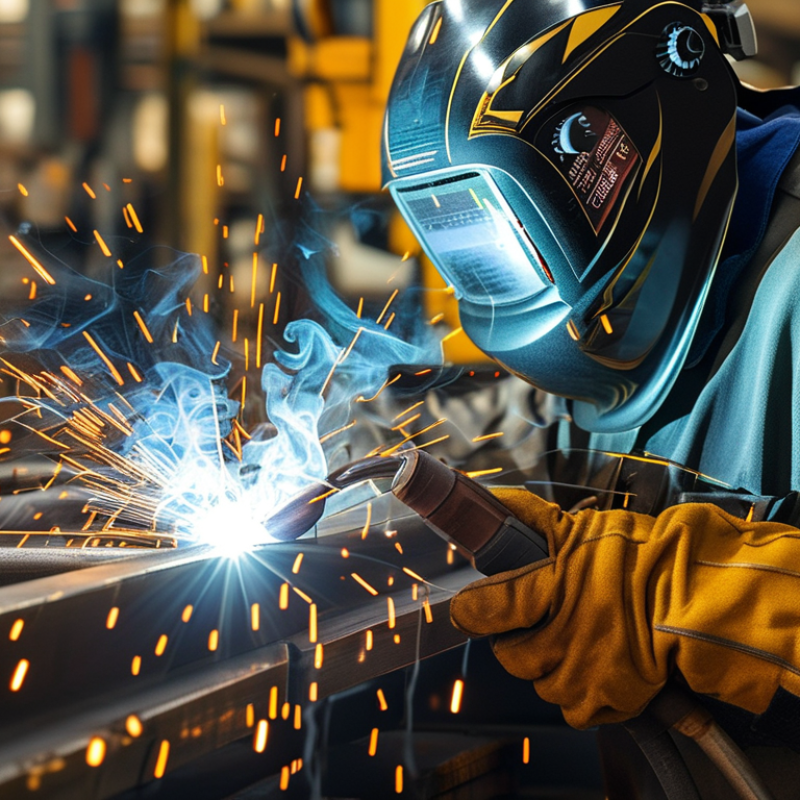
Overview of Overlap Welding Wire Production Line Technology
Overlap welding wire production lines are essential in various manufacturing sectors. This technology specializes in joining metal wires through a process that enhances strength and durability. The method employs precise heating techniques that create a strong bond, ensuring high-quality output.
One of the key aspects of overlap welding is the setup of the production line. Factors such as wire diameter, type of material, and required speed must be considered. The arrangement often includes multiple stations for wire feeding, heating, and cooling. Each station needs careful calibration to ensure effectiveness. Different configurations can yield varying results, leading to a need for ongoing adjustments and monitoring.
Another important consideration is the choice of heating method. Common techniques include resistance and induction heating, but the optimal selection depends on specific production demands. Operators must be skilled in recognizing signs of inefficiency. Over time, accumulated wear on equipment may also affect performance. Regular maintenance and personnel training can help maintain output quality but require consistent effort and resources.
Key Components of an Overlap Welding Wire Production Line
Overlap welding wire production lines rely on several key components for optimal performance. The wire feeder plays a crucial role, delivering consistent wire feed rates. Precision in this component ensures uniformity in welding quality, reducing defects. A reliable power source is equally important, as it affects the energy input necessary for effective overlap welding. The type of power supply can influence the welding speed and overall efficiency.
Welding torches should be adaptable and ergonomic, allowing for easy maneuverability. A good torch design minimizes operator fatigue during long production runs. Additionally, quality control systems are essential. These systems monitor parameters like weld strength and wire tension. They help identify issues in real-time, ensuring a high standard of output. Without effective quality control, defects can go unnoticed, leading to costly reworks.
Automation is another vital component of modern overlap welding lines. Automated systems can streamline operations and reduce labor costs. However, reliance on automation can sometimes lead to oversights. Regular checks and balances are necessary to ensure everything runs smoothly. It’s vital to maintain both technology and human oversight in the production process. Balancing these elements is key to achieving efficiency in overlap welding wire production.
Factors Influencing the Efficiency of Welding Wire Production Lines
In the welding wire production line, several factors impact efficiency. The design and layout of machinery play a crucial role. An optimized workspace minimizes material handling time. Machines must be well-placed to ensure smooth workflow. Workers can face challenges if equipment is not easily accessible. Regular maintenance can also be overlooked, causing unexpected downtimes.
Another significant factor is the quality control process. Inconsistent raw materials can lead to defects. A robust quality assurance system is essential. It should identify issues early in production. Training staff to recognize defects is equally important. Insufficient training may lead to repeated mistakes. This not only wastes resources but also compromises the final product.
Automation has emerged as a key player in enhancing productivity. Advanced technology can streamline operations. However, implementation can be costly and complex. Companies may resist change due to financial constraints. Additionally, over-reliance on automation might cause skill gaps among workers. Balancing technology with skilled labor is vital for long-term success.
Comparative Analysis of Leading Overlap Welding Wire Solutions
In the landscape of overlap welding wire production, several solutions emerge as front-runners. A comparative analysis reveals crucial differences in efficiency and quality. Recent industry reports indicate that automation plays a significant role in enhancing production rates. Automated systems can increase output by up to 30%, compared to traditional methods. However, initial setup costs can be a barrier for many manufacturers.
Efficiency doesn't solely depend on automation. Material quality is equally vital. Wire made from high-grade materials shows better consistency and fewer defects. An industry report suggests that using premium materials can reduce waste by nearly 15%. It’s essential for manufacturers to weigh the costs against long-term benefits. Decision-makers must also consider the evolving demands of the market.
Tip: Regular maintenance of your welding line can prevent costly downtimes. Short maintenance intervals, even on automated lines, keep production smooth.
While leading solutions offer promising advancements, they also require a full understanding of operational challenges. Some companies report struggles with workforce training for new technologies. Comprehensive training programs can help bridge this gap. However, they necessitate investment in time and resources. Reflecting on these factors is crucial for selecting the right production line solution.
Top 10 Overlap Welding Wire Production Line Solutions
| Rank | Production Speed (m/min) | Wire Diameter Range (mm) | Power Consumption (kW) | Key Features |
| 1 | 60 | 0.8 - 2.0 | 50 | Automated feeding system, real-time monitoring |
| 2 | 55 | 0.6 - 1.8 | 45 | High precision control, low maintenance |
| 3 | 62 | 0.7 - 2.2 | 55 | Advanced cooling system, user-friendly interface |
| 4 | 58 | 0.9 - 1.9 | 48 | Integrated quality control, energy-efficient operation |
| 5 | 57 | 0.8 - 2.1 | 49 | Remote diagnostics, robust design |
| 6 | 61 | 0.5 - 2.0 | 51 | Flexible programmable settings, increased output |
| 7 | 54 | 0.6 - 1.7 | 46 | Safety features, rapid changeovers |
| 8 | 59 | 0.4 - 2.3 | 52 | Cost-effective, modular design |
| 9 | 56 | 0.7 - 1.6 | 44 | User-friendly setup, high durability |
| 10 | 53 | 0.8 - 1.9 | 43 | Efficient wire handling, long service life |
Future Trends in Overlap Welding Wire Manufacturing Technologies
The future of overlap welding wire manufacturing is shaped by emerging technologies and processes. Automation plays a major role in this evolution. Advanced machinery is now equipped with intelligent sensors. These sensors improve efficiency and precision in production lines.
Tips: Implementing automation requires training staff to adapt to new systems. A skilled workforce is crucial for any technological upgrade.
Another trend is the use of eco-friendly materials. These materials reduce the environmental impact of production. Manufacturers are changing their processes to comply with regulations. This shift often leads to challenges. It is crucial to balance sustainability and product quality.
Tips: Conduct regular assessments of material suppliers to ensure compliance with environmental standards. Look for innovative materials that offer performance without compromising sustainability.
The integration of data analytics is also gaining traction. Real-time data can pinpoint inefficiencies in production. However, not all manufacturers are ready for this change. This can lead to missed opportunities for improvement.
Tips: Invest in training programs that focus on data literacy. Encourage teams to embrace a data-driven approach to problem-solving.
 Skip to content


 English
 Russian
  German
  Spanish
  French
  Portuguese