What is a Pyrolysis Oil Refining Plant and How Does It Work?
The Pyrolysis Oil Refining Plant represents a significant advancement in waste management and energy production. This innovative facility transforms organic materials into valuable pyrolysis oil through a high-temperature, low-oxygen process. Many industries are exploring this technology for its potential to recycle waste and reduce environmental impact.
Operating a Pyrolysis Oil Refining Plant requires specialized knowledge and technical expertise. The process involves careful control of temperature and pressure to ensure optimal oil yield. Some plants may face challenges, such as the variability of feedstock and equipment maintenance. These factors can influence the efficiency and reliability of the operation.
Despite these challenges, the benefits are substantial. The pyrolysis oil produced can serve as a renewable energy source, potentially reducing reliance on fossil fuels. This technology paves the way for a more sustainable future. Continuous research and development in this field can lead to improved methods and increased adoption of Pyrolysis Oil Refining Plants globally.
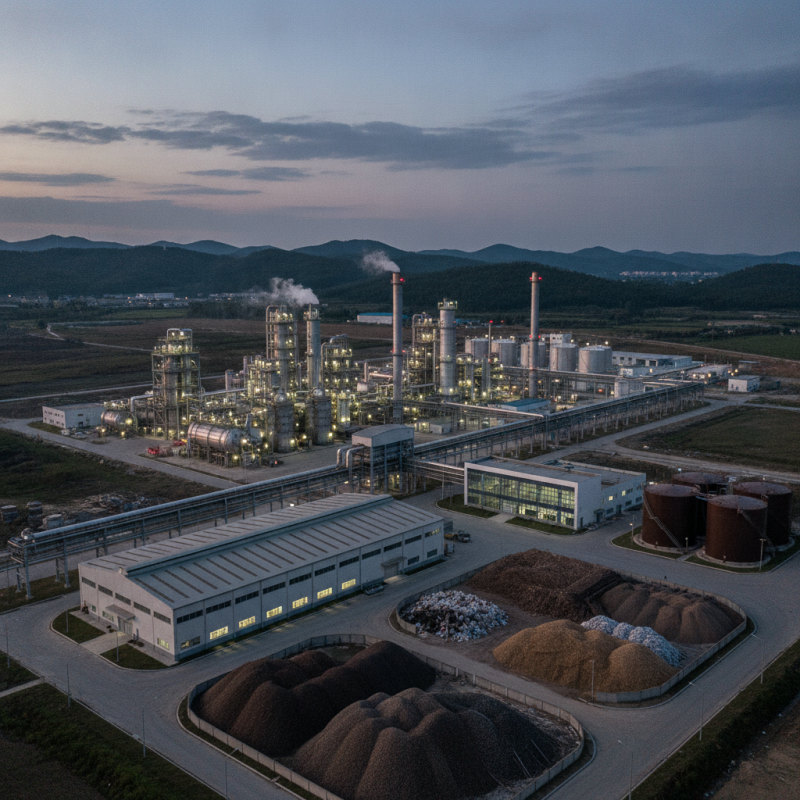
What is Pyrolysis Oil?
Pyrolysis oil, also known as bio-oil, is a liquid produced from the thermal decomposition of organic materials. This process occurs in the absence of oxygen, making it an efficient way to convert biomass into usable fuel. Pyrolysis can handle various feedstocks, including agricultural waste, forestry residues, and even certain types of plastic. The result is a dark, viscous liquid that contains a mixture of water, organic compounds, and energy-rich hydrocarbons.
The potential of pyrolysis oil is significant. It can be processed into fuels for transportation or used as a feedstock for chemicals. However, the quality of the oil varies with the feedstock and the pyrolysis conditions. Higher moisture content in feedstock can lead to lower yields and quality. Contaminants can also complicate the refining process. Users often face challenges in optimizing the pyrolysis parameters to achieve desirable oil characteristics. Understanding these dynamics is crucial for advancing this technology. Careful adjustments can lead to improvements in both energy content and stability of the oil produced.
Key Components of a Pyrolysis Oil Refining Plant
A pyrolysis oil refining plant is an intricate facility designed to convert organic materials into valuable liquid fuels. Central to this process are several key components that work together seamlessly. The feedstock preprocessing unit is essential; it prepares raw materials by shredding and drying them. Proper preparation enhances the efficiency of pyrolysis, ensuring more consistent output.
The reactor is the heart of the operation. In this chamber, high temperatures break down the organic material. During pyrolysis, oxygen is excluded to prevent combustion. This delicate balance creates a variety of products, including bio-oil, syngas, and char. Each product has distinct applications. The condensation unit then collects the vaporized products, turning them back into liquid form.
Finally, the upgrading unit refines the pyrolysis oil for further use. It removes impurities to enhance quality. However, achieving optimal results can be challenging. Some operators struggle with consistent quality and energy efficiency. Continuous monitoring and adjustment are needed to overcome such issues. This complexity highlights the expertise required in managing a pyrolysis oil refining plant effectively.
The Pyrolysis Process: Step-by-Step Explanation
The pyrolysis process converts organic materials into useful products. It involves heating without oxygen. Here’s a step-by-step explanation.
The feedstock, often waste materials like plastics or rubber, enters the reactor. It is then heated to around 300-800 degrees Celsius. At these temperatures, thermal decomposition occurs, breaking down complex molecules. This creates gases, oils, and char. The quality of the feedstock can significantly affect the output.
After pyrolysis, the vapors cool and condense into pyrolysis oil. This oil can be used as a renewable energy source. According to a report by the International Renewable Energy Agency, pyrolysis oil could reduce CO2 emissions by 70%. However, the refining process still faces challenges. For example, impurities in the oil can hinder its use in engines.
Tip: Monitor the feedstock quality closely. A consistent feed leads to a more stable output. Maintaining the reactor temperature is crucial. Excessively high or low temperatures may decrease the product yield.
What is a Pyrolysis Oil Refining Plant and How Does It Work?
| Dimension | Description |
| Feedstock | Organic materials such as plastics, biomass, tires, and industrial waste. |
| Process Temperature | Typically ranges from 300°C to 900°C. |
| Products | Pyrolysis oil, syngas, and char. |
| Applications | Used as a renewable energy source, chemical feedstock, and in manufacturing. |
| Environmental Impact | Reduces waste and greenhouse gas emissions compared to traditional disposal methods. |
| Yield | Typically 60-75% liquid product from feedstock. |
| Energy Efficiency | Can achieve 70-90% energy efficiency in converting biomass to energy. |
| Technology Type | Includes batch, continuous, and modular pyrolysis systems. |
How Refineries Transform Pyrolysis Oil into Usable Fuels
Refineries play a crucial role in transforming pyrolysis oil into usable fuels. The process begins with the careful collection of pyrolysis oil, derived from organic materials through thermal decomposition. This oil, rich in hydrocarbons, requires specific treatment to become a reliable fuel source.
In the refining process, impurities are removed to enhance quality. Techniques such as distillation help separate lighter components, which can be converted into gasoline or diesel. Other methods, like hydrocracking and deoxygenation, are employed to improve fuel properties. This meticulous approach ensures that the final products meet stringent quality standards.
However, challenges remain. The variability of pyrolysis oil can affect yield and consistency. Each batch might require unique adjustments in processing. Continuous research is necessary to optimize these processes. Balancing efficiency and environmental impact is key. Refineries are not just changing oil; they are innovating in fuel technology.
Production of Usable Fuels from Pyrolysis Oil
Environmental Impact and Benefits of Pyrolysis Oil Refining
Pyrolysis oil refining plants play a crucial role in waste management and energy production. They convert organic materials such as plastic, biomass, and tires into valuable oil through thermal decomposition. This process reduces landfill waste and recovers energy in the form of fuel. According to a report by the International Energy Agency, converting waste via pyrolysis can potentially provide energy equivalent to 50 billion barrels of oil annually.
The environmental benefits of pyrolysis oil refining are significant. It reduces greenhouse gas emissions by diverting waste from landfills. Studies indicate that this process can cut CO2 emissions by 30-60% compared to traditional waste disposal methods. Additionally, pyrolysis oil can replace fossil fuels in many applications, making it a renewable energy source. Regulations are evolving to encourage these technologies, offering incentives for their adoption.
Tip: Consider the lifecycle assessment of pyrolysis products. This process often reveals areas for improved efficiency and lower environmental impact. Balancing ecological benefits with operational challenges is essential for sustainable development. Regular evaluations can help identify when technological upgrades are necessary.
 Skip to content


 English
 Russian
  German
  Spanish
  French
  Portuguese