What is a Spray Painting Line and How Does It Work?
A Spray Painting Line is an innovative solution in modern manufacturing. This system automates the process of painting surfaces, ensuring quick results and enhanced productivity. The technology streamlines operations and maintains high-quality finishes.
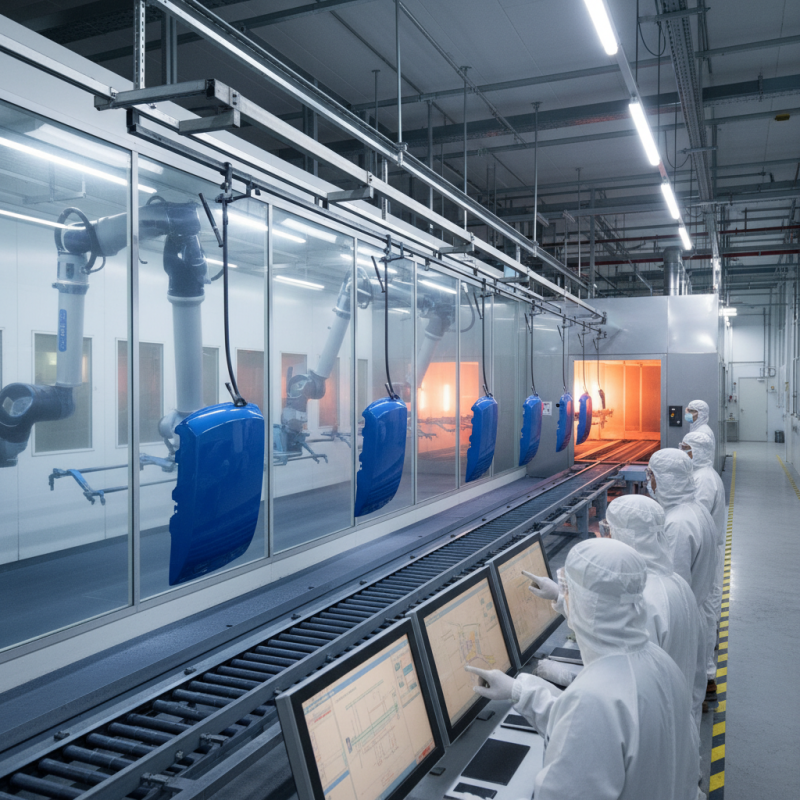
The Spray Painting Line consists of several key components. It includes spray booths, conveyors, and drying systems. Workers must monitor each stage closely. Unexpected issues can arise, such as uneven paint distribution or equipment malfunctions.
Despite advancements, challenges remain. A skilled technician is essential to operate the Spray Painting Line efficiently. Training is crucial, yet time-consuming. Companies often need to reassess their processes regularly, aiming for continuous improvement. Balancing speed and quality can be tricky. Thus, reflection on current practices is vital for success in this field.
Understanding the Basics of Spray Painting Lines
A spray painting line is a specialized system used for applying paint to a variety of surfaces. It's common in manufacturing and automotive industries. Understanding these lines begins with knowing their components. They typically include a conveyor system, spray booths, and drying areas.
The spray booth is essential. It houses the spray guns and collects overspray. Here, workers or robots apply paint evenly. The environment must be controlled to prevent dust and other contaminants. Attention to detail is crucial. Flaws in paint application can lead to costly rework. Even slight adjustments in angle or distance can alter the finish.
Maintenance of the spray painting line is vital but often overlooked. Inconsistent paint quality can arise from clogged nozzles or worn-out components. Training staff on proper use and maintenance can mitigate this. Regular inspections help identify issues before they escalate. Sometimes, even the best systems require reflection and improvement to achieve optimal results.
Components of a Spray Painting Line and Their Functions
A spray painting line is essential for many manufacturing processes. It combines various components to ensure efficiency and quality in painting. The main components include the spray booth, conveyor system, and drying area.
The spray booth provides a controlled environment. It keeps overspray contained, minimizing waste and ensuring worker safety. It's important that the booth is well-ventilated. Poor ventilation can lead to poor air quality. Monitor air filters regularly to prevent clogs.
The conveyor system automates the movement of items through the line. It reduces manual handling, which can lead to inconsistencies. Ensure that the speed of the conveyor matches the painting process. If it moves too fast, coverage may be inadequate. If too slow, production slows down.
The drying area is equally crucial. Proper drying ensures that the paint adheres well and cures effectively. This area should maintain optimal temperature and humidity levels. Any fluctuations can cause defects, like runs or bubbles.
Tips:
Regular maintenance of all components is vital for longevity. Keep a checklist for regular inspections. Also, train operators thoroughly on equipment use to avoid mistakes.
The Process Flow in a Spray Painting Line
A spray painting line is vital in manufacturing. It streamlines the painting process, ensuring efficiency and consistency. The process flow in a spray painting line often includes several key steps. First, the item is prepped, cleaning surfaces to ensure paint adherence. This process greatly affects the final finish quality.
After preparation, items move to the spray booth. Here, automated systems apply paint evenly. According to industry reports, products from automated lines have a defect rate of only about 2%. This technology minimizes human error. However, it also raises concerns about initial setup costs and maintenance challenges.
Once painted, the items undergo drying. This is crucial; improper drying leads to imperfections. The last stage often includes inspection. While automated systems assist, human oversight is essential for quality control. Striking a balance between automation and manual checks keeps production smooth. Spray painting lines highlight the importance of process flow, but they require constant reflection and improvement.
What is a Spray Painting Line and How Does It Work? - The Process Flow in a Spray Painting Line
| Step | Description | Duration (mins) | Equipment Used |
| 1 | Pre-treatment Surface Cleaning | 15 | Ultrasonic Cleaners |
| 2 | Drying of Surface | 10 | Dryer Ovens |
| 3 | Spray Application of Paint | 20 | Spray Guns |
| 4 | Curing the Paint | 30 | Curing Ovens |
| 5 | Final Inspection | 10 | Quality Control Tools |
Common Applications of Spray Painting Lines in Industries
Spray painting lines are vital in various industries. They increase efficiency and ensure uniform coating. Studies show that automated spray painting systems can improve productivity by up to 30%. This means less time to finish projects and lower labor costs.
In automotive manufacturing, spray painting lines provide consistent quality. They create an even layer of paint on car bodies. Data from the automotive sector reveals that 85% of manufacturers use automated systems to reduce paint waste. This is crucial for environmental sustainability. However, the technology is not flawless. Issues like overspray can lead to increased costs.
Furniture manufacturing also benefits from spray painting lines. The process allows for quick drying times and reduced handling. Reports estimate that 40% of furniture makers use these lines for a faster production cycle. Despite the advantages, human errors can still occur during setup. These errors may result in uneven finishes. Continuous training and process evaluation are essential to address these challenges effectively.
Maintenance and Safety Considerations for Spray Painting Lines
Maintenance and safety are crucial for spray painting lines. Regular checks help ensure everything runs smoothly. Operators should inspect equipment daily. Look for wear and tear on hoses and spray guns. Cleaning is essential. Residue can clog nozzles and affect quality. Take the time to clean thoroughly.
Safety gear is a must. Masks, goggles, and protective clothing protect against fumes and splatters. Training is key for workers. They should understand both equipment and safety protocols. Inappropriate use can lead to accidents. Everyone needs to be aware of their surroundings.
Ventilation plays a vital role. Ensure proper airflow in the painting area. Lack of ventilation increases risks. During maintenance, power down the equipment. This prevents unintended spraying. Reflect on past mistakes to improve practices. Learning from experiences can enhance safety and efficiency.
 Skip to content


 English
 Russian
  German
  Spanish
  French
  Portuguese