Essential Tips for Choosing the Best Oil Field Gloves?
When working in oil fields, safety is paramount. The right gear minimizes risks and enhances productivity. Oil Field Gloves are crucial for protecting hands from harsh conditions and heavy equipment. Choosing the best gloves can be challenging, given the vast options available.
Understanding the specific requirements for Oil Field Gloves is essential. Factors like material, grip, and durability impact performance. High-quality gloves often feature reinforced stitching and robust materials. They should also allow for dexterity, enabling workers to handle tools effectively. Making an informed choice requires more than just looking for brand names.
Seeking expert advice can guide you through the decision-making process. Reviews and testimonials from seasoned professionals provide valuable insights. These sources highlight what works and what doesn't. Not all gloves will suit every task. Workers may need to rethink their choices based on personal experience and job demands.
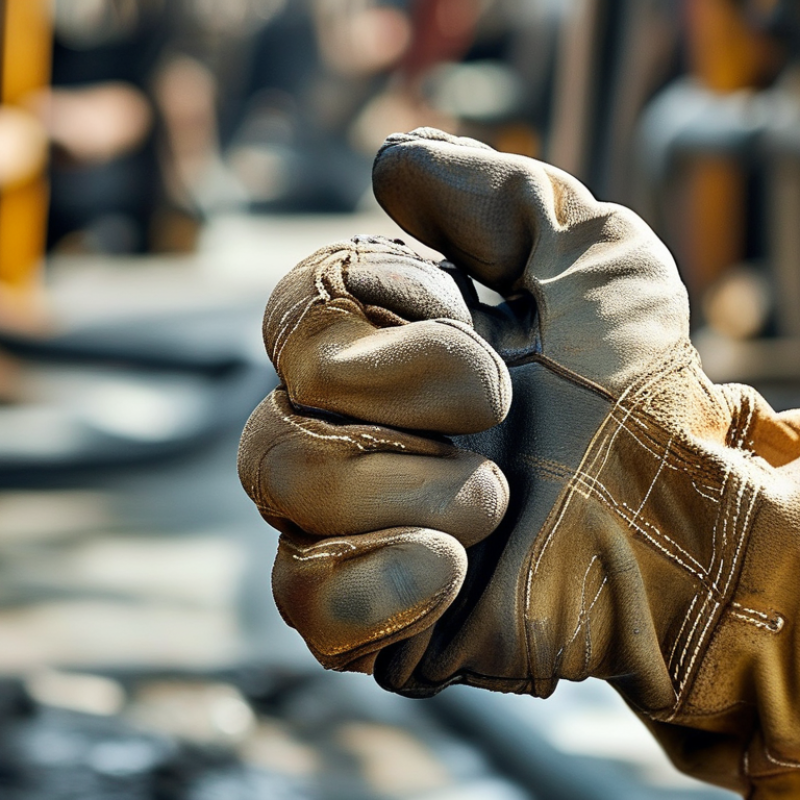
Understanding the Specific Demands of Oil Field Work Gloves
When selecting oil field gloves, understanding the specific demands of the work is key. Oil field environments are often harsh. Workers face sharp tools, chemicals, and extreme weather. Gloves must address these challenges effectively. A durable material is essential. Look for gloves made from puncture-resistant fabrics. They provide safety against sharp objects that are prevalent on job sites.
Comfort is another crucial factor. Gloves should allow for dexterity. Workers frequently need to handle equipment and perform delicate tasks. If the gloves are too bulky, it can hinder performance. Fit matters significantly. Ill-fitting gloves can cause discomfort and reduce grip. A snug fit ensures that workers can function safely and efficiently.
Consider also the grip quality. Oil and slippery surfaces are daily challenges. Gloves with textured palms can enhance control over tools and materials. Draw attention to the gloves’ resistance to chemicals and petroleum products. These features help protect workers’ hands from harmful substances. Reflecting on various options is vital. Evaluate what combination of features best suits the tasks at hand. Sometimes, finding the perfect balance can take time and trial.
Key Material Considerations for Durability and Protection
When selecting oil field gloves, material choice plays a critical role in durability and protection. According to a report from OSHA, hand injuries account for over 20% of workplace injuries in the oil and gas sector. Thus, choosing gloves made from high-quality materials is essential.
Leather, for instance, is popular due to its resilience and flexibility. It offers solid protection against abrasions and cuts. However, it may not provide adequate chemical resistance. Synthetic materials like nitrile and PVC deliver better resistance against various oils and chemicals. They can withstand harsh conditions, ensuring the gloves last longer in challenging environments.
Consider the glove's thickness as well. While thicker gloves may offer better protection, they can reduce dexterity. A balance between protection and maneuverability is crucial. Regularly assessing glove wear and tear is also important. Many workers overlook this step, but worn-out gloves can lead to severe injuries.
Choosing the right gloves requires understanding specific working conditions. Evaluate the types of chemicals handled and the nature of tasks performed. A misstep in this evaluation can lead to dangerous situations. Always opt for gloves that meet the industry's safety standards for maximum reliability. Proper material selection is essential to ensure both safety and comfort in the oil and gas field.
Essential Tips for Choosing the Best Oil Field Gloves
| Material Type | Durability Rating | Protection Level | Recommended Usage |
| Nitrile | High | Chemical Resistance | Oil Handling, Chemical Exposure |
| Leather | Medium | Cut and Puncture Resistance | Rough Handling, Heavy-duty Work |
| Synthetic Blends | Medium-High | Oil and Abrasion Resistance | General Oil Field Work |
| Cotton | Low-Medium | Light Protection | Light Cleaning Tasks |
| Kevlar | High | Cut Resistance | Heavy Equipment Handling |
Evaluating Comfort and Fit for Optimal Hand Functionality
When selecting oil field gloves, comfort and fit are paramount for optimal hand functionality. A snug but not tight fit allows for dexterity while working. Gloves should support your wrist and provide freedom of movement. This prevents fatigue during long shifts. The right fit enhances your grip, making it easier to handle tools and equipment safely.
Consider the materials used. Breathable fabrics can keep hands dry, reducing discomfort. Look for gloves with padding at key pressure points. This adds comfort during strenuous tasks. Remember that too loose a fit can lead to slippage and accidents. Regularly assess how your gloves fit during use; a good glove should feel like a second skin.
Try different styles to find what works best for you. Each individual has unique hand shapes. Experiment with various designs to see what provides the best comfort. A glove that fits poorly can lead to frustration and compromised safety. Listen to your body as you work, and adjust your glove choices as needed. Finding the right gloves is a process that requires attention and reflection.
Identifying Safety Standards and Certifications for Oil Field Gloves
When selecting oil field gloves, understanding safety standards is crucial. These standards ensure gloves provide necessary protection from hazards. Check for certifications like ASTM, ANSI, or ISO. These indicate compliance with rigorous safety tests.
Ensure the gloves are tested for cut resistance, abrasion, and puncture. Look for clear labels detailing the materials used. Knowledgeable professionals often recommend gloves made with high-grade synthetic fibers or rubber. However, don't overlook the importance of dexterity. Some gloves may offer protection but sacrifice grip or finger sensitivity.
Consider the working environment when choosing gloves. Oil fields present unique challenges like exposure to chemicals and extreme temperatures. For instance, gloves should resist oil, grease, and other hazardous substances. Regularly inspect gloves for wear and tear. Damaged gloves may provide a false sense of security. Trusting tests and specifications can significantly influence safety on-site.
Essential Tips for Choosing the Best Oil Field Gloves
This chart represents the safety standards and certifications commonly associated with oil field gloves. The data illustrates the percentage of gloves meeting specific standards such as ANSI, EN388, and ASTM.
Cost vs. Quality: Making Informed Purchasing Decisions for Gloves
When selecting oil field gloves, cost and quality require careful consideration. A low-priced glove might seem attractive, but it often sacrifices durability. Investing in quality gloves can lead to long-term savings. You'll need to assess the environment where you’ll be working and the specific hazards present. This knowledge ensures you select gloves designed to protect against those risks effectively.
Material choice is vital. Leather and synthetic options have distinct benefits. Leather gloves offer excellent abrasion resistance. Synthetic gloves can provide better grip in wet conditions. Always evaluate the performance characteristics before deciding. Remember, buying gloves without considering their intended use could lead to inadequate protection and safety issues.
Pay attention to fit and comfort. A poorly fitting glove can impede work and increase fatigue. Seek gloves that allow for dexterity yet provide a secure fit. Sometimes, you may find that the most comfortable pair isn’t the priciest. Balancing price with quality often takes trial and error. Don’t hesitate to test multiple options before settling on a final choice.
 Skip to content


 English
 Russian
  German
  Spanish
  French
  Portuguese