Essential Tips for Choosing the Right Damper Actuator?
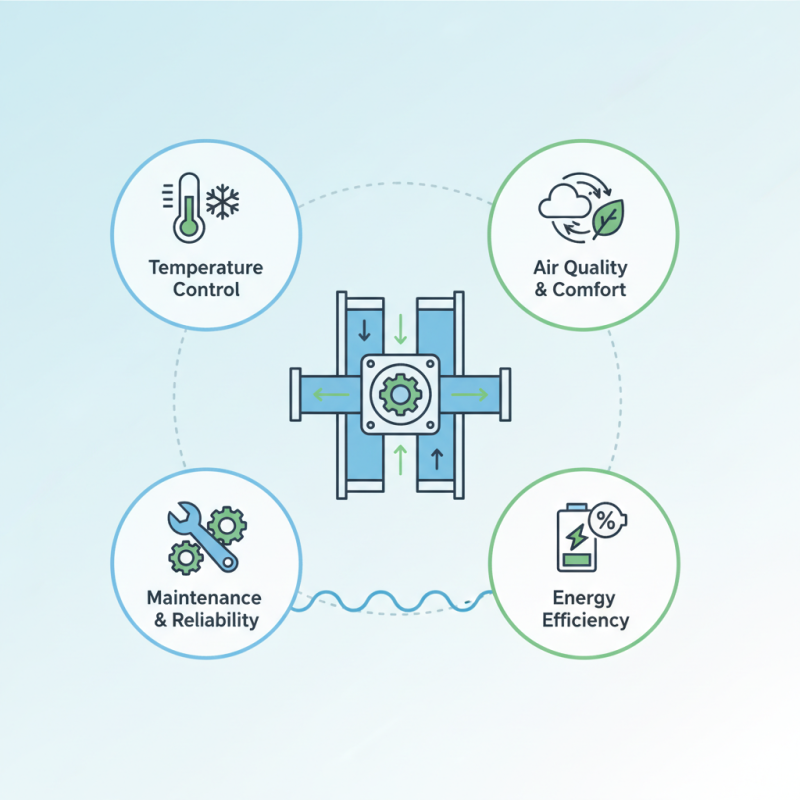
Choosing the right Damper Actuator is critical for optimal HVAC performance. According to a recent industry report by the American Society of Heating, Refrigerating and Air-Conditioning Engineers (ASHRAE), the efficiency of dampers can impact energy consumption by up to 30%. This highlights the importance of selecting high-quality actuators for efficient temperature control and air distribution.
The functionality of a damper actuator goes beyond simple opening and closing. A well-matched actuator ensures precise control of airflow, resulting in better indoor air quality and comfort. Poor selections can lead to increased wear and maintenance costs, as well as reduced system efficiency. It’s essential to consider various specifications, such as torque requirements and response time, to avoid potential pitfalls.
Moreover, understanding the operational environment is crucial. Temperature, humidity, and exposure to contaminants all affect actuator performance. A mismatched actuator may not withstand extreme conditions, leading to frequent failures. Thus, careful evaluation and selection are vital in avoiding future complications and ensuring long-term reliability.
Understanding Damper Actuators: Key Functions and Types
When it comes to damper actuators, understanding their key functions is essential. These devices control airflow in ventilation systems. They ensure that the right amount of air reaches different areas. Effective airflow is crucial for maintaining energy efficiency in buildings, too. Without precise control, systems may work harder, leading to higher energy costs.
There are various types of damper actuators. Electric actuators are commonly used due to their precise control. Pneumatic actuators, on the other hand, rely on air pressure. Each type has its own advantages and limitations. Electric versions may require more wiring, while pneumatic ones can suffer from pressure drops.
Choosing the right actuator shouldn't be overlooked. Incorrect selection can lead to performance issues. It's vital to consider factors like response time and torque. Many professionals overlook the impact of actuator size. A too-large actuator can waste space and energy. Reflecting on these details can lead you to a more efficient solution for your specific needs.
Essential Tips for Choosing the Right Damper Actuator
| Type | Key Functions | Operating Range | Typical Applications | Control Type |
| Electric Actuator | Precise position control | 0-90 degrees, 0-180 degrees | HVAC systems, industrial dampers | On/Off, Modulating |
| Pneumatic Actuator | Fast response, high force output | 0-90 degrees | Air handling units, clean rooms | On/Off, Modulating |
| Hydraulic Actuator | High force for large dampers | 0-90 degrees, rotary motion | Heavy machinery, large industrial dampers | On/Off, Proportional |
| Spring Return Actuator | Failsafe operation, automatic return | 0-90 degrees | Fire and smoke dampers | On/Off |
| Linear Actuator | Linear movement control | Stroke lengths varying | Variable air volume systems | On/Off, Modulating |
Factors to Consider When Choosing a Damper Actuator
Choosing the right damper actuator is crucial for optimal performance in HVAC systems. One of the key factors to consider is the actuator type. There are electric, pneumatic, and hydraulic options, each with its own advantages. Electric actuators are popular for their ease of use and control. Pneumatic options may provide faster responses, while hydraulic actuators can handle larger loads. Evaluating the technical specifications of these options can be challenging and often requires expert advice.
Another important aspect is the torque requirement. Assess the size and weight of the dampers. If you choose an actuator with insufficient torque, it may fail to operate properly. On the other hand, selecting one with excessive torque can lead to unnecessary energy consumption. Environmental conditions also play a role. For instance, dampers in extreme temperatures or humid conditions need specially rated actuators. It's easy to overlook these factors, which can lead to ongoing issues and maintenance headaches.
Essential Tips for Choosing the Right Damper Actuator
Evaluating the Sizing and Specifications of Damper Actuators
Choosing the right damper actuator is crucial for optimal system performance. Evaluating the sizing and specifications is a key factor in ensuring that your actuator meets the system demands. Industry data suggests that improper sizing can lead to a 20% reduction in efficiency. It is essential to assess the torque requirements of your application accurately.
Tips: Always refer to manufacturer guidelines for torque ratings. Understand the environment where the actuator will operate. Consider factors like temperature, humidity, and exposure to chemicals. These elements can impact actuator performance significantly.
Also, pay attention to the actuator's response time. Data indicates that a delay of just one second can lead to poor air distribution, affecting overall comfort and energy consumption. Aligning the actuator's specifications with system demands will help mitigate issues.
Remember, failing to evaluate sizing and specifications means risking system reliability. It is an area where many overlook the details. Do not let assumptions guide your choices; empirical data should lead the way.
Comparing Control Methods for Damper Actuators
When selecting a damper actuator, understanding control methods is crucial. Control methods vary significantly, affecting performance and efficiency. The three main types are on/off control, proportional control, and modulating control. Each method has its own strengths and weaknesses.
On/off control is simple and cost-effective. However, it can result in system wear due to frequent cycling. Proportional control offers smoother operation, but its complexity may require additional tuning. In some cases, it can be less responsive. Modulating control provides the best fine-tuning but can be overkill for simple applications.
Choosing the right method depends on specific needs. Consider factors like installation complexity and maintenance. Some may overlook these aspects, leading to dissatisfaction later. It's vital to assess your requirements carefully before making a decision. Balancing simplicity with performance can help avoid future issues.
Maintenance and Troubleshooting Tips for Damper Actuators
When operating damper actuators, regular maintenance is crucial. Research indicates that about 30% of actuator failures arise from inadequate upkeep. Simple tasks, like regular cleaning and lubrication, can extend the lifespan significantly. Dust and debris can impair functionality. The actuator should be inspected monthly, especially in harsh environments.
Troubleshooting is another essential aspect. Common issues include unresponsive actuators or irregular movements. Checking the power supply is vital. About 20% of actuator problems stem from electrical failures. Another frequent issue is misalignment. Ensure that the actuator aligns correctly with the damper. Misalignment can reduce efficiency and lead to further complications.
Finally, analyzing performance data helps in forecasting potential problems. Many facilities fail to track operational metrics, which is a mistake. Keeping a log of performance can spotlight trends. If an actuator often fails, it may indicate a need for replacement or redesign. Investing time in maintenance and proactive analysis can prevent unexpected downtime.
 Skip to content


 English
 Russian
  German
  Spanish
  French
  Portuguese