Top 10 Tips for Choosing the Right Carbide Drill?
When it comes to selecting the right Carbide Drill, expert James Carter emphasizes the importance of understanding your project's specific needs. He once stated, “Choosing the wrong Carbide Drill can lead to costly mistakes and project delays.” This statement highlights how critical it is to make informed decisions in this field.
Carbide Drills are designed for precision and durability, yet the variety can be overwhelming. Factors such as material type, drilling speed, and depth affect your choice. A well-chosen drill can enhance productivity and reduce wear and tear on your tools.
It's essential to reflect on your requirements before making a choice. Are you prioritizing speed or precision? Are your materials hardwood or composites? Each situation demands a different approach, and the right Carbide Drill can make all the difference in achieving optimal results.
Understanding Carbide Drill Types and Their Applications
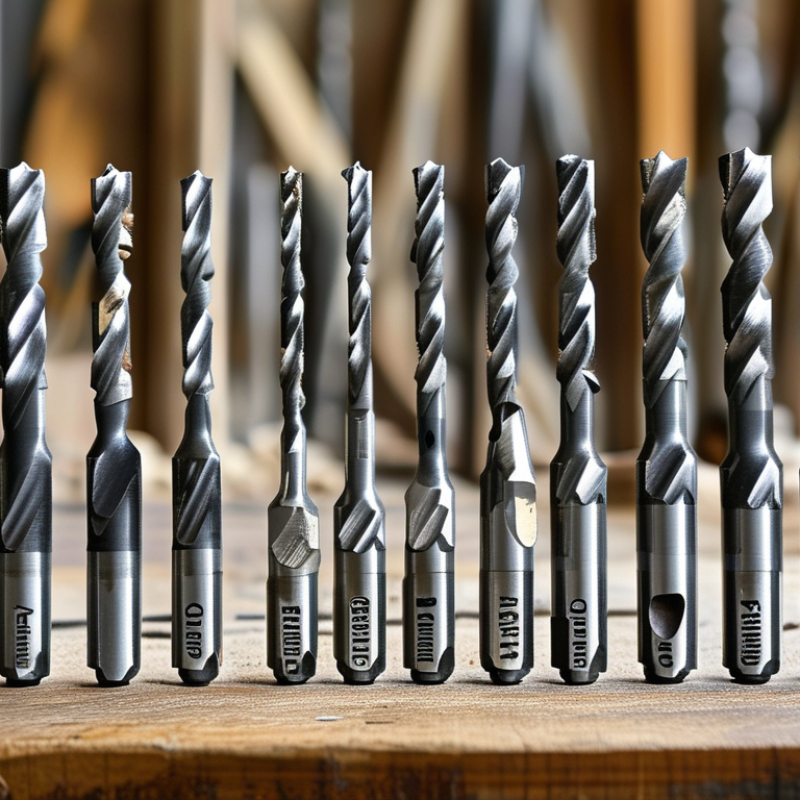
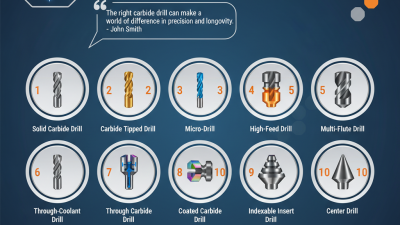
When selecting the right carbide drill, it’s essential to understand the types available and their specific uses. Carbide drills are commonly used for metalworking, woodworking, and masonry. Each type varies in design, coating, and intended application. For instance, twist drills are versatile, while spade drills excel in larger diameter holes. Knowing the material you’ll drill into can guide your choice as well.
Consider the nature of the task at hand. If you’re drilling hardened steel, a drill with a specialized coating can enhance performance. For softer materials like wood, a standard carbide drill might suffice. Examine the tip geometry as well; a point that meets your project needs can improve accuracy.
Adjusting your approach is vital. Not every carbide drill performs well in all situations. Sometimes, you may find that a different style works better than expected. Testing various options can reveal surprising results. The right drill can lead to cleaner holes and save time on repairs. Keep experimenting and learning from each project, as that experience will refine your skills.
Evaluating the Material Compatibility for Optimal Drilling Performance
Selecting the right carbide drill requires careful evaluation of material compatibility. This step is crucial for optimal drilling performance. Carbide drills excel in precision and durability, but they perform differently on various materials. Understanding these differences can enhance your efficiency.
When drilling into tough metals, choose a drill designed for hard materials. However, using a drill intended for softer materials will compromise performance. Be mindful that drilling speeds and feed rates also vary with material types. A mismatch can lead to premature wear or drill failure.
It's important to assess the specific characteristics of the materials you will encounter. Nibbling into stainless steel requires different expectations than drilling through wood. Resistance to heat and strain matters. Evaluate past experiences, as using the wrong drill can deepen frustrations. Reflecting on these occurrences helps inform better choices in the future.
Determining the Right Size and Diameter for Your Drilling Needs
When choosing the right carbide drill, understanding size and diameter is crucial. Different materials require specific drill sizes for effective performance. For instance, drilling through metal often needs a narrower diameter to ensure precision and control. If the drill is too wide, it may generate excess heat and lead to wear.
Evaluate your project's requirements. Consider the thickness of the material being drilled. Thicker materials generally need larger diameters. However, using a larger size might result in more stress on the drill. This increased stress can affect the drill's lifespan. Assessing the balance between diameter and drilling speed is essential.
Additionally, consider the type of hole you want. Is it a pilot hole or a deeper one? Knowing this helps in selecting the right size. Sometimes, opting for a slightly smaller size is beneficial for better accuracy. Many users tend to underestimate the impact of diameter on the overall drilling process, leading to frustration. A thoughtful approach will yield better results.
Assessing the Coating Options for Enhanced Durability and Efficiency
Coating options for carbide drills significantly impact their performance and lifespan. Different coatings serve distinct purposes. For instance, titanium nitride (TiN) enhances hardness but may not perform well at high temperatures. Consider your drilling needs. Will you work with stainless steel or aluminum? Each material requires different coating solutions.
Another option is titanium carbonitride (TiCN). This coating offers better wear resistance and improved chip flow. Ideal for high-speed applications, it provides cleaner holes with minimal burrs. However, cost can be a concern. Weigh the benefits against your budget constraints. A more expensive drill may ultimately save costs through increased durability.
Keep in mind that over time, coatings wear off. Regular checks can help spot wear before it affects your work. The challenge lies in finding a balance between durability and efficiency. An ideal coating should match the specific materials you often encounter. Understand your drilling environment. Doing so helps avoid unnecessary frustration and downtime.
Considering Brand Reputation and Customer Reviews in Your Selection
When selecting a carbide drill, brand reputation matters significantly. A well-established brand often reflects both quality and reliability. Customers typically share their experiences online, helping others make informed choices. Look for brands with a history of producing durable tools. Reviews provide insights into performance and longevity. Pay attention to the feedback regarding ease of use and effectiveness.
Reading multiple customer reviews can reveal common issues and strengths. Many users highlight their satisfaction with specific features or design choices. However, some reviews might express frustration with consistency. This inconsistency is worth reflecting on, as it could impact your projects. Examine both positive and negative feedback to form a balanced view.
Choosing the right drill is more than just picking a popular brand. Knowing how other users evaluate a product can guide your decision. Trusted platforms often aggregate reviews for easier comparison. Take the time to sift through these resources. Your choice should be informed not only by marketing but also by real-life experiences.
Top 10 Tips for Choosing the Right Carbide Drill
 Skip to content





 English
 Russian
  German
  Spanish
  French
  Portuguese