SUNDI TOOLS
- Copyright © Wuxi Sundi Precision Tools Co.,LTD All rights reserved.
- Site Map
Heart Rate Variability (HRV) describes the small changes in timing between one heartbeat and the next. Dr. Fred Shaffer, a researcher in psychophysiology, and coauthor J. P. Ginsberg define it as “a physiological phenomenon of variation in the time interval between heartbeats.” It is not a score of fitness by itself. Sleep, stress, illness, alcohol, training load, and even measurement conditions can influence the number.
Small shifts matter. But one low reading does not tell the whole story. A wearable may offer useful patterns, yet its readings can vary with device, posture, and timing. Compare measurements taken under similar conditions, and pay more attention to longer-term trends than a single morning’s result. Context matters.
This guide explores seven practical ways to support healthy HRV, including consistent sleep, manageable exercise, recovery, and stress-reduction habits. These steps can support overall wellbeing, but they are not guaranteed to raise everyone’s readings. Improvement is not always a straight line. A demanding week, a poor night’s sleep, or a developing illness may change the trend, even when routines remain steady.
The aim is not to chase a perfect number. It is to notice what your body may be responding to and make sensible adjustments. If HRV readings cause concern, or symptoms such as chest pain, fainting, or unusual shortness of breath occur, seek medical advice rather than relying on a wearable alone. A little uncertainty belongs here. HRV is informative, but it is only one part of the picture.
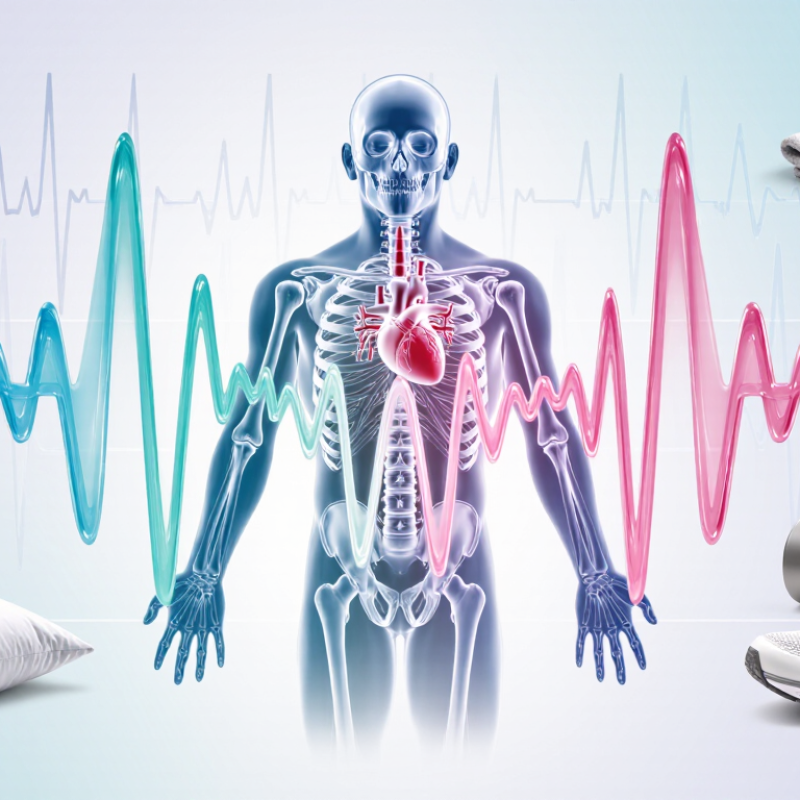
Heart rate variability (HRV) describes the changing time intervals between consecutive heartbeats, usually measured in milliseconds. It is different from heart rate, which counts beats per minute. A pulse of 60 beats per minute does not mean every beat arrives exactly one second apart. Tiny differences matter. HRV reflects signals from the autonomic nervous system, which helps regulate functions such as breathing, circulation, and the body’s response to demands. It is an indirect measure, not a direct reading of stress or fitness.
Sleep, illness, alcohol, hard training, and even a restless night can affect a reading. Breathing matters, too: intervals often shift naturally as you inhale and exhale. A low value on one morning does not explain why it happened. Context matters. Comparing readings over time, under similar conditions, is usually more useful than reacting to a single number. For example, a week of shorter sleep alongside a changing personal trend may be worth noticing, though it cannot prove the cause.
Measurement methods also differ. A chest sensor may capture beat timing differently from a wrist device, which can be affected by movement or a loose fit. Some systems report different HRV calculations, so their numbers may not be directly comparable. I’d be cautious about treating any single score as a verdict; the signal is useful, but not perfectly clear. HRV cannot diagnose a medical condition, and persistent symptoms deserve advice from a qualified health professional.
Heart rate variability (HRV) describes changes in time between heartbeats. It can shift with sleep, stress, illness, exercise, and age. Genetics also play a role, so one person’s typical reading may differ greatly from another’s. A rough night or a hard workout can lower a reading temporarily. That does not automatically signal a health problem.
Measurement conditions matter. Readings can vary with posture, time of day, and the device or method used. Compare trends taken under similar conditions rather than judging one number. Alcohol, dehydration, and late meals may affect some people, though responses differ. One easy mistake is treating HRV as a score to chase. It is only one piece of information, not a diagnosis.
Tips: Keep a regular sleep schedule, and take readings at a consistent time. Build exercise gradually, with easier days after demanding sessions. Try slow breathing for a few minutes when tension rises. Notice how your own readings respond; they may not follow a neat pattern. If unusual readings persist alongside concerning symptoms, seek advice from a qualified health professional.

Heart rate variability (HRV) describes changes in the time between heartbeats. It naturally shifts with sleep, stress, illness, and training, so one low reading is not a diagnosis. Look at trends measured under similar conditions. Small changes count.
Keep a steady sleep and wake time, even on weekends. Try five minutes of gentle, slow breathing, letting the exhale last a little longer than the inhale. Move regularly with walks, cycling, or other activity you can recover from; hard workouts every day may backfire. Drink water through the day, especially after sweating. A glass beside your desk can make that easier.
Alcohol close to bedtime can disrupt sleep, so notice whether skipping it improves your readings. Keep caffeine earlier if it makes you restless at night. Add brief pauses during demanding days: step outside, loosen your shoulders, and take a few unhurried breaths. A routine can look tidy on paper and still fall apart on a busy Tuesday; restart with one manageable habit rather than trying to perfect everything. Wearable estimates have limits, and persistent symptoms such as fainting or unusual shortness of breath deserve medical advice.
Seven Practical Ways to Support Higher HRV
| # | Practical tip | What to try | How it may support HRV | Useful measure |
|---|---|---|---|---|
| 1 | Keep a consistent sleep schedule | Allow enough time for sleep, and aim to go to bed and wake up at roughly the same times each day. Keep the bedroom dark, quiet, and comfortable. | Regular, adequate sleep supports normal autonomic recovery. Short or disrupted sleep can be associated with lower HRV in some people. | Track sleep duration and compare HRV trends across several weeks rather than judging one night. |
| 2 | Build regular aerobic activity | Choose activities such as brisk walking, cycling, or swimming. Increase duration and intensity gradually, with a mix of comfortable and more challenging sessions suited to your fitness level. | Regular aerobic exercise can support cardiovascular fitness and autonomic function over time. Individual HRV responses vary. | Record weekly activity and recovery trends. Follow medical advice before starting vigorous exercise if you have health concerns. |
| 3 | Balance training with recovery | Schedule easier days or rest after demanding workouts. Reduce training load when persistent fatigue, poor sleep, or declining performance appears. | Recovery helps prevent excessive accumulated training stress, which may temporarily suppress HRV. | Consider HRV alongside soreness, mood, sleep, and performance—not as a standalone readiness score. |
| 4 | Try gentle paced breathing | For a few minutes, breathe slowly and comfortably, with a relaxed, unforced inhale and exhale. Stop if you feel dizzy or uncomfortable. | Slow breathing can increase HRV readings during the breathing session for many people. This short-term effect does not necessarily mean resting HRV has permanently changed. | Use a comfortable pace; there is no single breathing rate that is best for everyone. |
| 5 | Make time to unwind | Use a relaxing activity you can sustain, such as mindfulness, quiet stretching, time outdoors, or a short break from work. | Managing ongoing stress may support healthier sleep and recovery, which can influence HRV. Effects differ between individuals. | Choose a simple routine and notice whether it improves perceived stress, sleep, or recovery over time. |
| 6 | Limit alcohol, especially near bedtime | Consider reducing how often or how much you drink, and avoid alcohol close to sleep if you notice it affects your rest. | Alcohol can disrupt sleep and is associated with lower overnight HRV in many people, though the response depends on the person and amount consumed. | Compare sleep and HRV on alcohol-free nights with your usual pattern, using consistent measurement conditions. |
| 7 | Respect illness and unusual fatigue | When you are unwell or unusually run down, prioritize rest and hydration according to thirst and your clinician’s advice. Return to exercise gradually as you recover. | Illness and other temporary stressors can change HRV. Allowing time to recover may be more helpful than trying to force a higher reading. | Pay attention to symptoms as well as HRV. Seek medical care for concerning or persistent symptoms. |
Important: HRV varies widely between people and can change from day to day. There is no universal “good” number. For more meaningful comparisons, use the same device and measurement routine, and focus on your personal trend over time. HRV is not a diagnosis or a substitute for medical advice.
Build HRV-supportive habits around routines you can repeat, not a single reading on a watch. Heart rate variability changes with sleep, stress, illness, exercise, and measurement conditions. One low score does not explain the whole picture. Look for patterns across several weeks, and note how you feel alongside the numbers.
A steady sleep schedule can help: keep wake-up time fairly consistent, dim the lights before bed, and leave your phone away from the pillow. Even five quiet minutes of slow, comfortable breathing may ease the transition from a busy day. Don’t force deep breaths; stop if you feel dizzy. Small changes count. Gentle movement, such as a lunchtime walk or an easy bike ride, supports general cardiovascular health without turning every workout into a test. After harder exercise, allow time to recover and eat and drink regularly. A short walk after dinner may be more realistic than an ambitious routine that lasts three days.
Stress habits need to fit real life. A crowded commute may not become peaceful, but relaxing your shoulders at a red light or taking a brief screen break can create a pause. Some days, the plan will slip. That is useful information, not failure: adjust the habit until it feels sustainable. HRV is one piece of health data, not a diagnosis; persistent symptoms deserve a conversation with a qualified healthcare professional.
Heart rate variability (HRV) describes changes in the time between heartbeats. It is not the same as heart rate, and one reading rarely tells the whole story. The 1996 European Society of Cardiology and North American Society of Pacing and Electrophysiology Task Force standards describe five-minute recordings for short-term HRV analysis and 24-hour recordings for long-term analysis. These controlled methods differ from everyday wearable estimates, which can shift with movement, fit, and sensor quality.
Tip: Track under similar conditions. Take a reading at roughly the same time each morning, while still and relaxed. Use the same device, and note relevant context such as poor sleep, a hard workout, illness, or alcohol. A quick note beside the number can explain an otherwise puzzling dip. Consistency matters more than collecting readings all day.
Tip: Look for a personal trend, not a score to beat. Compare weekly patterns over several weeks, and check whether changes line up with how you feel and recover. One number isn't destiny. A lower reading after a restless night may be temporary; persistent changes alongside symptoms deserve discussion with a healthcare professional. HRV is not a diagnosis, and consumer measurements should not replace medical advice.
How to Track HRV and Interpret Changes
Example: Daily HRV measured as RMSSD (milliseconds) over 14 days. These illustrative values show normal day-to-day variation, not a target or medical reference range. Track readings under similar conditions and focus on your longer-term pattern; a single reading can be affected by sleep, stress, illness, exercise, and measurement timing.