Top 10 Evaporative Chillers to Explore at 139th Canton Fair?
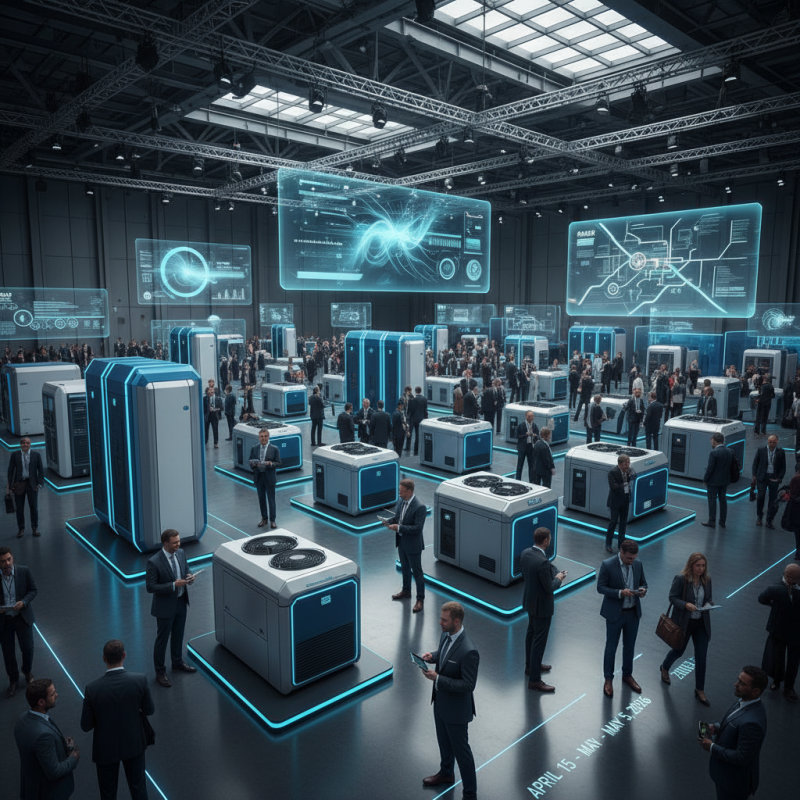
Explore the world of Evaporative Chillers at the upcoming 139th Canton Fair. This significant event will run from April 15 to May 5, 2026. It offers a fascinating glimpse into cutting-edge technology in cooling solutions. With a focus on advanced manufacturing, buyers will find a diverse range of products and innovations.
Evaporative Chillers are becoming increasingly important in energy-efficient cooling. They leverage natural processes, providing environmentally friendly solutions for industrial and commercial use. At the fair, discover models equipped with AI features. These enhancements allow for optimal performance and user-friendly interfaces.
However, navigating such a vast exhibition can be challenging. While the AI intelligent search and smart navigation system aims to improve efficiency, it is not flawless. Attendees may still encounter difficulties in locating specific products. Despite these challenges, the potential of Evaporative Chillers remains clear. They promise a sustainable future, but buyers should carefully evaluate their choices.
Top Trends in Evaporative Chiller Technology for 2023
Evaporative chillers are evolving. They are becoming more efficient and environmentally friendly. The latest technology focuses on innovative materials and designs. This year, new chillers feature advanced insulation to reduce energy loss. Improved fan designs enhance airflow and cooling performance. Many units now integrate IoT technology. This allows for real-time monitoring and control.
Sustainability is a significant trend in 2023. Manufacturers emphasize the use of natural refrigerants. These options are less harmful to the environment. Another critical aspect is smart controls. They optimize energy use based on demand. This ensures that chillers operate efficiently, even in varying conditions. Users can adjust settings remotely.
Despite these advancements, some challenges remain. The initial cost can be high for new technology. Proper maintenance is still essential for efficiency. Users often overlook this aspect. Evaluating long-term savings is necessary. Balancing costs and energy efficiency is crucial for businesses. These factors will shape future trends in evaporative chillers.
Key Benefits of Using Evaporative Chillers in Industrial Applications
Evaporative chillers are becoming crucial in various industries. They utilize a different cooling method compared to conventional systems. According to industry reports, they can reduce energy consumption by up to 75%. This efficiency allows companies to lower running costs significantly. In many sectors, energy expenses comprise a large portion of operational costs. Therefore, implementing evaporative chillers can lead to substantial savings over time.
These chillers also contribute to environmental sustainability. They use water to cool the air, minimizing reliance on refrigerants. Studies indicate that evaporative cooling systems can reduce greenhouse gas emissions considerably. One report suggests a decrease of up to 30% in emissions compared to traditional air conditioning methods. Moreover, they operate more effectively in dry climates, making them suitable for regions with limited humidity.
However, relying solely on evaporative chillers has some limitations. Maintenance can be demanding, especially in areas with hard water. The initial investment might appear steep for some businesses. Yet, the long-term rewards can balance the upfront costs. Many companies are still hesitant, pondering the transition's feasibility. Analyzing costs and benefits is essential for making informed decisions.
Energy Efficiency Ratings and Standards for Evaporative Chillers
When attending the 139th Canton Fair, exploring evaporative chillers can be rewarding. These systems play a vital role in energy efficiency. Understanding energy efficiency ratings helps buyers make informed choices. The ratings typically range from A to G, with A being the most efficient. Higher efficiency means less energy consumption, which results in lower operational costs.
Tips for evaluating energy efficiency include reviewing the chiller's water consumption rates. Look for units that balance cooling capacity and water usage effectively. Remember, not every high-rated model suits every application. Consider your specific needs and space constraints.
Some evaporative chillers might have excellent ratings but lack durability. Research user reviews to uncover these hidden issues. Real-world performance sometimes differs from advertised claims. Focus on reliability in addition to efficiency. This approach can prevent future headaches and unexpected expenses. Always weigh the pros and cons before making a decision.
Top 10 Evaporative Chillers at 139th Canton Fair
| Model | Cooling Capacity (kW) | Energy Efficiency Ratio (EER) | Dimensions (mm) | Weight (kg) | Noise Level (dB) |
| Model A | 150 | 3.5 | 1200 x 800 x 1500 | 200 | 65 |
| Model B | 200 | 3.8 | 1300 x 850 x 1600 | 250 | 68 |
| Model C | 250 | 4.0 | 1400 x 900 x 1700 | 300 | 70 |
| Model D | 300 | 4.2 | 1500 x 950 x 1800 | 350 | 72 |
| Model E | 350 | 4.5 | 1600 x 1000 x 1900 | 400 | 74 |
| Model F | 400 | 4.7 | 1700 x 1100 x 2000 | 450 | 76 |
| Model G | 450 | 4.9 | 1800 x 1200 x 2100 | 500 | 78 |
| Model H | 500 | 5.1 | 1900 x 1300 x 2200 | 550 | 80 |
| Model I | 550 | 5.3 | 2000 x 1400 x 2300 | 600 | 82 |
| Model J | 600 | 5.5 | 2100 x 1500 x 2400 | 650 | 85 |
Comparison of Leading Evaporative Chiller Brands at the Canton Fair
The evaporative chiller market has seen significant growth, driven by rising energy costs and the need for efficient cooling solutions. According to recent industry reports, the global evaporative cooling market is expected to reach $14 billion by 2027, growing at a CAGR of 6.8%. This growth highlights the importance of understanding the various brands available.
At the 139th Canton Fair, multiple vendors showcase innovative designs and technologies. You may encounter units with advanced water-saving features, achieving over 90% efficiency, or models with improved corrosion resistance. However, not all products deliver the advertised results. It's essential to scrutinize technical specifications and user reviews.
Tips for evaluating evaporative chillers include checking energy efficiency ratings and maintenance requirements. Some models may promise low operational costs but could involve high upkeep. Consider selecting units with easy access to components for repairs. Reliable cooling performance is essential but remember to assess the long-term implications of your choice. It's also worth comparing how different brands address sustainability and their impact on the environment.
Case Studies: Successful Implementations of Evaporative Chillers
In recent years, evaporative chillers have gained popularity across various industries. A report by Global Market Insights noted a significant increase in their adoption, attributing this to their energy efficiency. These chillers offer an eco-friendly cooling solution, making them ideal for large facilities and warm climates. Case studies highlight successful implementations. For example, a food processing plant reduced its energy consumption by over 30% after switching to an evaporative chiller system.
Tips: Regular maintenance is critical. It ensures optimal performance of the chilling system. Dust or debris can significantly impair its efficiency.
One company in the textile industry reported saving thousands annually on energy costs by utilizing evaporative chillers. However, initial installation costs can seem daunting. Yet, the long-term savings often outweigh these concerns. An HVAC report suggests that the total cost of ownership can drop significantly after just a few years of operation.
Tips: Consider local climate conditions. Evaporative chillers perform best in dry environments. This factor directly influences their efficiency and overall effectiveness. Balancing cost and efficiency in installations is essential for maximum ROI.
Top 10 Evaporative Chillers Performance Comparison
 Skip to content

 English
 Russian
  German
  Spanish
  French
  Portuguese