Top Carbide Insert Options for Global Buyers to Consider?
In the world of manufacturing, the choice of tools can significantly affect productivity and cost-efficiency. Carbide inserts have become a popular choice among global buyers. These cutting tools are known for their durability and effectiveness in various applications. A well-chosen carbide insert can enhance operational performance and extend the lifespan of machinery.
When exploring carbide insert options, it’s essential to consider factors like material composition and coating technology. Some inserts are designed for high-temperature applications. Others excel in challenging materials. The right selection can lead to improved cutting speeds and reduced wear. However, the market is vast, and not every product will meet specific needs. Buyers often face the dilemma of balancing cost and quality.
This guide delves into top carbide insert options for potential buyers. It aims to provide insights into features and performance metrics. Understanding these elements will lead to better purchasing decisions. Keep in mind, what works well for one application may not be suitable for another. Evaluating the unique requirements of each task is crucial in making the right choice.
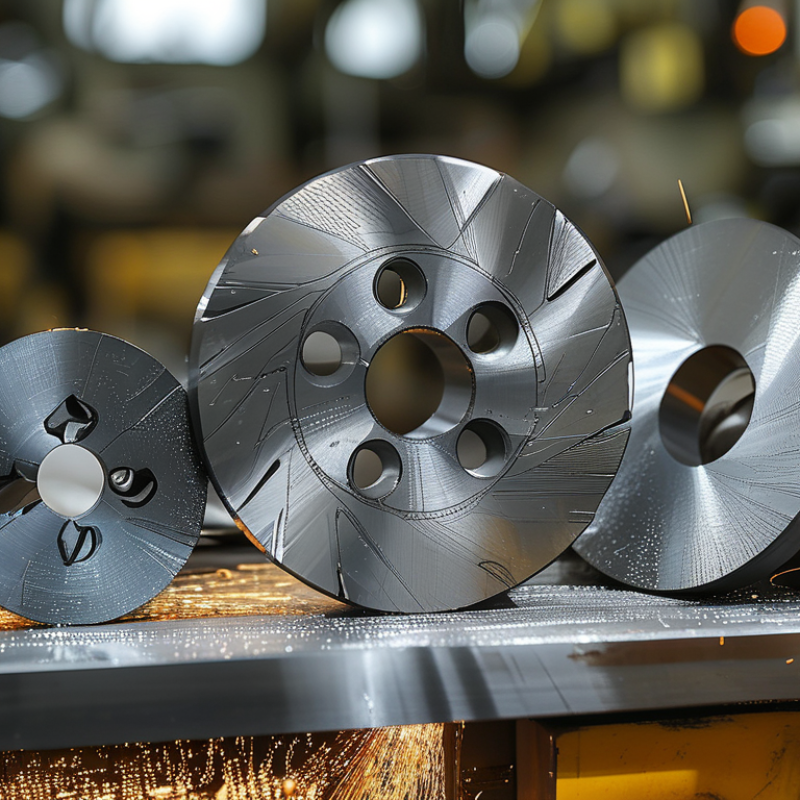
Understanding Carbide Inserts: Types and Applications
Carbide inserts are essential tools in the machining industry, renowned for their durability and versatility. Understanding their types and applications can significantly impact manufacturing efficiency. Common insert types include turning, milling, and drilling, each designed for specific tasks. According to industry reports, the global carbide insert market is expected to grow by 5.2% annually, driven by advancements in cutting technology.
Selecting the right carbide insert requires considering material and application. For instance, inserts made of coated carbide are preferred for machining stainless steel due to their heat resistance. Similarly, uncoated carbide inserts work well for softer metals. Over time, tool wear can impact performance. Regular assessments are crucial for maintaining optimal productivity.
**Tip:** Always match the insert to the material type to reduce wear. For instance, use a harder insert for tougher materials.
Machining conditions also play a role. Factors such as cutting speed and feed rate affect insert longevity. A study highlights that correct parameters can increase tool life by up to 30%. Keep track of these metrics to avoid unexpected downtimes.
**Tip:** Invest in monitoring tools to assess wear and tear in real-time. This proactive approach can enhance operational reliability.
Top Carbide Insert Options for Global Buyers to Consider
| Insert Type |
Application |
Material |
Coating |
Typical Use Case |
| Single-point Inserts |
Turning Operations |
Carbide |
TiN |
Steel Machining |
| Multi-point Inserts |
Milling Operations |
Ceramic |
Al2O3 |
Aluminum and Non-ferrous metals |
| Tipped Inserts |
Boring Operations |
Cermet |
TiCN |
Precision Boring |
| Chip Breaker Inserts |
Turning Operations |
Carbide |
TiN |
Difficult-to-machine Materials |
| Grooving Inserts |
Grooving and Parting |
High-speed Steel |
TiN |
Internal Grooving |
Key Factors to Consider When Choosing Carbide Inserts
Choosing the right carbide inserts involves several key factors. One important consideration is the material type. Different applications require specific materials to ensure performance and durability. For example, harder materials can withstand high speeds, while toughness is essential for interrupted cuts.
Another factor is the insert geometry. The shape of the insert affects chip formation, clearance, and overall cutting efficiency. Ultimately, selecting the right geometry can lead to improved surface finishes and reduced cycle times.
**Tips:** Always assess your machining environment. Check if vibration or heat will impact insert life. Regularly review your production needs. Examine whether your current insert performance aligns with the requirements of your projects.
Lastly, consider the coating on your carbide inserts. Coatings can enhance wear resistance and reduce friction. However, selecting the wrong coating may lead to unexpected failures and shortened tool life. Reflection on these details is crucial for optimal results.
Top Manufacturers of Carbide Inserts in the Global Market
The global market for carbide inserts is growing rapidly, driven by a rising demand in precision machining. According to a recent report by Market Research Future, the carbide inserts market is projected to reach USD 3 billion by 2025. This growth reflects the increasing adoption of advanced manufacturing techniques across industries, such as aerospace, automotive, and metalworking.
Leading manufacturers are focusing on innovation in material composition and coatings. This innovation allows for enhanced durability and cutting performance. Many companies are investing resources into research and development. Data suggests that around 25% of industry players are reallocating budgets to improve product designs and performance traits. However, price fluctuations in raw materials can pose challenges for manufacturers.
Consumer preferences are evolving towards more efficient and longer-lasting products. Buyers seek options that combine performance with cost-effectiveness. The industry faces pressure to provide sustainable solutions while maintaining quality. Thus, manufacturers must adapt or risk losing market relevance. Using low-quality materials can lead to product inefficiencies and increased costs in the long run. In an era of rapid technological change, the need for constant adaptation is evident.
Top Carbide Insert Types by Market Share
Comparative Analysis of Carbide Insert Grades and Coatings
Carbide inserts are essential in machining. Their performance greatly depends on both the grade of the carbide and the type of coating applied. A comparative analysis of these factors reveals significant variations. Data from industry reports indicates that inserts with titanium nitride (TiN) coatings can increase tool life by nearly 50%. This makes them attractive for high-speed machining operations.
Different grades of carbide are crafted for specific applications. For instance, grades with high cobalt content offer improved toughness. Reports suggest that these grades are ideal for interrupted cuts. In contrast, inserts designed for continuous cutting may benefit from lower cobalt, enhancing hardness and wear resistance. However, the choice of grade can be confusing for many buyers.
Understanding the interplay between grade and coating is crucial. Each combination offers distinct advantages. Yet, overly complex specifications often lead to selection errors. Some users may overlook the importance of testing under their own conditions. Small variations in machining environments can drastically alter insert performance. Thus, a thoughtful approach is needed for optimal selection and utilization.
Future Trends in Carbide Insert Technology and Usage
Carbide insert technology continues to evolve. Innovations focus on enhancing durability and performance. New coatings provide better resistance to wear and heat. This leads to longer tool life. A shift towards sustainability is also noticeable. Manufacturers are exploring eco-friendly materials for inserts. These changes reflect a growing awareness of environmental impact in production.
The future may bring increased customization options. Buyers could benefit from tailor-made solutions that suit their specific needs. Advanced machining techniques will allow for more complex geometries. This adaptability may improve efficiency and precision in industrial processes. However, with rapid advancements, it’s crucial for buyers to stay informed. The risk of investing in outdated technology is high.
Maintaining a balance between cost and innovation is challenging. There may be pressure to adopt new technologies quickly. However, it's essential to evaluate their actual benefits. Not every advancement will be suitable for every application. Buyers must assess their operations before making decisions. A thoughtful approach can prevent costly mistakes in the long run.
 Skip to content





 English
 Russian
  German
  Spanish
  French
  Portuguese