Top 10 Facts About Lithium Batteries You Need to Know?
Lithium Batteries have revolutionized our world. They power everything from smartphones to electric vehicles. Understanding their key facts is essential for any tech-savvy person.
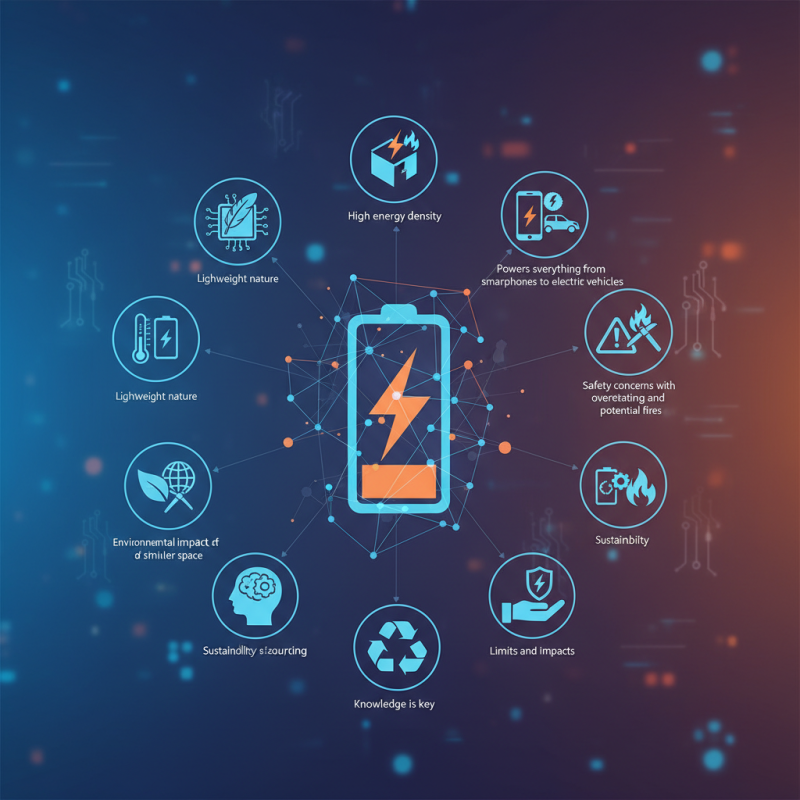
These batteries are known for their lightweight nature and high energy density. This means they can store more energy in a smaller space. However, they also come with challenges. For instance, safety concerns exist with overheating and potential fires.
Moreover, the mining process for lithium can impact the environment. It leads to discussions about sustainability and ethical sourcing. As we embrace these powerful batteries, it’s crucial to reflect on their limits and impacts. Knowledge is key in navigating the world of Lithium Batteries responsibly.
Key Characteristics of Lithium Batteries
Lithium batteries have become essential in our daily lives. Their lightweight design and high energy density make them popular for portable electronics. These batteries can store more energy than traditional batteries, often providing double the capacity. They typically have a nominal voltage of 3.7 volts, making them efficient for various applications.
One notable feature is their long cycle life. Lithium batteries generally offer more than 2,000 charge cycles, which means they last longer than many alternatives. According to the International Energy Agency, their energy density is about 250 Wh/kg, making them ideal for electric vehicles. However, they require careful handling, as overheating can lead to thermal runaway.
Tip: Avoid deep discharging your lithium battery. This practice can negatively impact its lifespan.
Recharge rates are another critical characteristic. Most lithium batteries can be charged to 80% in just 30 minutes. This rapid charging capability has opened doors for electric vehicles. Yet, rapid charging can also generate heat. Heat management is crucial to prevent damage and ensure safety.
Tip: Store your lithium batteries in a cool, dry place. Excessive heat can degrade their overall performance.
While lithium batteries are revolutionary, they pose environmental challenges. Recycling remains a critical issue, as improper disposal can harm ecosystems. It’s essential to remain aware of the entire lifecycle of these batteries for sustainable use.
Common Applications of Lithium Batteries
Lithium batteries are essential in modern technology. They power many devices we use daily. From smartphones to laptops, their applications are vast. These batteries are light and efficient, making them ideal for portable electronics. They provide a long-lasting charge, helping people stay connected.
In addition to personal devices, lithium batteries are crucial in electric vehicles. They enable longer ranges and faster charging times. This technology contributes to reducing carbon emissions. Health care also benefits from lithium batteries. Medical devices, such as portable monitors, rely on them for reliable power.
However, there are drawbacks to consider. Recycling lithium batteries remains a challenge. Improper disposal can lead to environmental harm. As demand grows, it’s crucial to develop sustainable practices. Awareness of these issues can help shape better solutions. Embracing the benefits while addressing the flaws is key to future advancements.
Environmental Impact of Lithium Battery Production
Lithium batteries power our devices, but their production raises serious environmental concerns. Extracting lithium involves mining, which can devastate local ecosystems. Vast amounts of water are consumed during the extraction process. This can lead to droughts in regions where water is scarce. Moreover, lithium mining generates significant waste and can pollute nearby water sources.
The production of these batteries also contributes to greenhouse gas emissions. Manufacturing facilities often rely on fossil fuels, further contributing to climate change. Recycling lithium batteries is a complex process, not always executed properly. Many batteries end up in landfills, posing risks of toxic material leakage. This incomplete recycling loop adds to the environmental burden.
We must reflect on the hidden costs of our tech. While lithium batteries are essential for energy transition, their impact is far-reaching. Mitigating these issues requires responsible sourcing and better recycling practices. As consumers, we should advocate for sustainable solutions.
Safety Concerns and Best Practices
Lithium batteries are widely used in many devices, from smartphones to electric cars. However, safety concerns surround their use. Overheating is a major issue. When these batteries are charged improperly, they can catch fire or even explode. It's essential to follow manufacturer guidelines meticulously.
Proper storage is another critical aspect. Don’t leave batteries in high temperatures or direct sunlight. This can degrade their performance and increase risk. Always check for signs of damage before use. A swollen battery may indicate a dangerous condition. Dispose of damaged batteries responsibly.
Avoid using chargers that aren't specifically made for lithium batteries. Mismatched chargers can lead to overcharging. Overcharging can shorten the battery’s lifespan significantly. Sometimes, we overlook these details. Taking a moment to check can prevent bigger issues down the line. Staying aware and vigilant about these practices ensures safer usage of lithium batteries.
Top 10 Facts About Lithium Batteries You Need to Know
This chart illustrates key characteristics of lithium batteries, such as their capacity, cycle life, and safety ratings. Understanding these aspects is essential for anyone looking to use or invest in lithium battery technology.
Future Trends in Lithium Battery Technology
The future of lithium battery technology is evolving rapidly. Research is focusing on improving energy density. Higher energy density means lighter batteries with more power. This is crucial for electric vehicles and portable electronics. Imagine devices lasting much longer on a single charge.
Moreover, sustainable materials are becoming a priority. Manufacturers are exploring ways to reduce environmental impact. They want to use materials that are abundant and recyclable. This shift could lead to eco-friendlier battery production. Yet, challenges remain. Finding suitable alternatives to lithium or cobalt is not easy.
Solid-state batteries are also drawing attention. They promise greater safety and efficiency. These batteries could replace traditional liquid electrolyte designs. However, developing them at scale is complex. There is still time before solid-state batteries dominate the market. It’s essential to keep an eye on these advancements.
 Skip to content


 English
 Russian
  German
  Spanish
  French
  Portuguese