Top Milling Tools for Precision Machining in Manufacturing Industry?
In the manufacturing industry, precision is paramount. Milling tools play a key role in achieving high-quality results. These tools are essential for machining processes, allowing manufacturers to create intricate designs and components. Each type of milling tool has its unique strengths and applications, which can significantly impact production efficiency.
Finding the right milling tools can be challenging. Many factors come into play, such as material type, desired finish, and machine capabilities. It is crucial to select tools that enhance both accuracy and operational speed. Poor choices can lead to increased costs and waste, undermining productivity.
Experience in using milling tools is invaluable. Skilled operators understand the nuances of different techniques and materials. They can navigate challenges and leverage technology to improve outcomes. However, even experienced machinists need to reflect on their methods. Continuous learning is necessary to stay current in a rapidly evolving industry.
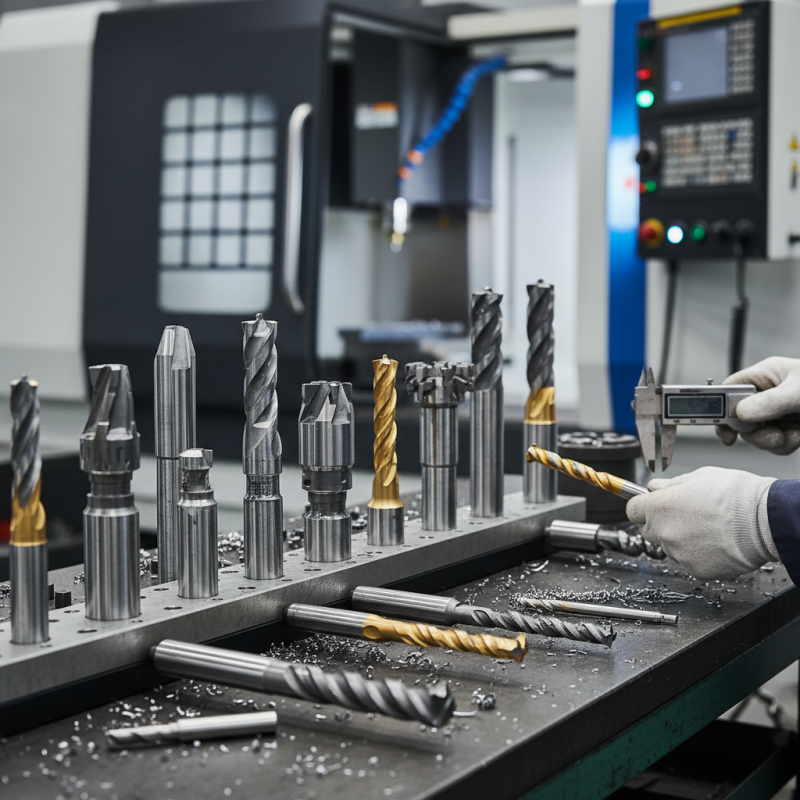
Understanding Precision Machining and Its Importance in Manufacturing
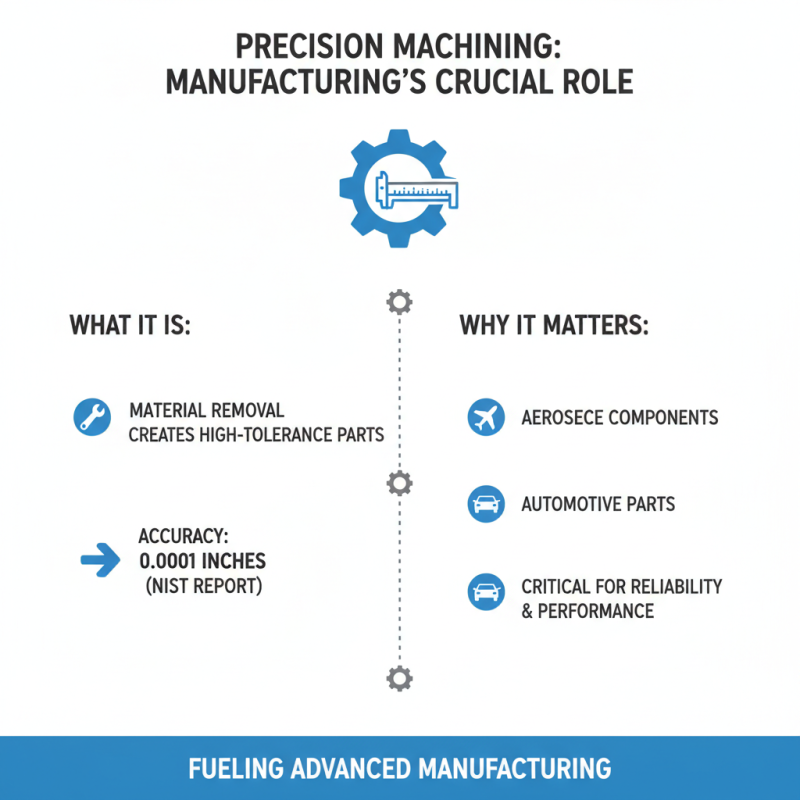
Precision machining plays a crucial role in the manufacturing industry. It involves removing material from a workpiece to create high-tolerance parts. According to a report by the National Institute of Standards and Technology (NIST), precision machining can achieve tolerances as tight as 0.0001 inches. This level of accuracy is essential for components used in industries such as aerospace and automotive.
In a competitive landscape, manufacturers often struggle with maintaining efficiency while ensuring quality. The data from the Manufacturing Technology report indicates that 30% of machining processes face issues related to precision. These challenges highlight the need for advanced milling tools designed for accuracy. Without the right tools, achieving optimal precision can be daunting. Manufacturers may experience higher rejection rates and increased costs.
The importance of precision machining cannot be understated. It supports innovation and ensures safety in products that rely on exact specifications. With advancements in technology, the ability to produce precise components has improved but not without setbacks. Regularly assessing tool performance and machining methods is vital. It allows manufacturers to adapt and refine their processes. This commitment to quality drives the industry forward, fostering both reliability and excellence.
Key Characteristics of Top Milling Tools in Precision Machining
Milling tools are essential for precision machining in the manufacturing industry. They execute intricate designs while ensuring high accuracy. The selection of these tools is critical for optimizing production efficiency.
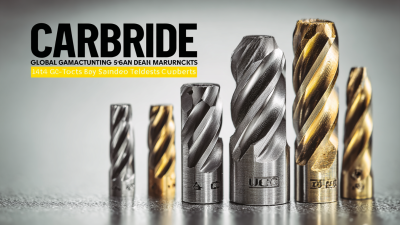
Key characteristics of top milling tools include material composition and design. High-speed steel (HSS) and carbide tools are favored for their hardness and durability. Each tool must resist wear and maintain sharpness, which extends its lifespan. Moreover, geometrical features like flutes and coatings affect chip removal and surface finish. Landscapes of milling tools showcase variations that can cater to specific tasks, requiring careful consideration.
Precision machining demands a balance between speed and accuracy. Each milling tool can wear differently based on the materials being cut and the machining conditions. Sometimes, the best choice may not deliver ideal performance. Understanding these nuances helps manufacturers select the right tools for their projects. Reflection on experiences can refine future decisions, leading to better outcomes in production quality.
Top Milling Tools for Precision Machining in Manufacturing Industry
| Tool Type |
Material |
Diameter (mm) |
Number of Flutes |
Coating Type |
Cooling Method |
| End Mill |
Carbide |
12 |
4 |
TiAlN |
Flood Cooling |
| Face Mill |
High-Speed Steel |
20 |
6 |
Nano Coating |
Dry Cutting |
| Ball Nose Mill |
Carbide |
10 |
2 |
ZrN |
Mist Cooling |
| Slot Drill |
Cobalt |
8 |
3 |
AlTiN |
Flood Cooling |
| Reamer |
Carbide |
6 |
4 |
TiN |
None |
Types of Milling Tools Used in the Manufacturing Industry
Milling tools play a vital role in the manufacturing industry. They are essential for precision machining. Understanding different types of milling tools can enhance production efficiency.
End mills are widely used for creating complex shapes. They can operate on various materials. Their fluted design allows for smooth cutting and efficient chip removal.
Face mills, on the other hand, are ideal for flat surfaces. These tools can produce a finely finished surface when used correctly. Additionally, ball-nose mills are perfect for 3D contouring. They can create intricate designs in an efficient manner.
Tips: Always select the right tool for specific tasks. Assess the material and desired finish before choosing. Maintaining tool sharpness is crucial. Dull tools may lead to poor quality and increased waste. Regularly inspect tools for wear and tear. This ensures consistent performance and longevity in operations.
Factors Influencing the Selection of Milling Tools for Precision Work
When selecting milling tools for precision machining, several factors come into play.
Material composition is crucial.
Harder materials often require specific tool types to maintain performance.
An improperly chosen tool may lead to premature wear or failure.
This compromises the quality of the finished part.
Tool geometry also significantly influences the machining process.
Different shapes affect chip removal and heat dissipation.
A tool with inadequate geometry may lead to poor surface finishes or excessive vibration.
Operators should understand the relationship between tool design and machining outcomes.
Lastly, machine compatibility cannot be overlooked.
The tool must match the machine's capabilities for optimal efficiency.
Mismatched tools can cause inefficiencies and even hazardous situations.
Regular assessments of tool performance and machining needs are vital.
These evaluations can reveal areas for improvement and adjustments in tool selection.
Best Practices for Maintaining Milling Tools for Optimal Performance
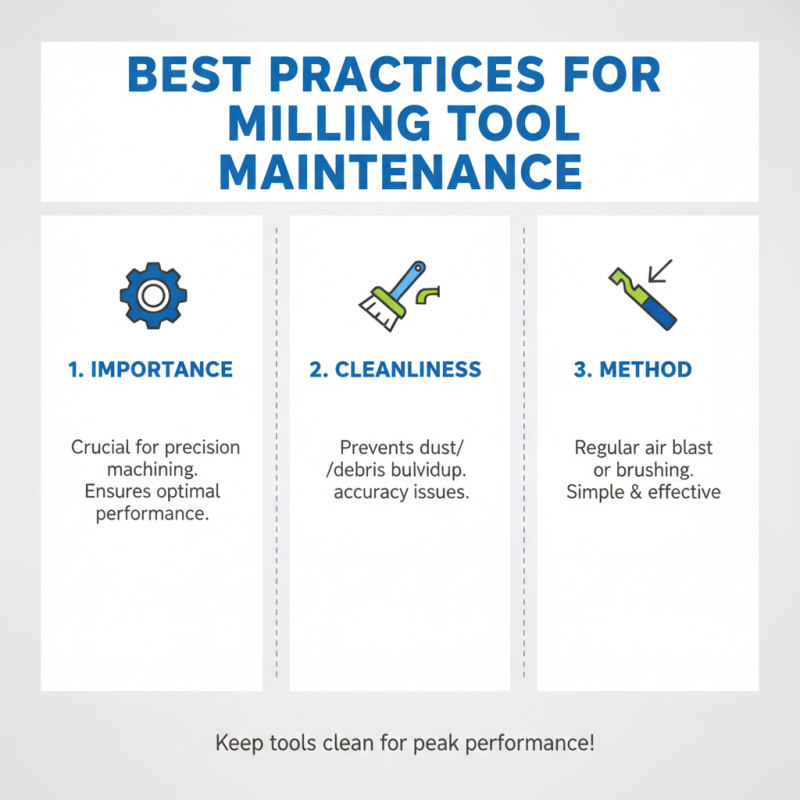
Milling tools are crucial for precision machining. To achieve optimal performance, regular maintenance is essential. Keeping tools clean can prevent dust and debris from impairing their function. Often, neglecting the cleaning process can lead to buildup that affects accuracy. A simple air blast or brush can make a significant difference here.
Another aspect to consider is tool sharpening. Dull tools can create poor-quality cuts and increase production costs. Regularly checking for sharpness helps in maintaining the integrity of both the tool and the workpiece. Additionally, using the proper feed rates helps prevent unnecessary wear. Many operators overlook this detail, assuming a higher feed rate equals more productivity. However, this can lead to tool damage.
Storing milling tools properly is equally important. Even minor damage from improper storage can affect performance. Using protective cases or racks can prevent unnecessary dings and scratches. Reflecting on these best practices can enhance tool longevity and performance significantly.
 Skip to content




 English
 Russian
  German
  Spanish
  French
  Portuguese