Top Packing Machines in China What Buyers Need to Know?
When considering the top Packing machines in China, buyers face many important decisions. These machines are crucial for industries ranging from food to pharmaceuticals. Understanding the specifications of a packing machine can greatly impact efficiency and product quality. Many manufacturers offer diverse options, but not all machines meet industry standards.
Buyers should prioritize reliability and performance when selecting a packing machine. Researching different brands and models is essential. User reviews and expert recommendations can provide insights into the machine’s real-world performance. However, every category of packing machine has its own strengths and weaknesses. It’s worth reflecting on what features truly matter for your specific needs.
While price is a significant factor, it should not be the only consideration. A cheaper machine may lack the durability or efficiency required for your production line. Investing in a high-quality packing machine often pays off in the long run. Proper maintenance and training on machine operation are also crucial for maximizing performance and minimizing issues.
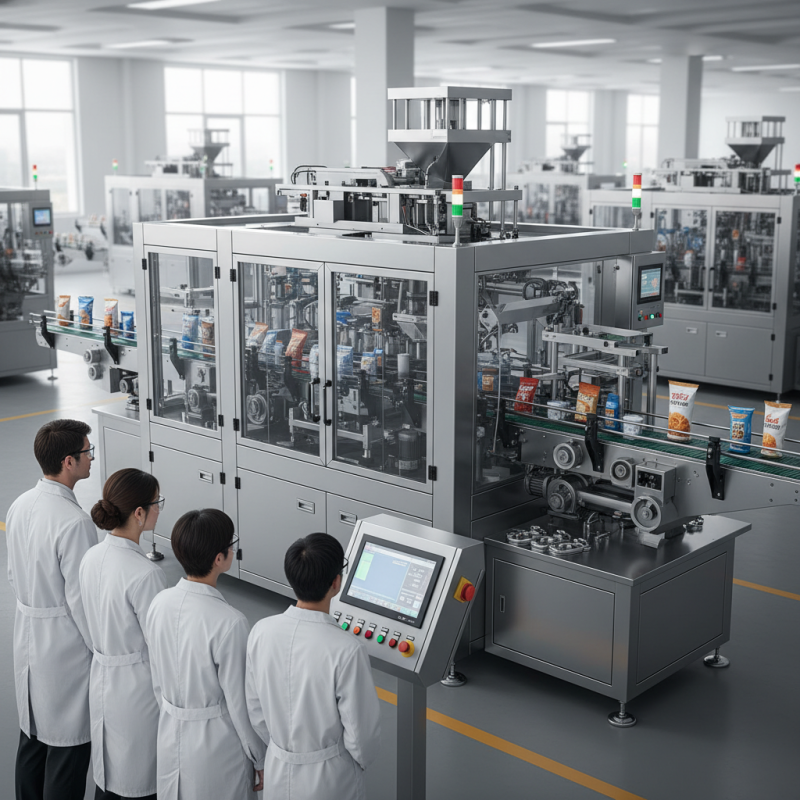
Top Packing Machines in China: An Overview of Market Trends
The packing machine market in China is seeing dynamic shifts. Recent reports indicate that the market reached a value of approximately $6 billion in 2022. This growth is fueled by increasing demand from sectors like food and beverage, pharmaceuticals, and personal care products. Innovations in automation and eco-friendly materials are shaping market trends.
A significant trend is the rise of smart packing machines. These advanced systems integrate IoT technology, allowing real-time monitoring. This enhances efficiency and reduces waste. However, as manufacturers adapt, issues like integration challenges arise. Companies must invest in digital training for staff to fully utilize these technologies.
Sustainability is another key trend. As consumers demand greener options, packing machines that use recyclable materials are crucial. Reports suggest that about 30% of companies are prioritizing sustainable practices. This shift may require upfront investments but can lead to long-term cost savings. The implications for the market are profound, and companies must navigate these trends carefully.
Key Features Buyers Should Look for in Packing Machines
When selecting a packing machine, it's essential to focus on features that enhance productivity and reliability. Speed is a crucial aspect. A machine with a higher packing speed can significantly reduce turnaround time. However, buyers must consider the balance between speed and quality. Faster machines may lead to more errors or product damage if not designed correctly.
Another key feature is versatility. Packing machines should accommodate various packaging materials and styles. Adjustable settings allow for easy changes between different product types. Buyers should examine this feature closely as it can prevent downtime caused by machine modifications or adjustments. Additionally, a user-friendly interface is vital for efficient operation. Complicated machines can lead to operational errors and increased training time.
Buyers need to evaluate the durability and maintenance needs of packing machines. A robust machine can handle long-term use without constant repairs. Maintenance accessibility is equally important. Machines requiring complex upkeep can lead to frustration and wasted time. Assessing these details will guide buyers to make informed decisions. Sometimes, impractical features might seem appealing initially but can lead to hindrances later. Balancing innovation with practicality remains a challenge in the packing machine selection process.
Popular Types of Packing Machines Available in China
In China, the packing machine industry is rapidly evolving. Understanding the popular types of packing machines can help potential buyers make informed decisions. Two primary categories stand out: automatic and semi-automatic machines. Automatic machines are highly efficient. They can handle large volumes, reaching speeds of over 200 packs per minute. Semi-automatic machines offer flexibility. They are ideal for smaller operations that need to balance cost and efficiency.
A recent industry report highlighted a notable trend. Over 50% of businesses are now investing in smart packing technology. This includes machines equipped with IoT capabilities. These advancements allow for real-time monitoring and data collection. However, not all companies have adapted well. Some struggle with integration challenges, leading to underutilization of their technology.
Quality control remains a significant concern. A study found that approximately 30% of packing machine failures arise from poor maintenance practices. Ensuring regular upkeep can mitigate risks. Buyers should also consider the training needs of their staff. Investing in employee training can enhance machine performance and prolong lifespan. Understanding these factors can lead to better purchasing decisions.
Top Manufacturers of Packing Machines in China and Their Offerings
When considering packing machines in China, understanding the key manufacturers is crucial. Many companies specialize in different types of packing machines, catering to various industries. They offer solutions such as automatic and semi-automatic machines, which can impact production efficiency. Buyers should be aware of technological advancements these manufacturers incorporate. Features such as user-friendly interfaces and energy efficiency play a significant role in the decision-making process.
The offerings vary widely among manufacturers. Some focus on food packaging, while others excel in industrial or pharmaceutical sectors. It’s essential to evaluate the reliability of the machinery. Look for machines that have been tested under harsh conditions. While many suppliers claim their equipment is durable, real-world performance may differ. Therefore, examining customer reviews and seeking firsthand user experiences can be beneficial.
Prioritizing service and support is another aspect to consider. Manufacturers with a solid support system often provide better maintenance services. It’s not just about purchasing a machine; it's about having reliable assistance post-purchase. Communication barriers can be significant when dealing with foreign manufacturers. Engaging with local representatives may alleviate some of these concerns, leading to a smoother buying process.
Factors Influencing the Pricing of Packing Machines in the Chinese Market
When exploring the Chinese packing machine market, pricing is influenced by various factors. Quality, technology, and production capacity significantly impact costs. Manufacturers often use different materials, which can change the price point. Advanced machines with automation and smart features generally come at a higher rate. Simplicity might save money but could limit efficiency.
Tips: Always request samples before making a purchase. This helps assess quality firsthand. Additionally, consider future scalability. A small machine might suffice now, but what about later?
The intricacies of shipping also play a role. Import taxes and shipping fees can inflate the total expenditure. Buyers should calculate these costs early in their decision-making process. Besides, location within China may affect the final price due to regional factors.
Tips: Research potential suppliers thoroughly. Check reviews and previous customer experiences. This builds trust and informs better choices. Establish clear communication to avoid misunderstandings.
Top Packing Machines in China - Factors Influencing the Pricing of Packing Machines in the Chinese Market
| Feature | Value |
| Type of Packing Machine | VFFS (Vertical Form-Fill-Seal) |
| Average Price Range | $5,000 - $50,000 |
| Material Used | Stainless Steel |
| Production Speed | 30-120 bags/min |
| Control System | PLC with Touchscreen |
| Wattage | 2-5 kW |
| Size (L x W x H) | 2000 x 800 x 2000 mm |
| Maintenance Frequency | Every 6 months |
| Warranty | 1-2 years |
 Skip to content


 English
 Russian
  German
  Spanish
  French
  Portuguese