Top 10 Quick Connect Couplers for Global Buyers?
Selecting a Quick Connect Coupler for international applications involves more than matching thread size. Buyers must consider working pressure, flow capacity, connection style, seal material, and the conditions surrounding the equipment. A coupler that performs well on a clean factory line may behave differently in a dusty workshop or beside vibrating machinery. Small details matter.
Engineering author and engineer Henry Petroski wrote, “Engineering is the art of making what you want from things you can get.” That principle suits coupler selection: practical performance depends on the parts, service conditions, and supply options available. It is not a product-specific recommendation. This guide compares ten options through buyer-focused criteria, including connection and disconnection effort, leakage control, durability, maintenance needs, and access to replacement parts. Compatibility should be confirmed with the equipment manufacturer; similar-looking fittings are not always interchangeable.
Fit matters. So does support.
Global buyers also face uneven product documentation, lead times, and local service coverage. A low purchase price can become a costly choice if seals are difficult to source or installation requires unplanned adapters. No single model is ideal for every machine. This overview helps readers narrow the field, identify trade-offs, and ask better questions before requesting a quotation. Use it as a starting point, then verify specifications against the actual system. Real operating conditions can expose assumptions that a product sheet cannot.
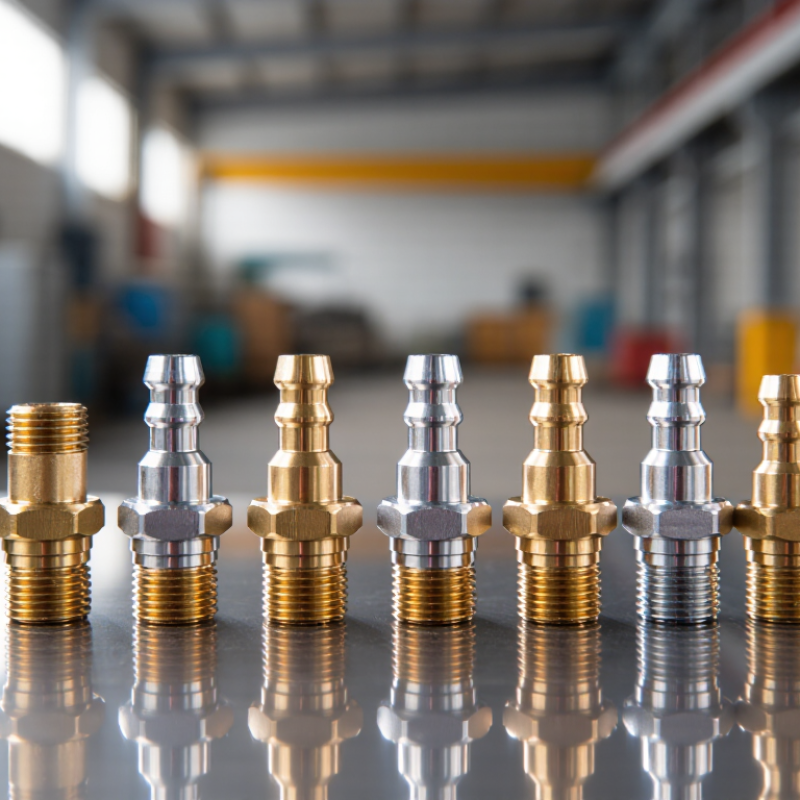
Quick Connect Couplers: Definition and Basic Operating Principles
A quick connect coupler is a fitting that lets two fluid or air lines join and separate quickly, often without tools. It usually has a socket, a matching plug, and a locking mechanism. Many couplers also contain spring-loaded valves that close when disconnected, limiting fluid loss or air escape. In use, the plug enters the socket, and a sleeve or locking balls hold it in place. Internal valves then open to allow flow. In many designs, connection and valve opening happen together. But not every coupler works this way. That distinction matters.
Flow depends on the coupler’s size, internal passage, and pressure rating, so matching parts by appearance alone is unreliable. Disconnecting often means pulling back a sleeve, but trapped pressure can make separation difficult or unsafe. Check the equipment instructions and relieve pressure when required. Keep mating faces clean; a grain of grit can damage a seal and cause a slow leak.
Real installations are less tidy than diagrams. Not magic. A coupler may also restrict flow compared with an uninterrupted hose, especially if its passage is narrow. Choosing one means checking the fluid, temperature, working pressure, and connection type against the intended setup.
Common Coupler Types, Materials, and Connection Standards
Quick-connect couplers differ in how they seal and handle connection. Flat-face designs limit fluid loss and make cleanup easier. Ball-valve couplers are common in hydraulic circuits, while push-to-connect styles suit frequent tool changes. Screw-to-connect versions can resist vibration, but they take longer to attach. Small differences matter.
Body material affects weight, corrosion resistance, and service life. Plated steel handles many demanding hydraulic applications; stainless steel may suit wet or corrosive environments. Aluminum is lighter, though it is not the right choice for every pressure level. Seal material matters too: check fluid, temperature, and pressure compatibility before selecting a coupler. A familiar fit is not enough.
Connection standards help buyers compare designs. ISO 16028 covers flat-face hydraulic couplings, while ISO 7241 includes other hydraulic quick-coupling series. Verify the exact series, size, pressure rating, and thread form; standards do not make every coupling interchangeable. Inspect the mating parts and confirm the equipment manufacturer’s requirements. Even a careful specification can miss a detail, especially when older hoses are involved. Be cautious.
How to Compare the Top 10 Options for Global Buyers
Compare the ten couplers against the same operating conditions, not just their catalog descriptions. Record working pressure, flow capacity, temperature range, connection size, and sealing material. Fit comes first. A plug that looks close may still use a different interchange profile, so check drawings and dimensions before ordering.
The options may include flat-face, poppet-style, screw-to-connect, push-pull, and high-flow designs. Each suits different priorities. Flat-face couplers can limit fluid loss during connection, while screw-to-connect designs can resist separation under vibration. Check pressure drop at the flow rate your equipment actually needs. Bigger is not always better. A large passage may add weight or require costly hose changes.
For buyers sourcing across regions, confirm thread type, measurement units, materials, and available test records. Ask for rated-pressure data and seal compatibility with the actual fluid and temperature. A comparison table can look neat, yet real installations are not. I have seen buyers focus on unit price and overlook dust exposure or awkward access for gloved hands. Request samples when practical, then test connection force and leakage on the intended equipment. Supply consistency matters too; written specifications help prevent unnoticed changes between batches.
Key Factors for Choosing Couplers Across Markets and Applications
For global buyers, coupler selection starts with the job, not the catalogue photo. Identify the fluid, operating pressure, flow rate, and connection type. A washdown hose may need corrosion-resistant materials and easy cleaning. A hydraulic line needs pressure ratings suited to real operating peaks, not just normal readings. Temperature matters too. Heat can harden some seals, while cold can make them less flexible. Small mismatches matter. Check seal materials against the fluid and expected temperature range. Confirm the connection profile and dimensions; similar-looking couplers are not always interchangeable. A coupler can click into place and still leak under vibration.
Across markets, drawings, thread descriptions, and test documents may use different conventions. Ask suppliers for dimensional drawings, working-pressure data, and clear maintenance instructions. Check whether the stated rating applies to the full assembly, including the plug and socket. If equipment moves between sites, confirm that replacement parts will remain available locally. Keep samples for a hands-on fit check when practical. It is not a substitute for testing, but it can reveal awkward locking sleeves or poor access with gloves. There is no perfect shortlist. Product data can also leave out real-world details, so compare specifications with the actual hose, tool, and working conditions before ordering.
Installation, Safety Checks, and Routine Maintenance
A quick connect coupler is only reliable when its size, pressure rating, and fluid compatibility match the equipment. Before installation, compare the coupler markings with the hose and system specifications. Shut down the equipment and release trapped pressure; a line can remain pressurized even when the machine is off. Keep the connection faces clean. A grain of grit can damage a seal or prevent full engagement. Push the fittings together until the locking mechanism seats, then give the hose a gentle pull to confirm the connection holds. Never force mismatched fittings. They may seem to connect, then leak under load.
Safety checks should include a visual inspection for cracks, corrosion, worn seals, and distorted locking sleeves. Stand clear of the connection during a low-pressure test, and watch for fluid seepage or unexpected movement. Stop the system if anything feels loose. Routine maintenance is simple but easy to postpone: wipe couplers after use, replace damaged seals with compatible parts, and keep protective caps on disconnected ends. Record recurring leaks or difficult connections; they can point to pressure spikes, contamination, or a worn mating half. Honestly, not every fault is visible from outside, so follow the equipment maker’s inspection interval and replace doubtful components rather than guessing. A brief check before each shift can prevent a small leak from becoming a messy interruption.
Quick Connect Couplers: Example Routine Maintenance Schedule
Illustrative planning intervals for common inspection tasks, shown as days between checks. Inspect couplers before use, and follow the coupler manufacturer’s instructions and applicable site requirements for task-specific intervals.
 Skip to content



 English
 Russian
 German
 Spanish
 French
 Portuguese