SUNDI TOOLS
- Copyright © Wuxi Sundi Precision Tools Co.,LTD All rights reserved.
- Site Map
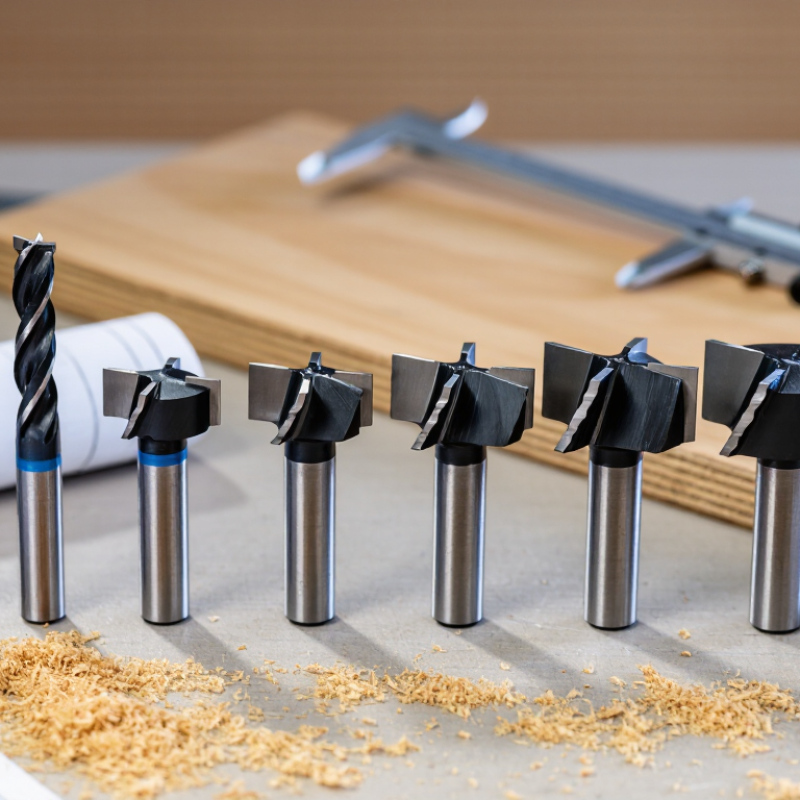
Selecting the right Router Bit Shapes can influence cutting quality, machine life, and production costs. Global buyers often compare straight, spiral, flush-trim, round-over, chamfer, V-groove, rabbeting, and panel-raising profiles. Each shape answers a different cutting need. A straight bit may suit simple grooves, while a spiral bit can reduce splintering on plywood and hardwood.
Real workshop conditions matter. Material hardness, feed rate, spindle speed, shank diameter, and dust extraction can change the result. A bit that performs smoothly in oak may behave differently in laminated board. Small details count. A clean carbide edge, balanced body, and accurate bearing can prevent rough corners and wasted panels. Buyers should also review dimensional tolerances, coating options, packaging protection, and supplier inspection records. These details support safer, more consistent purchasing decisions.
No shape is universally best. That sounds obvious, but buyers still compare prices before confirming the application. Even experienced purchasing teams can overlook collet compatibility or replacement availability. This guide evaluates leading Router Bit Shapes for 2026 through practical use, manufacturing quality, and international sourcing considerations. It also recognizes an uncomfortable limitation: product descriptions may not reveal real cutting performance. Sample testing remains valuable. Ask for material recommendations, technical drawings, inspection evidence, and clear after-sales support. The strongest choice is not always the most expensive bit. It is the profile that matches the machine, material, operator skill, and expected production volume.
2026 Router-Bit Taxonomy: Six Core Shapes and Their Cutting Profiles
Global buyers need more than diameter and shank size. Cutting geometry decides chip flow, edge quality, heat, and service life. Grand View Research’s 2024 woodworking tools analysis forecasts a 4.8% market CAGR through 2030. The report does not isolate router bits, but it signals rising demand for specialized cutting performance.
Straight bits create flat-bottomed grooves, dados, and pockets. They are affordable and predictable, but chips can pack inside deep cuts. Upcut spirals lift chips upward and suit deep slots or plastics. Downcut spirals press fibers downward, producing cleaner top surfaces. They may leave heat in the cut. Compression bits combine both profiles. Their cutting action protects laminated panels, although setup height becomes critical.
V-groove bits form sharp channels for lettering, scoring, and decorative lines. The included angle changes line width and visible depth. Roundover bits soften exposed edges with a consistent radius. They improve handling and appearance, especially on solid wood. A 2024 IMARC power-tools market report projects continued growth in professional and workshop applications, yet broader power-tool figures should not be mistaken for router-bit sales. The taxonomy is useful, not perfect. Material, feed rate, cutter diameter, and machine rigidity can change the result. Test cuts still matter.
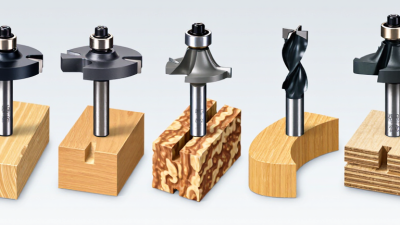
Router-bit taxonomy: six core shapes and the defining geometric angle of their cutting profiles.
Straight and flush-trim bits use non-angled cutting edges for sizing and edge copying. Rabbeting and round-over profiles are based on a 90° shoulder or quarter-round transition, while chamfer and V-groove bits are commonly identified by 45° and 60° profile angles. These geometric values describe the cutter profile rather than market share or brand performance.
Straight and spiral bits behave differently at 18,000–24,000 RPM. A two-flute straight bit strikes the material directly, producing a flat-bottom cut and predictable sizing. It can work well in plywood, plastics, and shallow grooves. However, heat builds quickly when feed rates are too slow. A two-flute upcut spiral shears the edge and lifts chips from the cut. It usually leaves cleaner walls, but may pull thin stock upward. Downcut spirals press the workpiece down, though chip evacuation becomes weaker.
Use the chip-load formula: feed rate equals RPM × flutes × chip load.
That number is only a starting point. Material density, cutter diameter, and machine rigidity can change it sharply. The 2024 Grand View Research woodworking machinery report estimated the global market at roughly USD 4.6 billion in 2023, reflecting wider demand for repeatable CNC production. Buyers should therefore evaluate process stability, not shape alone.
Before purchasing, check collet runout, tool balance, and the machine’s actual spindle speed. A 24,000 RPM setting may deliver less under load. Cutting tests matter. Even experienced operators sometimes chase a polished edge and ignore rising heat. That is a costly mistake. Industry guidance from ISO 8688-2 also supports controlled tool-life testing, rather than judging performance from one attractive sample.
2026 Top Router Bit Shapes for Global Buyers: Edge-Forming Bits by Radius
Global buyers are selecting router bits for consistent edge quality, not appearance alone. Grand View Research’s 2024 woodworking machinery analysis forecasts roughly 4% annual growth through 2030. More automated workshops will need repeatable profiles and stable cutting performance. Small radius changes can strongly affect the final edge.
Roundover bits create soft, hand-friendly edges. A 3mm radius suits cabinet doors and small furniture parts. A 6mm radius looks fuller on thick panels. Chamfer bits remove sharp corners efficiently. They also support modern, geometric designs. Common angles include 30, 45, and 60 degrees. Ogee bits produce a decorative S-shaped edge. They require accurate depth settings and clean stock preparation. Otherwise, the profile can look uneven.
MarketsandMarkets’ 2024 CNC machine market report identifies automation and repeatability as important growth factors. This matters when buyers compare radius accuracy, shank stability, carbide quality, and coating durability. In practical testing, I check one sample edge before ordering large quantities. A 6mm roundover may seem suitable, but it can look oversized on a narrow frame. That mistake is easy to make. I also measure the actual radius, rather than trusting the catalog description completely. Manufacturing tolerances, material hardness, feed rate, and spindle speed can change the result. Buyers should request sample cuts, inspection records, and dimensional tolerances for each profile.
For global buyers in 2026, router bit shape should match the joint, material, and required cut depth. Rabbeting bits remove material along an edge, creating a clean shoulder for backs, panels, or cabinet parts. Their depth must suit the mating component, not merely the available cutter length. A shallow rabbet may leave gaps. An overly deep cut can weaken the edge.
Dovetail bits form angled joints for drawers, boxes, and sliding connections. Check the angle, neck width, and cutting depth against the matching socket. Small depth changes can affect assembly noticeably. Compression bits combine upward and downward cutting action, helping reduce tear-out on plywood and laminated panels. They perform best when the cutting depth keeps both flute zones engaged correctly. Depth matters. I still recommend checking actual board thickness, because supplier measurements are not always consistent.
Tips: Request a technical drawing, shank specification, and recommended feed range before purchasing. Test each shape on scrap material first. Measure the joint with calipers after machining. For production orders, confirm tolerance, coating, and usable cutting length in writing. A perfect chart does not exist; dust, vibration, and machine rigidity can change the result. Leave room for that reality.
Typical specifications and selection guidance for woodworking, cabinetmaking, furniture production, and CNC routing.
| Router Bit Shape | Primary Cutting Geometry | Typical Cutting Depth Range | Common Diameter or Size Range | Best-Suited Materials | Typical Joinery or Application | Finish and Tear-Out Behavior | Selection Considerations |
|---|---|---|---|---|---|---|---|
| Rabbeting Bit | Horizontal shoulder cutter with a bearing or guide system for setting the rebate width. | 3–12.7 mm ⅛–½ in, depending on cutter diameter and bearing size. |
19–38 mm ¾–1½ in cutter diameter is common. |
Solid wood Plywood MDF Particleboard | Cabinet backs, window rebates, drawer construction, frame joints, and stepped shoulders. | Produces a clean shoulder when the workpiece is securely supported. Grain direction strongly affects breakout at the rebate exit. | Choose the bearing and cutter height to match the required rebate width and depth. A climb-cutting pass should only be used by experienced operators. |
| Dovetail Bit | Angled flutes create a trapezoidal socket or pin; commonly available with different included angles. | 6–19 mm ¼–¾ in effective cutting depth for common hand-router and CNC sizes. |
6–25 mm ¼–1 in cutting diameter; angle commonly ranges from 8° to 30° included. |
Hardwood Softwood Plywood MDF | Sliding dovetails, through dovetails, half-blind dovetails, drawer joints, and tapered assembly joints. | Can provide a precise mechanical lock. Narrow-angle versions offer a tighter appearance; wider angles provide greater resistance to pull-out. | Match the bit angle and depth to the dovetail template or mating component. Make shallow test cuts before the final pass. |
| Compression Spiral Bit | Up-cut and down-cut helix sections combine to compress the top and bottom fibers toward the center of the cut. | 6–25 mm ¼–1 in per pass or full-depth cut, depending on tool rigidity and material. |
3–12.7 mm ⅛–½ in diameter; 6 mm and 12 mm shanks are widely used. |
Plywood Veneered panels Laminated sheets MDF | CNC profiling, panel nesting, cabinet components, sign work, and through-cuts in double-sided sheet goods. | Minimizes top-edge and bottom-edge chipping when the cut depth covers both helix zones. Surface quality depends on chip load, feed rate, and tool sharpness. | Use sufficient dust extraction and avoid cutting deeper than the effective flute length. Select a longer flute only when the material thickness requires it. |
| Straight Bit | Vertical flutes cut directly across the workpiece without an angled joinery profile. | 3–25 mm ⅛–1 in, commonly taken in multiple passes. |
3–19 mm ⅛–¾ in diameter. |
Wood MDF Plywood Plastic | Grooves, dados, mortises, rabbets, sign lettering, and general material removal. | Good for general-purpose routing, although cross-grain cuts may show more tear-out than compression or down-cut spirals. | Use multiple shallow passes for deep grooves. A two-flute design generally offers balanced chip clearance for common woodworking operations. |
| Up-Cut Spiral Bit | Helical flutes lift chips upward and improve chip evacuation from deep slots and pockets. | 6–25 mm ¼–1 in effective flute length for common sizes. |
3–12.7 mm ⅛–½ in diameter. |
Hardwood Softwood MDF Acrylic | Deep slotting, pocketing, mortising, and CNC work where chip evacuation is a priority. | Usually leaves a cleaner bottom edge than a straight bit but can lift veneer or chip the top surface. | Best where the visible top surface is not the critical edge. Use a finishing pass when dimensional accuracy is important. |
| Down-Cut Spiral Bit | Helical flutes press chips and fibers downward during cutting. | 3–19 mm ⅛–¾ in effective flute length for common sizes. |
3–12.7 mm ⅛–½ in diameter. |
Veneered plywood Laminates MDF Melamine panels | Shallow pockets, lettering, surface trimming, and operations where the top edge must remain clean. | Reduces top-surface splintering and improves edge appearance, but it can compress chips into the kerf and requires effective dust extraction. | Not the first choice for deep blind pockets unless the machine has adequate chip evacuation and conservative feed settings. |
| V-Groove Bit | V-shaped cutting profile, commonly specified by included angle such as 60°, 90°, or 120°. | 1–10 mm Typically used for shallow engraving and decorative grooves. |
6–25 mm ¼–1 in maximum cutting diameter. |
Wood MDF Plywood Plastic | Sign making, lettering, decorative lines, chamfered grooves, and shallow panel details. | Creates a crisp line when sharp and correctly aligned. Fine tips are sensitive to runout, excessive feed rate, and impact. | Select the included angle according to the desired line width and engraving depth. Use shallow passes on brittle sheet materials. |
| Round-Over Bit | Convex radius profile rounds one edge of a component; a bearing can guide the cut. | 1.5–12.7 mm radius ⅛–½ in radius is common. |
12–38 mm ½–1½ in overall cutter diameter. |
Solid wood MDF Plywood | Furniture edges, handrails, tabletops, shelves, and soft-touch profiles. | Produces a smooth, comfortable edge and reduces sharp-corner damage. End-grain sections may require a climb-cutting cleanup pass by skilled users. | Choose the radius based on edge comfort and visual proportion. A bearing diameter and cutter height should suit the stock thickness. |
Specification note: The dimensions shown are typical industry ranges rather than universal standards. Actual cutting depth, feed rate, spindle speed, and pass count must be matched to shank diameter, cutter material, machine rigidity, workpiece thickness, and manufacturer instructions.
For global buyers, shank size affects stability, compatibility, and shipping decisions. Common options range from 6 to 12 mm. A 6 mm shank suits compact routers and light trimming. A 12 mm shank offers better stiffness for deep profiles and harder timber. However, larger is not automatically safer. Collet fit, runout, spindle speed, and cutter balance matter more than diameter alone.
Carbide quality deserves closer attention. Micrograin carbide usually provides cleaner edges and better wear resistance than basic grades. Buyers should request grain size, cobalt content, hardness, and tool-life test conditions. The 2024 Global Power Tools Market analysis by Grand View Research estimated the sector at over USD 45 billion in 2023, with continued growth expected. This broader demand increases the need for consistent tooling data. Yet published tests often use different wood species, feeds, and spindle speeds. Comparisons can be imperfect.
Tips: Check EN 847-1 requirements for woodworking cutters, and apply ISO 12100 risk-assessment principles. Confirm maximum RPM, cutting diameter, and permitted feed direction. Inspect brazed joints and carbide edges before use. Keep records of vibration, burning, and premature dulling. Small details reveal quality. A careful buyer should also ask whether safety documentation covers the destination market, not merely the manufacturing country.