Top 10 Tips for Buying Hydraulic Hoses for Sale Online
In the ever-evolving world of industrial solutions, hydraulic hoses play a crucial role. A recent report by the National Fluid Power Association highlights that the market for hydraulic hoses is projected to grow significantly. This growth is driven by the increasing demand for fluid power systems in construction and manufacturing. As businesses seek to find the best "hydraulic hose for sale," understanding how to make informed purchasing decisions is essential.
Buying hydraulic hoses online can sometimes feel overwhelming. With countless options available, it’s easy to make mistakes. In fact, the right hose can enhance efficiency and safety, while the wrong one can lead to costly failures. Many buyers overlook key specifications, leading to regretful purchases. For instance, ensuring compatibility with systems and checking for certifications can save headaches later on.
Customers should take note of what they really need. Prices vary widely, but a lower cost does not always mean a good deal. Investing time in research pays off in the long run. As we navigate this market, let’s consider the details carefully to find the best hydraulic hose for sale, suitable for our unique applications.
Key Considerations When Choosing Hydraulic Hoses Online
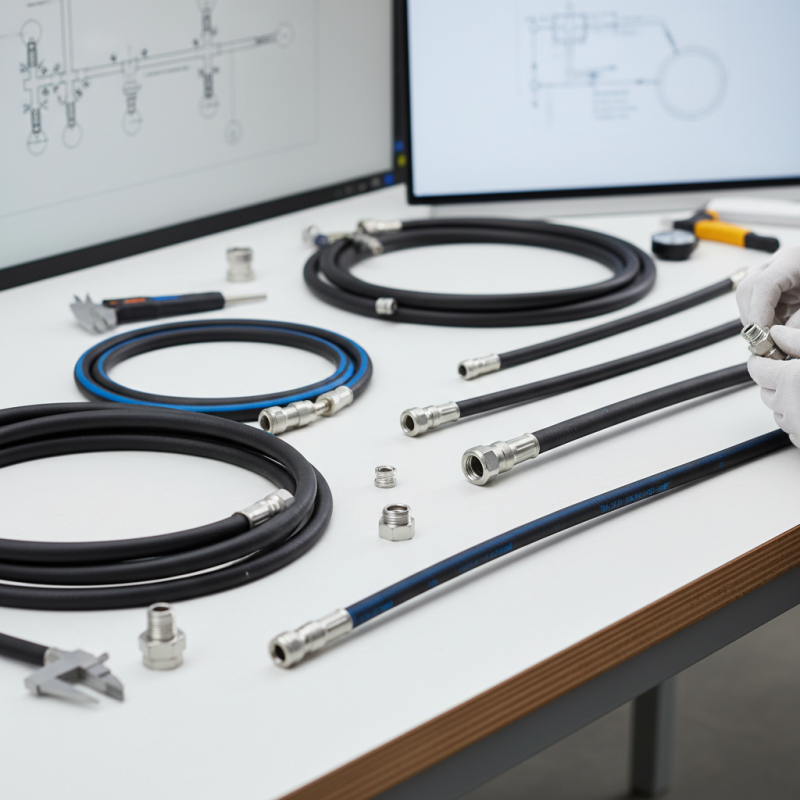
When choosing hydraulic hoses online, several key factors matter. Material quality is crucial; it impacts durability and performance. Check specifications carefully. Different applications require different materials. Rubber hoses may work for some jobs but not for others. Look for detailed descriptions. The flexibility of hoses is another factor. More flexible hoses are easier to install and manage.
Size and compatibility are vital aspects too. Ensure the hose fits your equipment perfectly. A poorly sized hose can lead to leaks or failures. Examine connectors and fittings as well. They need to match your setup tightly. Misfitting connections can cause significant issues.
Lastly, consider the supplier's reputation. While many online options exist, not all are trustworthy. Read reviews and feedback from past customers. Remember, your choice impacts not just the current project, but future ones too. Look for those pitfalls before making a final decision.
Understanding Hydraulic Hose Specifications and Standards
When navigating the world of hydraulic hoses, understanding specifications and standards is crucial. These hoses are essential for various industrial applications. They come in different sizes and materials, depending on their use. Pay attention to pressure ratings and temperature limits. Always ensure the hose can withstand the demands of your project.
Consider your requirements carefully. Evaluate the environment where the hose will be used. Will it face harsh weather or chemicals? Select a hose that meets these challenges. Check the fittings and connections as well. They must match for optimal performance and safety.
Tip: Compare multiple suppliers when buying online. Look for detailed specifications in their product descriptions. Sometimes, manufacturers use vague terms that can lead to confusion. Don’t hesitate to ask questions if the information isn't clear.
Also, keep in mind the importance of standard certifications. Look for hoses that are compliant with industry standards. This ensures safety and reliability. A certified hose guarantees it has been tested for quality. And remember, even small mistakes in selection can lead to significant issues later. Make thoughtful decisions when purchasing.
Evaluating Quality and Brand Reputation for Hydraulic Hoses
When buying hydraulic hoses online, quality and brand reputation are crucial. A study by the Hydraulic Institute indicates that improper hose quality can lead to equipment failures and costly downtime. Brands with a strong reputation often invest in rigorous testing and certifications. These factors contribute to their reliability and longevity, reducing the risk of hydraulic failure.
Look for products that meet industry standards. For instance, hoses should comply with ISO 18752 or SAE 100R specifications. Quality checks are essential, as data shows that 30% of prematurely failed hoses stem from subpar materials and manufacturing practices. User reviews can provide insights into real-world performance. They can reveal common issues or advantages.
Consider the materials used in the hose construction. Steel braiding, for instance, enhances durability but may not suit all applications. Sometimes, sellers provide vague details about their products. This lack of information raises concerns. A well-defined product description can often indicate a trustworthy brand. Always evaluate user-generated content for additional perspectives. This approach may uncover hidden flaws in what appears to be a solid choice.
Comparing Prices and Purchase Options from Various Suppliers
When shopping for hydraulic hoses online, comparing prices from various suppliers is crucial. Start by gathering several quotes from different sources. Some websites offer detailed lists of specifications. Look for prices on hoses that meet your requirements. This will give you a clearer idea of overall costs.
Take note of shipping fees. They can vary significantly between suppliers. Sometimes, a cheaper hose may have higher shipping costs. Add everything together to see the true price. Pay attention to return policies as well. A flexible return option can save you much trouble later.
Look out for hidden fees. Some suppliers may add charges at checkout. Keep an eye on the specification details. Sometimes, product descriptions can be vague. They may not always reflect the actual quality. Taking the time to review each option will help you avoid potential pitfalls.
Tips for Ensuring Proper Fit and Compatibility for Your Equipment
When purchasing hydraulic hoses online, ensuring proper fit and compatibility is crucial. A wrong size can lead to leaks or failure. Check the specifications of your original equipment guide first. This will help you determine the right diameter and length.
Measure the existing hoses carefully. Take note of the inner and outer diameters. Don’t forget the connection types; they vary across different machinery. Sometimes, sellers provide a universal size guide. Use it wisely, but always confirm with your own measurements.
If you have doubts, seek advice from professionals. Online forums can be helpful. Sometimes the advice there might not be perfect, so weigh it against your observations. Compatibility includes understanding the materials used.
Ensure they can withstand your equipment’s operating conditions. It's better to get it right than to face costly replacements later. Take your time.
 Skip to content

 English
 Russian
  German
  Spanish
  French
  Portuguese